How do I find reputable English-speaking architects and builders for a custom villa project on a plot in Caesarea?
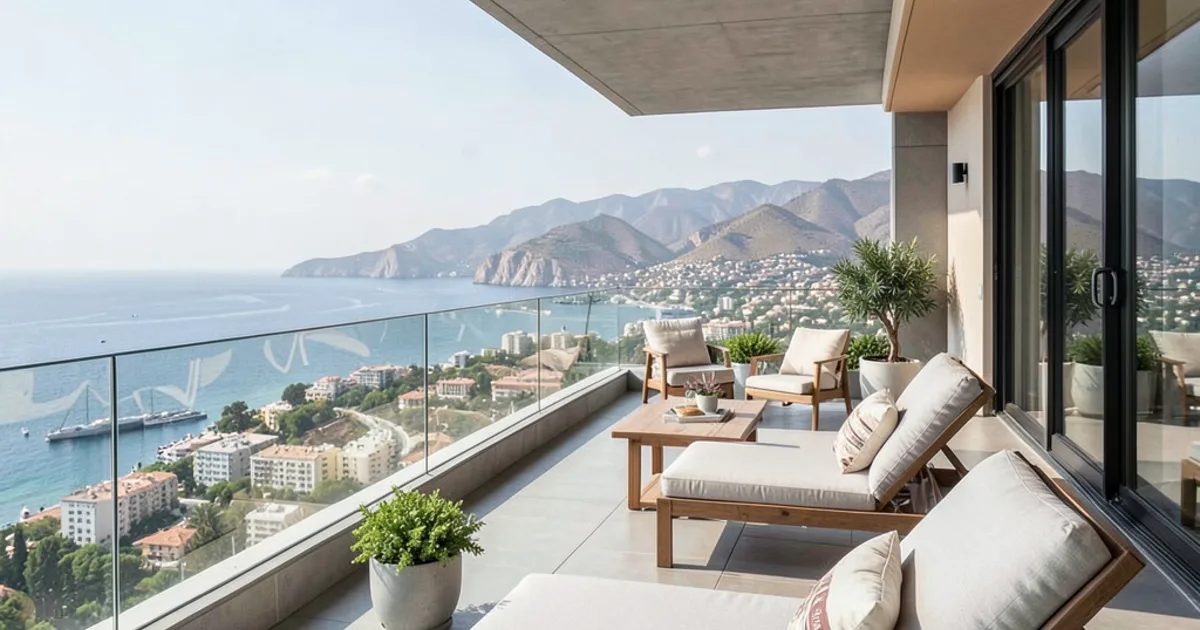
Caesarea, Israel's jewel on the Mediterranean, offers an unparalleled lifestyle, and for many, the ultimate dream is to construct a bespoke villa on a prime plot of land. This ambitious endeavor, especially for those new to the Israeli market or primarily English-speaking, necessitates a meticulous approach to selecting the right professionals. Finding reputable English-speaking architects and builders who understand both your vision and the intricacies of local construction practices is paramount to a successful and stress-free project.
- Understanding the Unique Landscape of Building in Caesarea
- Defining Your Vision: The Crucial First Step
- Leveraging Local Networks and Online Resources
- The Interview Process: Questions to Ask Potential Professionals
- Verifying Credentials and References
- Understanding the Israeli Regulatory and Legal Framework
- The Importance of Clear Contracts and Communication
- Budget Management and Financial Transparency
- Navigating Material Selection and Local Sourcing
- Project Management and Site Supervision
- The Final Stages: Handover and Post-Construction
Understanding the Unique Landscape of Building in Caesarea
Caesarea is not just any location; it's a meticulously planned community with specific architectural guidelines and a distinct historical context. The Caesarea Development Corporation (CDC) plays a significant role in regulating development, ensuring that new constructions adhere to aesthetic standards that preserve the area's unique character. This means that architects and builders operating here must possess not only general construction expertise but also a deep familiarity with these local nuances, including zoning laws, material restrictions, and design philosophies specific to Caesarea.
Beyond the aesthetic and regulatory aspects, the Israeli construction industry has its own rhythm and practices that can differ significantly from other parts of the world. Understanding the typical project phases, the roles of various trades, and the common contractual frameworks is essential. An architect or builder fluent in English who also possesses this local knowledge acts as an invaluable bridge, translating not just language but also cultural and professional expectations, ensuring your project progresses smoothly and meets local compliance.
The demand for high-quality construction in Caesarea means that experienced professionals are highly sought after. Identifying those who have a proven track record within this specific community, ideally with multiple completed projects that align with your aesthetic and quality expectations, is a crucial first step. Their experience navigating the CDC's approval processes and working with local suppliers and subcontractors will be a significant asset, potentially saving both time and unforeseen complications.
Defining Your Vision: The Crucial First Step
Before even beginning the search for professionals, it is imperative to crystallize your vision for the custom villa. This involves more than just a general idea; it requires a detailed exploration of your lifestyle, aesthetic preferences, functional needs, and budgetary parameters. Consider the number of bedrooms, desired amenities like a pool or home office, the overall architectural style, and the flow of spaces that will best suit your family's daily life. This clarity will serve as your guiding star throughout the entire design and construction process.
Developing a comprehensive brief for your potential architects is incredibly beneficial. This document should outline your expectations, inspirations, and non-negotiables. Include examples of architectural styles you admire, materials you prefer, and any specific technologies or sustainable features you wish to incorporate. The more detailed your brief, the better an architect can understand your desires and determine if their design philosophy aligns with your aspirations, leading to a more accurate initial proposal.
Furthermore, establish a realistic budget range for both the land purchase and the construction itself. While precise figures are difficult to ascertain at the outset, having a clear understanding of your financial boundaries will help filter out professionals whose services or proposed designs fall outside your comfortable spending limits. Reputable professionals will appreciate this transparency and can guide you on what is achievable within your financial framework, preventing potential disappointments down the line.
Leveraging Local Networks and Online Resources
One of the most effective ways to find reputable English-speaking professionals in Caesarea is through local networks. Connect with other expatriates or long-term residents who have undertaken similar construction projects in the area. Their firsthand experiences and recommendations can be invaluable, offering insights into specific architects' and builders' strengths, communication styles, and reliability. Local real estate agents specializing in Caesarea, like CaesareaRealEstate, often have extensive networks of trusted professionals and can provide informed referrals.
Beyond personal recommendations, online resources tailored to the Israeli market can be a good starting point. Professional associations for architects and engineers in Israel often have online directories, though filtering for English-speaking capabilities might require direct inquiry. Look for architectural and construction firms with a strong online presence, showcasing their portfolio of projects, particularly those in Caesarea or similar high-end communities. Their websites can offer a glimpse into their design philosophy and quality of work.
When exploring online, pay attention to reviews and testimonials, but always approach them with a discerning eye. While online feedback can be informative, it should be just one piece of your research puzzle. Prioritize professionals whose work aligns with your aesthetic and functional requirements, and whose communication style seems to resonate with your preferences. Remember that a strong online presence is a good indicator of professionalism, but it's the quality of their work and client satisfaction that truly matters.
The Interview Process: Questions to Ask Potential Professionals
Once you have a shortlist of potential architects and builders, a structured interview process is essential. Prepare a comprehensive list of questions that delve into their experience, communication, project management, and understanding of your specific needs. This is your opportunity to assess not only their technical capabilities but also their interpersonal skills and whether you feel a rapport, which is crucial for a successful long-term collaboration on such a significant project.
Key questions for architects should include their experience with custom villas in Caesarea, their understanding of the CDC's regulations, their design process, how they handle client feedback, and their typical project timelines. Inquire about their team structure, their preferred method of communication, and how they manage budget adherence. Ask to see a portfolio of their completed projects, specifically those that resemble your desired style, and if possible, arrange to visit a few of their completed works to assess the quality firsthand.
For builders, focus on their experience with high-end custom construction, their licensing and insurance, and their typical project management approach. Ask about their subcontractor selection process, quality control measures, and how they handle unforeseen issues or changes during construction. It's also vital to understand their payment schedule, warranty provisions, and how they ensure adherence to the architect's plans and specifications. Don't hesitate to ask for references from previous clients, and follow up diligently on those references.
Verifying Credentials and References
Beyond the interview, thorough due diligence is non-negotiable. For architects, verify their registration with the Israel Association of United Architects (IAUA) or the relevant professional body. This ensures they are licensed and qualified to practice in Israel. Similarly, confirm that builders are properly licensed and insured. Request proof of liability insurance and worker's compensation coverage, as this protects you from potential financial liabilities in case of accidents on site.
Contacting references provided by both architects and builders is a critical step. When speaking with previous clients, inquire about their overall satisfaction with the project, the professional's communication, adherence to budget and timeline, and how they handled challenges or unexpected issues. Ask if they would hire the professional again and if there were any aspects of the collaboration they found particularly positive or negative. Objective feedback from past clients offers invaluable insight into a professional's real-world performance.
Furthermore, investigate any online presence, including professional profiles, and look for any red flags or consistent negative feedback. While a single complaint might not be indicative of a broader issue, a pattern of similar concerns warrants further investigation. Cross-referencing information from various sources helps build a comprehensive picture of a professional's reputation and reliability, ensuring you make an informed decision based on solid evidence, not just initial impressions.
Understanding the Israeli Regulatory and Legal Framework
Building in Israel involves navigating a specific set of legal and regulatory processes that differ from other countries. From the initial land acquisition, which involves the Tabu land registry, to obtaining building permits and final occupancy certificates, each step has its own requirements and timelines. An English-speaking architect or builder who is well-versed in these local regulations can significantly streamline the process, acting as your advocate and guide through the bureaucratic maze.
Key legal considerations include understanding property ownership structures, potential easements, and local zoning ordinances that dictate what can be built on your specific plot. While your legal counsel will be indispensable, your architect should have a working knowledge of these regulations to design a compliant structure from the outset. They should be able to explain the steps involved in securing planning permission from the local municipality and the Caesarea Development Corporation, including any required environmental impact assessments or historical preservation considerations.
Furthermore, be aware of tax implications such as Mas Rekhisha (purchase tax) on the land and potentially Mas Shevah (capital gains tax) if you were to sell the property in the future, though these are typically handled by your legal and financial advisors. However, a good architect and builder will understand how these broader financial considerations might impact your project budget and timeline. They should also be familiar with the various stages of inspections and approvals required throughout construction to ensure your villa meets all safety and structural standards.
The Importance of Clear Contracts and Communication
Once you've selected your architect and builder, robust, clearly defined contracts are absolutely essential. These legal documents should meticulously outline the scope of work, project timelines, payment schedules, responsibilities of each party, and procedures for change orders or dispute resolution. Ensure that all aspects of the agreement are transparent and that you fully understand every clause before signing. Engaging a local English-speaking lawyer specializing in real estate and construction is highly recommended to review all contracts.
Effective communication is the cornerstone of any successful construction project, particularly when there might be language or cultural differences. Establish clear protocols for regular meetings, progress reports, and communication channels. Your English-speaking professionals should be adept at explaining technical details and local procedures in a way that is easily understandable, ensuring you are always informed and can make timely decisions. This proactive approach to communication minimizes misunderstandings and keeps the project on track.
Beyond scheduled meetings, ensure there is a mechanism for addressing unexpected issues or urgent questions. A responsive architect and builder who can communicate effectively and transparently will alleviate much of the stress associated with building a custom home. The contract should also specify how disagreements or changes to the original plan will be handled, including the process for formal change orders and their associated cost implications, preventing potential budget overruns or delays.
Budget Management and Financial Transparency
Managing the budget for a custom villa in Caesarea requires meticulous planning and ongoing vigilance. Your architect should provide a detailed cost estimate for their design services, broken down by phases. Similarly, your builder should present a comprehensive construction proposal, including itemized costs for materials, labor, and subcontractor services. Be wary of overly low bids that might indicate a lack of understanding of local costs or an intention to cut corners, or conversely, bids that seem disproportionately high without clear justification.
Financial transparency from both professionals is paramount. Request regular financial reports detailing expenditures against the budget, and ensure that all invoices are clear, itemized, and align with the agreed-upon payment schedule. Understanding potential hidden costs, such as permits, utility connections, landscaping, and interior finishes, which may not always be included in the initial construction bid, is crucial for accurate financial planning.
It is also prudent to establish a contingency fund, typically ranging from a conservative percentage of the total construction cost, to account for unforeseen circumstances, material price fluctuations, or desired changes during the build. Reputable professionals will advise you on this and help manage the budget effectively, flagging potential overruns early and offering solutions. The goal is to avoid financial surprises and ensure your dream home is realized within a comfortable financial framework.
Navigating Material Selection and Local Sourcing
The selection of materials significantly impacts both the aesthetic and the overall cost of your custom villa. Your architect should guide you through this process, presenting options that align with your vision, budget, and the local climate. They will be familiar with materials that perform well in the Mediterranean environment, considering factors like heat resistance, durability, and maintenance requirements. This includes choices for exterior finishes, roofing, windows, and interior elements.
While some specialized materials might need to be imported, many high-quality building materials are available locally in Israel. Your builder should have established relationships with local suppliers, which can often lead to better pricing and more reliable delivery schedules. Discuss the pros and cons of local versus imported materials, considering not only cost but also lead times, availability, and environmental impact. An architect with local connections can also introduce you to showrooms and suppliers where you can see samples firsthand.
Involving you in the material selection process is key, but the professionals should provide expert guidance. They can advise on the suitability of certain materials for specific applications, their longevity, and their impact on the overall design and construction timeline. A clear understanding of the material specifications in the contract, including brands, models, and quality standards, prevents misunderstandings and ensures the final product meets your expectations.
Project Management and Site Supervision
Effective project management and diligent site supervision are critical for a successful custom villa build. Your builder will typically be responsible for the day-to-day management of the construction site, coordinating subcontractors, ensuring safety protocols are followed, and maintaining the project schedule. However, your architect also plays a vital role in overseeing the construction to ensure it adheres to the approved plans and specifications, making regular site visits and addressing any deviations.
Establish a clear reporting structure and frequency of site visits. You should expect regular updates on progress, potential challenges, and upcoming decisions requiring your input. A reputable builder will maintain an organized site, demonstrating attention to detail and safety. The architect's role as your representative on site is crucial, as they act as an independent eye, ensuring quality control and compliance with the design intent, which is especially important for custom, high-end projects.
Consider engaging an independent project manager, particularly if you are not physically present in Caesarea for much of the construction period. This additional professional can provide an extra layer of oversight, acting as your eyes and ears on the ground, coordinating between the architect and builder, and ensuring your interests are consistently represented. This can be a worthwhile investment for peace of mind and to ensure the project stays on track and within budget, especially for complex builds.
The Final Stages: Handover and Post-Construction
As construction nears completion, the focus shifts to final inspections, punch lists, and project handover. Your architect and builder should guide you through the process of obtaining the Tofes 4 (occupancy certificate) from the municipality, which legally permits you to occupy the property. This involves ensuring all final inspections by relevant authorities, covering aspects like structural integrity, electrical systems, plumbing, and fire safety, have been passed successfully.
A comprehensive 'punch list' will be created, detailing any remaining minor deficiencies or incomplete items that need to be addressed before final payment. Walk through the property meticulously with your architect and builder, testing all systems and inspecting every detail. Ensure all agreed-upon finishes and fixtures are correctly installed and functioning as expected. It's advisable to withhold a portion of the final payment until all items on the punch list have been satisfactorily completed.
Post-construction, understand the warranty provisions for the construction work and any installed equipment. Reputable builders offer a warranty period to cover potential defects that may emerge after occupancy. Maintain open communication with your builder and architect during this initial period, as they can assist with any settling issues or minor adjustments. Building a custom villa is a significant journey, and a smooth handover ensures you can fully enjoy your new home in Caesarea without lingering concerns.
FAQ
What is the average timeline for building a custom villa in Caesarea?
The timeline can vary significantly based on complexity, size, and regulatory approvals. Typically, from design to final occupancy, it can range from 18 months to over 3 years. Factors like material sourcing and municipality approval processes play a major role.
Do I need to be physically present in Israel during the entire construction process?
While not strictly mandatory, periodic visits are highly recommended, especially during critical decision-making stages. Engaging a trusted local project manager or a highly communicative architect/builder can mitigate the need for constant physical presence.
What are the typical payment structures for architects and builders in Israel?
Architects usually charge a percentage of the total construction cost or a fixed fee, often paid in stages corresponding to design milestones. Builders typically operate on a phased payment schedule linked to project completion benchmarks, often requiring an initial deposit.
Are there specific architectural styles favored or enforced in Caesarea?
Caesarea has guidelines that often lean towards Mediterranean, modern, or classic styles that blend with the local aesthetic. The Caesarea Development Corporation (CDC) reviews designs to ensure they adhere to these community standards, emphasizing harmonious integration and quality materials.
Get your personalised shortlist
Listings and up-to-date info, straight to your inbox, free, no obligation.
See Caesarea villas →