How does the purchase tax (Mas Rekhisha) for an Israeli citizen buying a second home in Caesarea compare to an Oleh Chadash's rates?
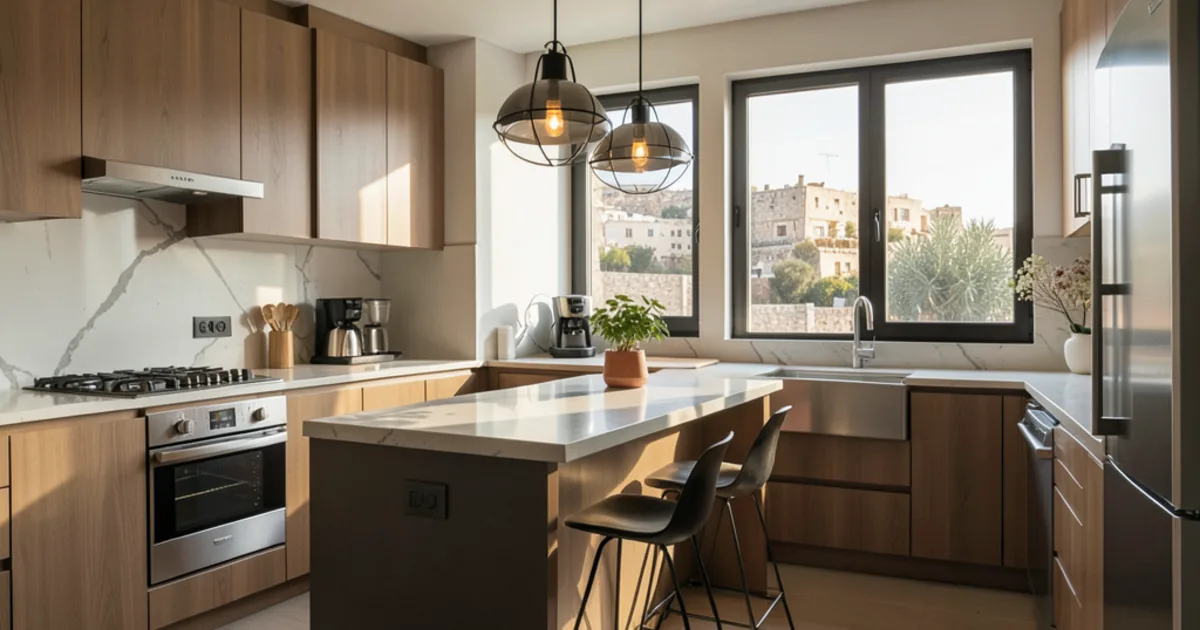
Caesarea, with its unparalleled beauty, rich history, and luxurious properties, stands as a beacon for discerning buyers in Israel. Whether you're an Israeli citizen looking to invest in a second home or an Oleh Chadash embracing a new life, understanding the financial landscape, particularly the nuances of 'Mas Rekhisha' (purchase tax), is paramount. This in-depth guide will meticulously compare the purchase tax implications for these distinct buyer profiles, offering clarity and actionable insights for your journey into Caesarea's prestigious real estate market.
- What is Mas Rekhisha (Purchase Tax) in Israel and Why is it Important for Caesarea Buyers?
- The Israeli Citizen Buying a Second Home in Caesarea: Understanding the Investment Tax Bracket
- The Oleh Chadash: Preferential Mas Rekhisha Rates as a Benefit of Aliyah
- Comparing the First Property Purchase Thresholds: Oleh Chadash vs. Israeli Citizen
- Practical Implications for Property Types in Caesarea: Villa, Plot, or Apartment
- The Role of the Tabu (Land Registry) and the Binding Memorandum in Mas Rekhisha Calculation
- Beyond Purchase Tax: Other Significant Costs for Caesarea Property Buyers
- Strategic Planning for Oleh Chadash: Maximizing Aliyah Benefits in Caesarea
- Navigating Potential Challenges: Market Fluctuations and Regulatory Changes
- The Importance of Expert Local Guidance in Caesarea Real Estate
What is Mas Rekhisha (Purchase Tax) in Israel and Why is it Important for Caesarea Buyers?
Mas Rekhisha, or purchase tax, is a fundamental component of any real estate transaction in Israel, levied by the state on the acquisition of property. It's a progressive tax, meaning the rate increases with the property's value, and it applies to all types of real estate, from a plot of land for building a dream villa to a luxury apartment overlooking the Mediterranean. For buyers in Caesarea, where property values are inherently higher due to its exclusivity and desirability, understanding this tax is not just a formality but a critical financial consideration that significantly impacts the overall cost of acquisition.
The tax is calculated based on the declared value of the property in the 'binding memorandum' (Zichron Devarim) or the final purchase agreement, and it must be paid within a relatively short period after signing. Failure to pay on time can result in penalties and interest, adding further financial strain. Therefore, prospective buyers in Caesarea, whether long-term residents or new immigrants, must factor Mas Rekhisha into their initial budget planning, alongside other costs like legal fees, agent commissions, and potential renovation expenses.
Furthermore, the precise calculation of Mas Rekhisha can be intricate, involving various thresholds and specific regulations that change periodically. It’s not a flat fee but a tiered system designed to differentiate between primary residences, investment properties, and various buyer statuses. This complexity underscores the importance of seeking professional advice from a qualified Israeli real estate attorney and tax advisor, especially when dealing with high-value properties typical of the Caesarea market.
For those eyeing a magnificent villa or a prime plot in Caesarea, the Mas Rekhisha can represent a substantial sum, potentially ranging from hundreds of thousands to even millions of shekels. This makes any potential tax relief or preferential rates, such as those afforded to an Oleh Chadash, incredibly significant. Understanding these distinctions early in the buying process can help structure the transaction optimally and avoid unpleasant surprises down the line.
The Israeli Citizen Buying a Second Home in Caesarea: Understanding the Investment Tax Bracket
For an Israeli citizen who already owns a residential property and is looking to acquire a second home in Caesarea, the purchase tax rates fall under the 'investment property' or 'additional dwelling' category. This bracket generally carries higher tax rates compared to purchasing a sole primary residence, reflecting the government's policy to discourage speculative real estate investments and encourage homeownership for first-time buyers. The thresholds for these rates are updated periodically, but the underlying principle remains consistent: the more expensive the second property, the higher the percentage of tax levied.
The progressive nature of Mas Rekhisha means that as the property value in Caesarea increases, not only does the absolute amount of tax rise, but the percentage applied to higher value tiers also escalates. This can have a significant impact on the total acquisition cost of a luxury villa or a large plot. For example, a citizen buying a second home might pay a lower percentage on the initial portion of the property's value, but then face substantially higher percentages on subsequent value brackets. This structure necessitates a thorough financial assessment before committing to a purchase.
It's crucial for Israeli citizens in this situation to understand that even if the second home in Caesarea is intended for personal use as a vacation home or a future retirement residence, it is still classified as an 'additional dwelling' for tax purposes. This classification triggers the higher tax rates, unlike the more favorable rates for a 'sole dwelling'. There are specific conditions and timelines under which a property might be reclassified or a tax refund considered, but these are exceptions that require careful planning and professional guidance.
Furthermore, the definition of what constitutes a 'second home' can sometimes be complex, especially if an individual has ownership stakes in multiple properties, even partially. This complexity further emphasizes the need for expert legal and tax advice to ensure accurate tax calculations and compliance. The goal is to avoid any misinterpretations that could lead to unexpected tax liabilities or disputes with the tax authorities.
The Oleh Chadash: Preferential Mas Rekhisha Rates as a Benefit of Aliyah
One of the significant financial incentives offered to an Oleh Chadash (new immigrant) is a substantial reduction in Mas Rekhisha rates, particularly for their first property acquisition in Israel. This preferential treatment is a cornerstone of the Aliyah benefits package, designed to ease the financial burden of establishing a new life in the country. The reduced rates apply to a wide range of property types, including apartments, villas, or even plots of land intended for building a primary residence, which is a common aspiration for those settling in exclusive areas like Caesarea.
The benefit typically allows an Oleh Chadash to pay a significantly lower, often nominal, purchase tax rate on the initial portion of the property's value, and a reduced rate on subsequent value brackets, up to a certain maximum value. This contrasts sharply with the rates faced by Israeli citizens buying a second home. The specific thresholds and rates are subject to government policy and may be updated, but the underlying principle of providing a substantial discount remains a consistent feature of Aliyah benefits.
To qualify for these preferential rates, the Oleh Chadash must generally purchase the property within a specific timeframe from their date of Aliyah, usually a few years. This window of opportunity is critical and must be carefully managed. If the purchase occurs outside this period, the Oleh Chadash may lose eligibility for the reduced rates and be subject to standard purchase tax calculations. Therefore, strategic planning is essential for new immigrants considering a property acquisition in Caesarea.
It is also important to note that this benefit is typically applicable to the first property purchased by the Oleh Chadash in Israel. Acquiring subsequent properties would generally be subject to the standard Mas Rekhisha rates for investment properties. This distinction is vital for new immigrants who might initially purchase a smaller dwelling and later aspire to a more substantial property in Caesarea. Professional guidance is indispensable to navigate these timelines and ensure full utilization of the Aliyah benefits.
Comparing the First Property Purchase Thresholds: Oleh Chadash vs. Israeli Citizen
A direct comparison of the purchase tax thresholds reveals a stark difference between an Oleh Chadash acquiring their first property and an Israeli citizen purchasing any property that is not their sole residence. For an Oleh Chadash, the initial segment of the property's value is often exempt or subject to a very low, symbolic tax rate. This provides a substantial financial advantage, especially for properties in higher-value markets like Caesarea, where even the lowest tax brackets can represent significant sums.
In contrast, an Israeli citizen purchasing a second home, or any property beyond their sole residence, would typically face a much higher initial tax rate from the very first shekel of the property's value. There is no 'exempt' threshold in the same vein as for an Oleh Chadash; the tax liability commences immediately and at a higher percentage. This fundamental difference is a key differentiator in the financial planning for both buyer profiles.
The progressive nature of the tax also means that while an Oleh Chadash benefits from lower rates across several value tiers for their first home, an Israeli citizen buying a second home will encounter higher percentages much sooner as the property's value increases. This leads to a compounding effect, where the total Mas Rekhisha paid by an Israeli citizen for a luxury property in Caesarea can be substantially greater than that paid by an Oleh Chadash for a similar valued initial purchase.
Understanding these specific thresholds and how they apply to different property values is crucial for accurate budgeting. For instance, if an Oleh Chadash is looking to acquire a significant villa or a large plot in Caesarea, the savings on Mas Rekhisha due to their status can be considerable, potentially offsetting other relocation costs. Conversely, an Israeli citizen must account for a much higher tax burden when planning to expand their real estate portfolio in this exclusive location.
Practical Implications for Property Types in Caesarea: Villa, Plot, or Apartment
The type of property being acquired in Caesarea, be it a luxurious villa, a vacant plot for custom building, or a high-end apartment, does not fundamentally alter the Mas Rekhisha rate structure itself, but it certainly impacts the absolute tax amount due to varying property values. Villas, often representing the pinnacle of luxury in Caesarea, will naturally command the highest purchase tax amounts due to their elevated price points. Both Oleh Chadash and Israeli citizens will face these higher absolute figures, but the percentage applied will differ based on their status.
For those considering a 'plot to build' in Caesarea, the Mas Rekhisha is calculated on the value of the land itself. While the initial land cost might be lower than a fully constructed villa, the subsequent construction costs are separate. However, the purchase tax on the land can still be substantial given Caesarea's premium land values. An Oleh Chadash buying a plot for their first home will still benefit from the reduced rates, making it a more attractive option for custom-building their dream residence.
Apartments in Caesarea, particularly those in desirable locations or with sea views, can also command significant prices, bringing them into higher purchase tax brackets. The same rules apply: an Oleh Chadash buying their first apartment will enjoy reduced rates, while an Israeli citizen buying a second apartment will face the higher investment property rates. The choice of property type in Caesarea, therefore, heavily influences the total Mas Rekhisha outlay, regardless of buyer status.
It's also worth noting that the definition of what constitutes a 'residential' property for tax purposes can sometimes be nuanced, especially for plots intended for future construction. Consulting with a real estate attorney who specializes in Israeli tax law is essential to ensure the correct classification and application of Mas Rekhisha, especially given the high stakes involved with Caesarea properties. This proactive approach helps in avoiding potential disputes with the tax authorities.
The Role of the Tabu (Land Registry) and the Binding Memorandum in Mas Rekhisha Calculation
The 'Tabu' (Israel Land Registry) plays a pivotal role in the formal registration of property ownership and is intrinsically linked to the Mas Rekhisha process. While the purchase tax is paid to the tax authorities, the successful transfer of ownership in the Tabu is contingent upon providing proof of payment of all applicable taxes, including Mas Rekhisha. Without this proof, the transfer of title cannot be completed, effectively preventing the buyer from becoming the legal owner of the Caesarea property.
The 'binding memorandum' (Zichron Devarim) or the final purchase agreement serves as the foundational document for calculating Mas Rekhisha. This document legally binds both buyer and seller to the terms of the transaction, including the agreed-upon purchase price. The declared price in this agreement is what the tax authorities use as the basis for their Mas Rekhisha calculation. Any discrepancy or under-declaration of the true property value can lead to severe penalties and re-assessment by the tax authorities.
It is imperative that the purchase price accurately reflects the market value of the Caesarea property. The Israeli tax authorities have mechanisms to review property valuations and may challenge declared prices if they believe they are artificially low to reduce tax liability. Such challenges can delay the Tabu registration process and result in additional costs and legal complications. Transparency and accuracy are paramount throughout this stage.
For both Oleh Chadash and Israeli citizens, ensuring that the binding memorandum is meticulously drafted by an experienced Israeli real estate attorney is non-negotiable. This document not only outlines the financial terms but also sets the timeline for payments, including Mas Rekhisha. Proper legal representation ensures that all aspects are covered, safeguarding the buyer's interests and facilitating a smooth transfer of ownership in the Tabu, crucial for any property acquisition in Caesarea.
Beyond Purchase Tax: Other Significant Costs for Caesarea Property Buyers
While Mas Rekhisha is a major financial consideration, it is by no means the only cost associated with acquiring property in Caesarea. Buyers, whether Oleh Chadash or Israeli citizens, must budget for a range of additional expenses that can significantly impact the total investment. These include legal fees for drafting contracts, conducting due diligence, and facilitating the Tabu registration, which typically amount to a percentage of the property's value. Engaging an experienced real estate attorney is an investment that protects your interests.
Another substantial cost is the real estate agent's commission, generally a percentage of the purchase price plus VAT. While some transactions occur directly, in a competitive and exclusive market like Caesarea, a knowledgeable agent can be invaluable in identifying suitable properties and negotiating terms. Furthermore, there are often valuation fees if a professional appraiser is used, and potentially fees for obtaining a 'Mashkanta' (mortgage) if financing part of the purchase.
Post-purchase, property owners in Caesarea will incur ongoing expenses such as 'Arnona' (municipal tax), which is levied by the local municipality for services provided. This tax varies based on property size, location, and usage. There are also maintenance fees for shared facilities in apartment buildings or gated communities, and insurance costs. For those building on a plot, construction permits and development fees will be additional, often substantial, outlays.
For an Oleh Chadash, while they benefit from Mas Rekhisha reductions, they may also face initial relocation costs, potential Ulpan (Hebrew language school) fees, and the general expenses of settling into a new country. Factoring in all these costs beyond the purchase price and Mas Rekhisha is crucial for a realistic and comprehensive financial plan, ensuring a smooth and enjoyable transition to life or investment in Caesarea.
Strategic Planning for Oleh Chadash: Maximizing Aliyah Benefits in Caesarea
For an Oleh Chadash aspiring to purchase property in Caesarea, strategic planning is key to maximizing the significant Aliyah benefits, particularly the reduced Mas Rekhisha. The limited timeframe within which these benefits can be utilized, typically a few years from the date of Aliyah, necessitates a proactive approach. It's advisable to begin researching the Caesarea real estate market and understanding the purchasing process well in advance of the actual acquisition.
Engaging with a specialized real estate agent who understands the unique needs of Olim and a tax advisor familiar with Aliyah benefits is paramount. They can help navigate the complexities of property identification, negotiation, and ensuring all documentation is correctly prepared to leverage the reduced tax rates. This includes understanding the specific thresholds and ensuring the property is classified as a 'first property' for tax purposes.
Another strategic consideration is the timing of the purchase relative to other financial decisions. For instance, if an Oleh Chadash plans to bring significant funds to Israel, coordinating the property purchase with the timing of these transfers can be beneficial. Understanding the implications of currency exchange and international banking regulations is also important. The goal is to optimize both the tax benefits and the overall financial efficiency of the transaction.
Furthermore, for those considering building a custom home on a plot in Caesarea, the planning should encompass not just the land purchase but also the subsequent construction phase. While the Mas Rekhisha benefit applies to the land, the construction costs are separate. However, the initial savings on the land purchase tax can free up capital for the building process. A holistic approach to planning ensures that the Oleh Chadash fully capitalizes on their unique status to establish their dream home in Caesarea.
Navigating Potential Challenges: Market Fluctuations and Regulatory Changes
The Israeli real estate market, including exclusive areas like Caesarea, is dynamic and subject to fluctuations driven by economic conditions, interest rates, and geopolitical factors. Buyers, both Oleh Chadash and Israeli citizens, must be prepared for potential shifts in property values and market sentiment. While Caesarea generally maintains its high value due to limited supply and strong demand, no market is entirely immune to broader trends. Therefore, a degree of flexibility and a long-term perspective are advisable.
Regulatory changes, particularly concerning taxation, are another potential challenge. The Israeli government periodically reviews and adjusts purchase tax rates, thresholds, and eligibility criteria. These changes can impact the financial calculations for both types of buyers. While the fundamental Aliyah benefits for Mas Rekhisha have historically been consistent, the specific percentages and maximum values can be updated. Staying informed through reliable legal and tax professionals is crucial.
For an Oleh Chadash, an additional challenge might involve adapting to the Israeli legal and bureaucratic system, which can differ significantly from their country of origin. This includes understanding property law, municipal regulations, and the intricacies of the Tabu. Engaging local experts who are fluent in both English and Hebrew can bridge this gap and provide invaluable assistance throughout the purchasing process, minimizing misunderstandings and delays.
Moreover, securing a 'Mashkanta' (mortgage) in Israel can present its own set of challenges, especially for new immigrants who may not have an established credit history in the country. While banks are generally open to lending, the terms and conditions may vary. Israeli citizens purchasing a second home might also face stricter lending criteria for investment properties. Anticipating these challenges and seeking expert advice early on can streamline the entire property acquisition journey in Caesarea.
The Importance of Expert Local Guidance in Caesarea Real Estate
Given the complexities of Israeli real estate law, taxation, and the unique characteristics of the Caesarea market, engaging expert local guidance is not merely beneficial but essential for both Oleh Chadash and Israeli citizens. A reputable real estate agency specializing in Caesarea, like CaesareaRealEstate, offers invaluable insights into market trends, property availability, and pricing nuances that are not readily accessible elsewhere.
Beyond property identification, an experienced real estate attorney specializing in Israeli property law is indispensable. They will conduct thorough due diligence, verify ownership with the Tabu, review the binding memorandum and purchase agreement, and ensure all legal aspects are handled correctly. Crucially, they will also provide precise calculations for Mas Rekhisha and advise on any other applicable taxes or fees, ensuring compliance and preventing future disputes.
For an Oleh Chadash, the need for specialized advice is even more pronounced. An attorney and tax advisor familiar with Aliyah benefits can ensure that all conditions for reduced Mas Rekhisha are met and that the purchase is structured to maximize these advantages. They can also assist with other aspects of relocation that might impact property acquisition, such as currency transfers and banking relationships.
Ultimately, investing in expert local guidance provides peace of mind and significantly de-risks the property acquisition process in Caesarea. Whether you are an Oleh Chadash embarking on a new chapter or an Israeli citizen expanding your portfolio, professional support ensures a smooth, compliant, and financially optimized transaction, allowing you to focus on enjoying your exclusive new address.
FAQ
Can an Oleh Chadash use their reduced Mas Rekhisha rate for any property in Israel?
The preferential Mas Rekhisha rates for an Oleh Chadash typically apply to their first property acquisition in Israel and must be purchased within a specific timeframe from their Aliyah date. Subsequent properties or purchases outside this window would generally be subject to standard rates.
What happens if an Israeli citizen sells their first home shortly after buying a second in Caesarea?
If an Israeli citizen sells their sole dwelling within a specific period (often 12-24 months) after purchasing a second home, they may be eligible for a refund of the higher Mas Rekhisha paid on the second property, as it would then become their sole dwelling. This requires careful planning and legal consultation.
Are there any specific Mas Rekhisha considerations for buying a plot of land for building in Caesarea?
Mas Rekhisha on a plot of land is calculated on the land's value; the subsequent construction costs are not subject to this tax. However, the high value of land in Caesarea means the purchase tax can still be substantial. Oleh Chadash benefits would apply if it's their first property.
Does the Mas Rekhisha rate change if I use a Mashkanta (mortgage) to buy a property in Caesarea?
No, the Mas Rekhisha rate is calculated solely based on the property's declared purchase value, regardless of whether you finance the purchase with a Mashkanta or pay in cash. The source of funds does not influence the tax percentage.
What is the typical timeframe for paying Mas Rekhisha after signing a purchase agreement in Caesarea?
Mas Rekhisha typically needs to be paid within 50 days of signing the binding purchase agreement. Delays can incur penalties and interest, so it's crucial to budget and prepare for this payment promptly after the agreement is finalized.
Get your personalised shortlist
Listings and up-to-date info, straight to your inbox, free, no obligation.
See Caesarea villas →