Villa caesarea
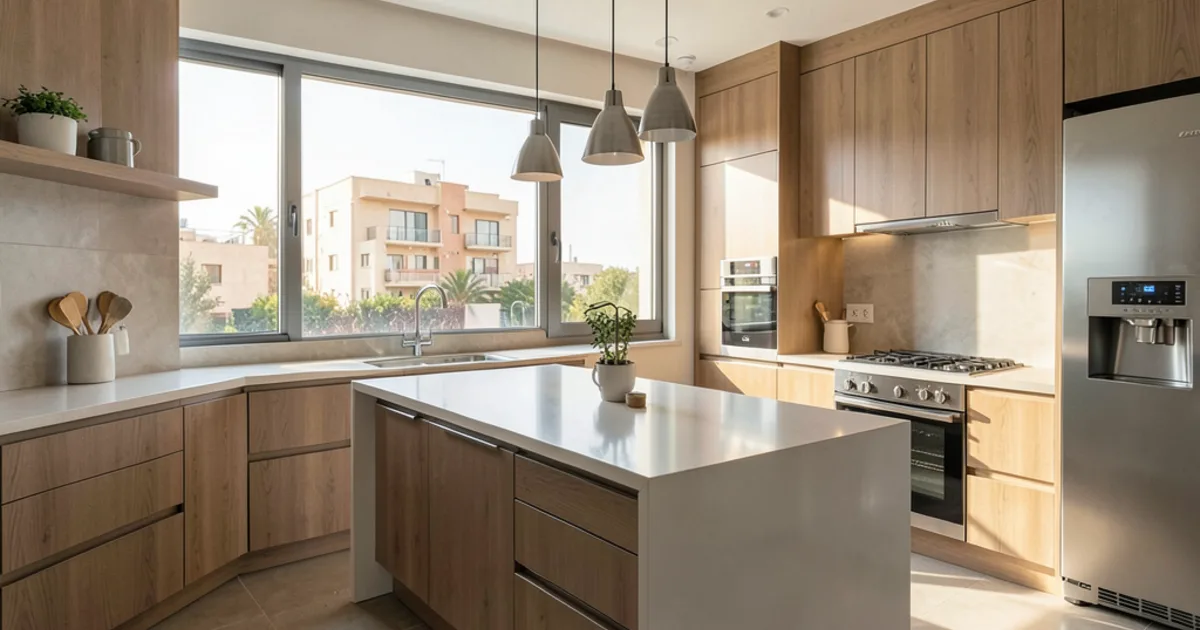
The search for a villa in Caesarea represents the pinnacle of real estate aspirations in the Mediterranean region. This exclusive coastal address offers a unique blend of historical grandeur, modern luxury, and unparalleled privacy. Whether you are looking for a turnkey estate or a plot to build your bespoke masterpiece, understanding the nuances of the Israeli luxury market is essential for a successful acquisition.
- The Unique Landscape of Luxury Living in Caesarea
- Choosing Between an Existing Villa and a Building Plot
- Navigating the Legal Framework and the Tabu Registry
- Understanding Israeli Property Taxes and Transaction Costs
- Securing Financing and Managing Mashkanta
- The Architectural Vision and the Planning Process
- Managing the Construction of a Bespoke Villa
- Long-Term Ownership: Maintenance and Community Lifestyle
- Strategic Advice for International Investors
- Evaluating the Long-Term Value of a Caesarea Villa
The Unique Landscape of Luxury Living in Caesarea
Caesarea stands as a singular destination where ancient history meets contemporary sophistication. The area is defined by its sprawling coastal stretches, manicured landscapes, and an atmosphere of quiet exclusivity that is rare to find elsewhere. For those seeking a villa, the location offers more than just a home; it offers a lifestyle characterized by security, prestige, and proximity to world-class amenities. The architectural diversity within the region ensures that every property feels distinct and personal.
The demand for high-end villas in this area is driven by a scarcity of available land and the high barrier to entry. Unlike more densely populated urban centers, Caesarea provides a sense of space and breathing room that is highly coveted by international and local high-net-worth individuals. This scarcity naturally preserves the long-term value of the assets within the community. Consequently, a villa here is often viewed as both a sanctuary and a significant generational asset.
Navigating this market requires an appreciation for the local geography and the specific character of different neighborhoods. Some areas are oriented toward the Mediterranean shoreline, offering direct sea views and immediate beach access, while others are nestled within lush, verdant greenery. Each micro-location carries its own set of advantages, from privacy levels to the proximity of social hubs. Understanding these subtle differences is the first step in finding a property that aligns with your personal vision.
- Direct Mediterranean coastline access
- Unrivaled privacy and gated community features
- Integration of historical heritage and modern luxury
- High scarcity of premium residential plots
Choosing Between an Existing Villa and a Building Plot
One of the most critical decisions for a prospective buyer is whether to purchase an existing villa or to acquire a plot of land to build from scratch. An existing villa offers the advantage of immediacy and the ability to inspect the finished product. You can experience the flow of the rooms, the quality of the finishes, and the actual views from the terrace. This path is often preferred by those who wish to move into their new residence without the complexities of a multi-year construction project.
However, purchasing an existing home may involve compromises regarding layout, design, or specific technological integrations. While many luxury villas in Caesarea are built to an exceptional standard, they reflect the tastes of a previous owner. If you have a highly specific architectural vision or require a unique configuration of spaces, a turnkey property might feel restrictive. In such cases, the trade-off between convenience and customization becomes a central theme of your decision-making process.
Acquiring a plot offers the ultimate freedom to design a bespoke residence that meets your exact requirements. From the orientation of the master suite to the integration of smart-home technology and specialized wellness facilities, every detail is within your control. This approach allows for the creation of a truly unique estate that serves as a reflection of your identity. However, it requires a significant commitment of time, patience, and active management throughout the planning and building phases.
Building on a plot also necessitates a deep understanding of local zoning laws and building rights. You must work closely with architects and the local municipality to ensure your vision complies with the established urban planning frameworks. The process involves navigating various stages of approval, which can vary in duration. Therefore, the choice between a ready-made villa and a plot is essentially a choice between certainty and total creative autonomy.
- Existing Villa: Immediate occupancy, predictable costs, known quality
- Building Plot: Total customization, unique design, long-term project management
Navigating the Legal Framework and the Tabu Registry
Real estate transactions in Israel are governed by a rigorous legal framework designed to ensure the security of ownership. The most important entity in this process is the Tabu, the official Land Registry. Before committing to any purchase, it is imperative to verify that the property is correctly registered in the Tabu and that the seller has the legal right to transfer the title. A property that is not properly registered or has discrepancies in the Tabu can lead to significant legal complications and delays.
A thorough due diligence process must include a search for any liens, encumbrances, or legal claims against the property. This involves examining the history of the land to ensure there are no outstanding debts or disputes that could affect your ownership. Professional legal counsel is not merely an option in these high-value transactions; it is a necessity. A qualified lawyer will conduct a comprehensive search and provide a report that outlines the legal status of the villa and the land it sits upon.
The transfer of ownership is formalized through a binding memorandum, often referred to in local terms as a contract of sale. This document is the cornerstone of the transaction, outlining all terms, conditions, and obligations of both the buyer and the seller. It must be drafted with extreme precision to cover aspects such as payment schedules, delivery dates, and warranties. Once signed, this memorandum becomes the legal basis for the entire acquisition, making the role of legal experts even more critical.
In certain circumstances, especially involving international buyers or specific types of land, a notary may be required to authenticate signatures or documents. The interplay between the municipality, the Land Registry, and the legal representatives ensures that the transition of ownership is recorded officially. This formalization is what provides the peace of mind necessary when investing significant capital into a luxury estate.
- Verification of ownership via the Tabu Land Registry
- Identification of liens, mortgages, or legal encumbrances
- Drafting and execution of a comprehensive binding memorandum
- Role of legal counsel in ensuring a clean title transfer
Understanding Israeli Property Taxes and Transaction Costs
Budgeting for a villa in Caesarea requires a clear understanding of the various taxes and fees associated with high-value real estate in Israel. One of the primary costs is Mas Rekhisha, or purchase tax. This tax is levied on the buyer and is calculated based on a progressive scale that increases with the value of the property. For luxury villas, which often fall into the highest brackets, this tax can represent a substantial portion of the total acquisition cost. It is vital to calculate this figure accurately during the initial planning stages.
On the other side of the transaction, the seller is typically responsible for Mas Shevah, which is the capital gains tax. This tax is applied to the profit made on the sale of the property, representing the difference between the purchase price and the sale price. While this is a cost for the seller, it often influences the final negotiation price of the villa. Buyers should be aware of how these tax dynamics affect the overall market and the pricing strategies used by sellers in the region.
Beyond the initial purchase, there are recurring municipal costs that must be factored into your long-term financial planning. The most notable is Arnona, the municipal tax that is charged by the local authority. Arnona is calculated based on the size of the property, its usage (residential vs. commercial), and its location. Given the large scale of luxury villas in Caesarea, the annual Arnona can be a significant recurring expense that should be anticipated.
Other transaction costs may include legal fees, notary fees, and potentially registration fees with the Tabu. When purchasing a plot to build on, you may also encounter additional costs related to land surveying and municipal permit fees. A holistic view of these expenses ensures that you are not caught off guard by 'hidden' costs that can arise during the closing process. Professional advice from a tax expert can provide a more granular breakdown tailored to your specific transaction.
- Mas Rekhisha (Purchase Tax) paid by the buyer on a progressive scale
- Mas Shevah (Capital Gains Tax) typically managed by the seller
- Arnona (Municipal Tax) based on property size and usage
- Legal, notary, and registration fees associated with the transfer
Securing Financing and Managing Mashkanta
Financing the purchase of a luxury villa often involves securing a Mashkanta, which is the local term for a mortgage. For high-value properties in Caesarea, the mortgage process can be more complex than standard residential loans. Israeli financial institutions typically require extensive documentation regarding the buyer's financial standing, income stability, and overall asset portfolio. The bank will also conduct a professional appraisal of the property to ensure that the collateral meets their valuation standards.
It is important to understand that the terms offered by banks can vary significantly based on the type of property being financed. A turnkey villa may be viewed differently by a lender than a vacant plot of land. When financing a plot, the bank may require a specific construction loan structure that releases funds in stages as building milestones are achieved. This requires meticulous coordination between the lender, the builder, and the borrower to ensure the project remains funded throughout its lifecycle.
Interest rates and loan terms in Israel can be structured in various ways, including fixed or variable rates. Buyers should work with financial advisors to determine which structure best suits their long-term financial strategy and risk tolerance. Given the scale of these investments, even small fluctuations in interest rates can have a meaningful impact on monthly repayments. A well-structured Mashkanta is essential for maintaining financial flexibility while owning a premium estate.
Furthermore, lenders will often look for a significant down payment, especially in the luxury segment. Having a substantial portion of the purchase price available in liquid assets can strengthen your position during negotiations with the bank. This not only improves the likelihood of approval but can also lead to more favorable interest rates and terms. Preparing your financial profile well in advance of your search is a prudent step for any serious investor.
- Mashkanta (Mortgage) processes for high-value luxury estates
- Bank appraisal requirements for property valuation
- Construction-specific loan structures for building on plots
- Importance of interest rate strategy and down payment planning
The Architectural Vision and the Planning Process
If you choose the path of building a custom villa, the architectural vision becomes the heart of the project. This process begins with selecting an architect who understands both the aesthetic requirements of luxury living and the practical constraints of the local environment. A great architect will not only design a beautiful structure but will also optimize the layout for the Mediterranean climate, ensuring natural light and ventilation are maximized. This phase is about translating your lifestyle needs into a tangible blueprint.
Once the design is finalized, the project must enter the formal planning and permitting phase with the local municipality. This involves submitting detailed plans to the relevant planning committees to ensure compliance with local zoning laws, building heights, and setback requirements. The process of obtaining a building permit can be time-consuming and requires patience. It is essential to account for these administrative timelines when planning your move or your investment schedule.
During the planning phase, it is also necessary to consider the integration of modern infrastructure. This includes advanced security systems, sustainable energy solutions, and high-end smart-home automation. The goal is to create a residence that is as functional and technologically advanced as it is visually stunning. Working with specialized consultants during the design phase can prevent costly modifications once construction has already commenced.
The interplay between the architect, the engineers, and the municipal authorities is a delicate one. Successful projects are characterized by clear communication and a proactive approach to potential regulatory hurdles. By anticipating the needs of the planning committees and adhering strictly to local codes, you can help streamline the path from a conceptual drawing to a physical reality. This stage is where the foundation of your future home is truly laid.
- Architectural design focused on Mediterranean lifestyle
- Navigating municipal planning committees and zoning laws
- Obtaining necessary building permits (Taba)
- Integration of smart technology and sustainable infrastructure
Managing the Construction of a Bespoke Villa
The construction phase is perhaps the most intensive part of the journey for those building a villa on a plot. Managing a project of this scale requires a high degree of oversight to ensure that the quality of work meets the promised standards. One of the most effective ways to protect your investment is by hiring a professional supervisor, known locally as a Mefakeach. This individual acts as your eyes and ears on the construction site, ensuring that the contractor adheres to the architectural plans and technical specifications.
Selecting the right developer or contractor is a decision that will have long-lasting implications. You should look for a track record of delivering high-end residential projects and seek references from previous clients. A reliable contractor will provide clear timelines, transparent pricing, and a commitment to quality materials. It is also common to use detailed contracts that outline the responsibilities of each party and define the penalties for delays or substandard work.
Construction in Caesarea also requires careful management of the environmental factors. The proximity to the sea means that materials must be chosen for their durability against salt air and humidity. Using high-quality, weather-resistant finishes is not just an aesthetic choice; it is a necessity for long-term maintenance. A supervisor will play a key role in verifying that these specific material requirements are being met during the build.
Throughout the build, regular communication and progress reports are essential. It is helpful to establish a structured meeting schedule with your architect, supervisor, and contractor to address any emerging issues promptly. While the process can be demanding, seeing the vision take shape through the stages of foundation, structure, and finishing is immensely rewarding. The end result is a residence that is uniquely yours, built to your exacting standards.
- The critical role of a professional supervisor (Mefakeach)
- Selecting reputable developers and contractors for luxury builds
- Mitigating environmental impact through material selection
- Maintaining rigorous oversight and communication throughout construction
Long-Term Ownership: Maintenance and Community Lifestyle
Owning a villa in Caesarea brings with it a responsibility to maintain the high standards of the community. The coastal environment, while beautiful, can be demanding on a property's exterior. Regular maintenance of facades, roofing, and landscaping is essential to prevent the corrosive effects of the sea air from impacting the structure. A proactive maintenance schedule helps preserve the property's value and ensures that the villa remains a source of pride for years to come.
The lifestyle in Caesarea is characterized by a sense of community and shared values regarding privacy and security. Many of the most exclusive areas are managed with high levels of security and communal upkeep. As a homeowner, you will likely be part of a community that values order and aesthetic harmony. This often involves participating in community standards and, in some cases, contributing to shared maintenance funds for common areas and security services.
Managing the recurring costs of a large estate is a key part of ownership. Beyond the Arnona, you should account for the costs of professional landscaping, pool maintenance, and security services. For many owners, these services are outsourced to specialized companies to ensure that the property is always kept in peak condition. Planning for these operational expenses is as important as the initial purchase price when evaluating the total cost of ownership.
Ultimately, the reward of owning a villa here is the ability to enjoy an unparalleled quality of life. Whether it is hosting guests in a grand garden, enjoying a quiet morning by the sea, or participating in the local social scene, the lifestyle is as multifaceted as the landscape itself. By approaching ownership with both appreciation and diligence, you can fully realize the benefits of living in Israel's most prestigious address.
- Proactive maintenance against coastal environmental factors
- Engagement with exclusive community standards and security
- Management of recurring operational and maintenance costs
- The lifestyle benefits of the Caesarea enclave
Strategic Advice for International Investors
For international buyers, entering the Israeli real estate market requires a specialized approach. The cultural and legal nuances can sometimes be unexpected for those accustomed to different regulatory environments. One of the most important pieces of advice is to secure local representation early in the process. Having a lawyer and a real estate adviser who understand both the local market and the specific needs of international clients is indispensable for navigating the complexities of the transaction.
Language and communication can also present challenges. While many professionals in the high-end sector speak English, much of the official documentation and municipal communication will be in Hebrew. It is important to ensure that all contracts are accurately translated and that you fully understand every clause before signing. Relying on professional translators and legal experts ensures that nothing is lost in translation during the critical phases of the acquisition.
Understanding the local mindset regarding property and negotiation is also beneficial. In Israel, real estate transactions can sometimes move at a different pace than in other parts of the world, with periods of intense activity followed by administrative delays. Being patient and maintaining a clear, professional stance during negotiations will serve you well. It is about building a relationship of trust with the various parties involved in the deal.
Finally, consider the long-term integration into the local lifestyle. If you plan to spend significant time in Caesarea, understanding the local rhythms and community expectations will enhance your experience. Whether it is learning some Hebrew or understanding the local customs, a level of cultural immersion goes a long way in making your new villa truly feel like home. A successful investment is not just about the property, but about how seamlessly you integrate into your new surroundings.
- Importance of local legal and real estate representation
- Overcoming language barriers in documentation and official processes
- Navigating local negotiation styles and transaction paces
- Strategies for cultural integration and long-term residence
Evaluating the Long-Term Value of a Caesarea Villa
When considering a villa in Caesarea, it is prudent to view the purchase through the lens of long-term value. The inherent scarcity of premium land in such a desirable coastal location provides a natural hedge against market volatility. As the demand for exclusive, high-quality residential properties continues to grow, the supply in Caesarea remains strictly limited. This dynamic is a fundamental driver of the area's enduring prestige and its ability to maintain value over time.
The value of a property is also heavily influenced by its specific attributes, such as its proximity to the sea, its architectural significance, and the quality of its plot. A villa that offers both privacy and a direct view of the Mediterranean will typically command a premium and hold its value more effectively. Similarly, properties located in well-established, highly secure neighborhoods tend to be more resilient to broader economic shifts. Identifying these high-value characteristics is key to a strategic acquisition.
Investors should also consider the broader development of the region. While Caesarea is already an established luxury destination, any improvements to local infrastructure, amenities, or accessibility can have a positive impact on property values. However, the primary value driver remains the unique combination of history, location, and exclusivity that cannot be replicated elsewhere. It is a destination that defines itself by what it is, rather than by rapid, transient changes.
In conclusion, while no real estate investment is without risk, a villa in Caesarea represents a high-caliber asset in a premier market. By conducting thorough due diligence, understanding the legal and financial requirements, and choosing a property with strong fundamental characteristics, you can secure a significant piece of Israel's most prestigious coastline. The goal is to find a property that offers not only financial stability but also an unparalleled lifestyle for generations to come.
- Scarcity of premium land as a value driver
- Impact of specific attributes like sea views and privacy
- Resilience of established luxury neighborhoods
- Long-term appreciation potential in a premier coastal enclave
FAQ
What are the main taxes when buying a villa in Caesarea?
The primary tax for the buyer is Mas Rekhisha (purchase tax), which is calculated on a progressive scale based on the property value. Additionally, you should budget for legal fees, notary costs, and registration fees with the Tabu.
Can I build a custom villa on a plot in Caesarea?
Yes, you can acquire a plot to build a bespoke residence, but this requires navigating the local municipality's planning and permitting processes. It is essential to work with an architect and a supervisor to ensure your design complies with local zoning laws.
Is it necessary to hire a supervisor for villa construction?
While not always legally mandated, hiring a professional supervisor (Mefakeach) is highly recommended for luxury builds. They ensure that the contractor adheres to the architectural plans, uses the correct materials, and maintains high quality throughout the project.
How is the ownership of a villa verified in Israel?
Ownership is officially recorded in the Tabu, the national Land Registry. It is critical to have a lawyer conduct a thorough search in the Tabu to ensure the property is free of any liens, mortgages, or legal disputes before finalizing the purchase.
Get your personalised shortlist
Listings and up-to-date info, straight to your inbox, free, no obligation.
See Caesarea villas →