What are the current property management fees and expected maintenance costs for a luxury villa in Caesarea for absentee owners?
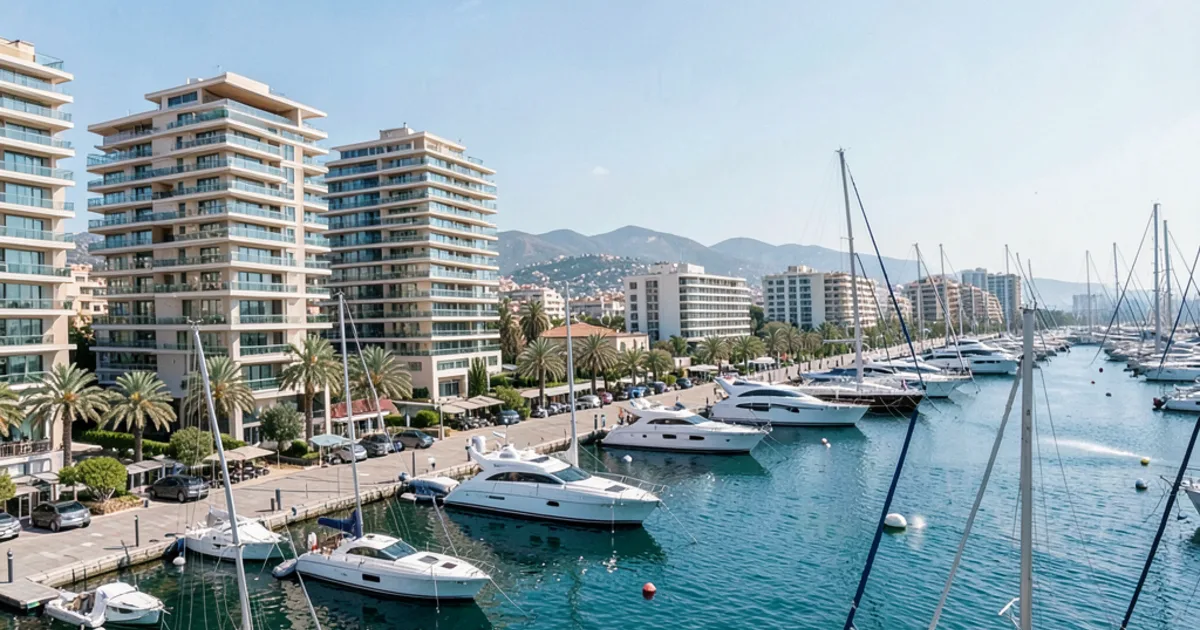
Caesarea, with its unparalleled blend of ancient history and modern luxury, represents a pinnacle of Israeli real estate. For international investors or those with primary residences elsewhere, owning a luxury villa here offers immense appeal, yet it comes with the practical consideration of ongoing property management and maintenance. This comprehensive guide aims to demystify the financial commitments involved, providing a realistic overview of the fees and expenses an absentee owner can expect to incur, ensuring your investment remains a source of pleasure, not a burden.
- The Unique Appeal of Caesarea for Absentee Luxury Villa Owners
- Understanding Property Management Fees for Absentee Owners
- Core Services Included in a Standard Property Management Package
- Additional and Specialized Management Services for Luxury Villas
- Expected Routine Maintenance Costs for a Luxury Villa
- Anticipating Periodic and Capital Maintenance Expenses
- The Impact of Property Size and Features on Maintenance Costs
- Understanding Local Taxes and Fees for Absentee Owners
- The Importance of a Detailed Budget and Contingency Fund
- Selecting the Right Property Management Partner in Caesarea
- Legal and Administrative Considerations for Absentee Owners in Israel
- Maximizing Your Investment: Rental Potential and Value Appreciation
The Unique Appeal of Caesarea for Absentee Luxury Villa Owners
Caesarea stands as Israel's only private community, offering an exclusive lifestyle characterized by pristine beaches, an ancient port, a world-class golf course, and a meticulously maintained infrastructure. This unique status contributes significantly to its desirability among discerning buyers seeking both a luxurious retreat and a sound investment within a secure and aesthetically pleasing environment. The allure extends beyond mere aesthetics, encompassing a vibrant, sophisticated community that values privacy and high standards.
For absentee owners, the appeal is further heightened by the potential for strong rental yields, particularly for properties of exceptional quality, and the inherent stability of the Israeli real estate market. Many choose Caesarea as a holiday home, a future retirement destination, or simply as a strategic asset in a globally recognized luxury market. The robust demand for high-end properties ensures that well-maintained villas tend to hold their value and appreciate over time.
However, this exclusivity also translates into a certain expectation regarding property upkeep and the level of service required for management. Absentee ownership, by its nature, necessitates reliable local support to safeguard the investment and ensure the property remains in impeccable condition. Understanding these underlying dynamics is crucial for setting realistic financial expectations from the outset.
The distinct character of Caesarea, with its strict building codes and emphasis on harmonious design, means that maintenance standards are generally higher than in many other locations. This commitment to preserving the community’s aesthetic integrity directly impacts the types of services required and, consequently, the associated costs. Owners are not just buying a property; they are investing in a lifestyle and a community standard.
Understanding Property Management Fees for Absentee Owners
Property management fees for luxury villas in Caesarea, especially for absentee owners, are typically structured to reflect the comprehensive nature of the services provided. These fees are not merely for rent collection but encompass a broad spectrum of responsibilities, ranging from routine inspections to emergency response and financial reporting. The exact percentage or fixed fee can vary considerably based on the scope of services agreed upon and the complexity of the property.
Generally, you can expect property management fees to be a percentage of the gross rental income if the property is leased, or a fixed monthly or annual fee for properties primarily used by the owner. This percentage can fall within a certain range, reflecting the premium service level expected for high-value assets. For non-rental properties, a fixed fee structure often applies, covering essential oversight without tying it to rental performance.
Factors influencing these fees include the size and intricacy of the villa, the extent of its grounds, the frequency of required visits, and any specialized services like yacht management or art collection oversight. A detailed agreement outlining every service is paramount to avoid misunderstandings. It's not uncommon for premium services to command a higher fee, justified by the peace of mind and professional handling they provide.
It is essential to engage with reputable property management firms that specialize in luxury properties within Caesarea. Their expertise in local regulations, access to trusted contractors, and understanding of the discerning needs of absentee owners are invaluable. Always request a clear breakdown of services included in the base fee and any potential additional charges for extraordinary events or specific requests.
Core Services Included in a Standard Property Management Package
A standard property management package for a luxury villa typically covers essential services designed to maintain the property's value and address immediate needs. This often includes regular physical inspections of the property, both interior and exterior, to identify any potential issues before they escalate. These inspections are crucial for preventative maintenance and ensuring the property remains secure.
Financial administration is another cornerstone, involving the meticulous tracking and payment of recurring bills such as Arnona (municipal property tax), utility bills (electricity, water, gas, internet), and any community association fees. The manager acts as a central point for all financial transactions related to the property, providing detailed statements and ensuring timely payments to avoid penalties. This alleviates a significant administrative burden for absentee owners.
Communication and reporting are vital. A good property manager will provide regular updates on the property's condition, any maintenance work undertaken, and financial summaries. This ensures the absentee owner is always informed, even from afar. They also serve as the primary point of contact for any issues that arise, coordinating with local service providers or authorities on the owner's behalf.
Key holding and emergency response services are also standard inclusions. This means the property manager holds keys for access by authorized personnel (cleaners, contractors) and is available to respond to urgent situations, such as burst pipes, security alarms, or power outages, even outside regular business hours. This immediate local presence is invaluable for protecting the property and mitigating potential damage.
- Regular property inspections (interior and exterior)
- Bill payments (Arnona, utilities, community fees)
- Financial reporting and monthly statements
- Key holding and access management
- Emergency contact and response
Additional and Specialized Management Services for Luxury Villas
Beyond the standard offerings, luxury villa owners often opt for specialized services tailored to their unique needs and the high-end nature of their properties. These can include comprehensive concierge services, ranging from arranging private chefs and personalized tours to booking transportation and managing guest arrivals and departures. Such services elevate the owner's experience and provide a seamless stay for guests.
Horticultural management for extensive gardens and landscaping is another common add-on. Luxury villas in Caesarea often boast meticulously designed outdoor spaces, requiring expert care for exotic plants, irrigation systems, and seasonal maintenance. This goes beyond basic gardening and ensures the property's curb appeal remains pristine year-round, reflecting the overall investment.
Advanced security system monitoring and management, including coordination with private security firms, can be arranged for owners seeking an extra layer of protection. This might involve overseeing surveillance systems, access control, and rapid response protocols. For high-value properties, this proactive security approach provides significant peace of mind.
Furthermore, some owners request specific oversight for valuable collections, such as art, antiques, or wine cellars, requiring climate control monitoring and specialized insurance coordination. Yacht or luxury vehicle management, including maintenance scheduling and logistical support, can also be integrated into a bespoke management package. These specialized services, while adding to the overall cost, are essential for preserving bespoke elements of a luxury lifestyle.
- Concierge services (guest coordination, travel arrangements)
- Extensive garden and landscape maintenance
- Advanced security system monitoring and coordination
- Luxury asset management (art, wine, vehicles)
- Project management for renovations or upgrades
Expected Routine Maintenance Costs for a Luxury Villa
Routine maintenance costs are an inescapable part of luxury villa ownership in Caesarea, and budgeting for these is crucial for long-term financial planning. These costs encompass a variety of services necessary to keep the property in excellent condition and ensure its systems function optimally. Unlike management fees, these are direct expenses for services rendered to the property itself.
Regular garden and pool maintenance are significant recurring expenses. A luxury villa often features substantial landscaping, requiring weekly or bi-weekly professional gardening services, including irrigation system checks, pruning, and pest control. Similarly, private swimming pools demand consistent cleaning, chemical balancing, and equipment checks to remain hygienic and operational, especially during the warmer months.
Utility costs, while variable, form a substantial part of routine expenses. Electricity consumption, particularly with air conditioning use during Israel's hot summers and heating in winter, can be considerable in larger homes. Water usage, especially for irrigation, also contributes significantly. Internet, cable TV, and potentially home security monitoring subscriptions are additional monthly outlays.
General upkeep, such as periodic exterior cleaning, window washing, and minor repairs, also falls under routine maintenance. While individual instances might be small, budgeting for these aggregated costs over a year is important. These preventative measures help avoid larger, more costly repairs down the line and maintain the property's pristine appearance.
- Weekly/bi-weekly garden and landscape services
- Pool cleaning and chemical balancing
- Monthly utility bills (electricity, water, gas, internet)
- Routine pest control
- Periodic exterior cleaning and window washing
Anticipating Periodic and Capital Maintenance Expenses
Beyond routine upkeep, luxury villas require periodic and capital maintenance expenses that occur less frequently but often involve more substantial investments. These are crucial for preserving the property's structural integrity, aesthetic appeal, and market value over the long term. Failure to budget for these can lead to accelerated depreciation or unexpected financial burdens.
One significant periodic expense is the repainting of the villa's exterior, typically required every several years, depending on the climate and paint quality. Similarly, roof inspections and potential repairs or cleaning are essential to prevent water ingress and maintain structural soundness. These are often multi-day projects requiring skilled labor.
Maintenance and eventual replacement of major systems such as air conditioning units, water heaters, and pool equipment represent capital expenses. While these items have a lifespan of many years, their eventual replacement can be a considerable cost. Proactive servicing can extend their life, but budgeting for their eventual upgrade is a prudent financial strategy.
Interior refreshes, such as updating kitchen appliances, bathroom fixtures, or flooring, while optional, are often undertaken every decade or so to keep the villa's interior modern and appealing. For absentee owners, a property manager can oversee such projects, coordinating contractors and ensuring quality control, adding a layer of convenience to these significant undertakings.
- Exterior repainting (every 5-10 years)
- Roof inspection and maintenance/repair
- HVAC system servicing and eventual replacement
- Water heater replacement
- Major appliance upgrades (kitchen, laundry)
The Impact of Property Size and Features on Maintenance Costs
The sheer scale and bespoke features of a luxury villa in Caesarea directly correlate with higher maintenance costs. A larger property, by definition, has more square footage to clean, more systems to maintain, and a greater exterior area to manage. This increased physical footprint necessitates more resources, both in terms of labor and materials, for upkeep.
Elaborate architectural elements, such as intricate stonework, custom woodwork, or specialized façade materials, require specific maintenance techniques and often highly skilled artisans. These unique features, while contributing to the villa's distinct character and value, also come with a premium for their care and repair. Standard contractors may not possess the expertise for such specialized work.
Amenities like private gyms, home cinemas, smart home automation systems, and extensive outdoor entertainment areas (e.g., outdoor kitchens, fire pits) all add layers of complexity and cost to maintenance. Each system requires periodic checks, software updates, and potential repairs, often from specialized technicians. The more sophisticated the feature, the more specialized the maintenance it demands.
Furthermore, properties with extensive, mature gardens or unique water features like koi ponds or fountains will incur higher ongoing landscaping and water feature maintenance costs. The labor for these specialized services is typically charged at a higher rate than general gardening, reflecting the expertise required to preserve these valuable aesthetic components.
Understanding Local Taxes and Fees for Absentee Owners
Beyond management and maintenance, absentee owners in Caesarea must also factor in various local taxes and governmental fees that are recurrent. The most prominent of these is Arnona, the municipal property tax, which is levied by the local authority (Caesarea Development Corporation, in this unique case) and is calculated based on the property's size and classification. This is a non-negotiable, mandatory expense.
Utility services, while already covered under routine maintenance, also carry governmental levies. Water and electricity bills include various taxes and charges set by national corporations. It's important to note that these rates can fluctuate, and a property manager will ensure these are paid accurately and on time, preventing service disruptions.
For properties that are occasionally rented out, even for short-term holiday rentals, there might be specific local tourism levies or licensing fees depending on the exact nature and frequency of the rental activity. Owners should seek advice on these specific provisions, as regulations can evolve and vary by local council. Transparency with your property manager regarding rental intentions is key.
While not a recurring operational cost, it's worth noting that if an absentee owner decides to sell their property, they will be subject to Israeli capital gains tax (Mas Shevah) on any profit made from the sale, unless specific exemptions apply. Similarly, the purchase itself would have incurred a purchase tax (Mas Rekhisha). These are important long-term financial considerations for any property investor in Israel.
The Importance of a Detailed Budget and Contingency Fund
Creating a detailed annual budget is an indispensable step for any absentee luxury villa owner in Caesarea. This budget should meticulously itemize all anticipated property management fees, routine maintenance costs, utility expenses, and local taxes. A comprehensive budget provides clarity on the financial commitment and allows for proactive planning rather than reactive spending.
Beyond the predictable expenses, it is critically important to establish and maintain a robust contingency fund. Luxury properties, despite their quality, are not immune to unexpected issues, a sudden equipment failure, storm damage, or an unforeseen repair can arise at any time. A contingency fund, ideally representing a certain percentage of the property's annual operating costs, acts as a financial buffer.
This fund should be readily accessible and specifically earmarked for property-related emergencies or significant unbudgeted repairs. Relying solely on immediate cash flow for such events can cause stress and delays, potentially exacerbating the problem. A well-funded contingency ensures that necessary repairs can be undertaken promptly, protecting the property's value and preventing minor issues from escalating into major ones.
Your property manager can play a crucial role in helping you develop and monitor this budget and fund. They can provide realistic estimates for various costs, advise on typical annual expenditures for properties of your villa's caliber, and flag potential upcoming large expenses. This collaborative approach ensures financial preparedness and peace of mind for the absentee owner.
Selecting the Right Property Management Partner in Caesarea
Choosing the right property management firm is perhaps the most critical decision for an absentee luxury villa owner in Caesarea. This partner will be your eyes, ears, and hands on the ground, directly impacting the value, condition, and enjoyment of your investment. Expertise in the luxury market, particularly within Caesarea, is non-negotiable.
Look for firms with a proven track record of managing high-value properties and a deep understanding of the unique demands of absentee owners. Their experience should include navigating local regulations, working with premium contractors, and providing discreet, high-level service. Request references and speak to other luxury property owners they represent.
Transparency in fee structures and service agreements is paramount. Ensure that all services, inclusions, exclusions, and potential additional charges are clearly outlined in a comprehensive contract. A reputable firm will be forthright about their pricing and willing to customize their offerings to meet your specific requirements, rather than presenting a rigid, one-size-fits-all package.
Finally, effective communication and responsiveness are key. As an absentee owner, you need a property manager who is proactive in their reporting, easily reachable, and capable of addressing issues swiftly and efficiently. Their ability to communicate clearly and manage expectations will be vital to a successful and stress-free ownership experience.
Legal and Administrative Considerations for Absentee Owners in Israel
Owning property in Israel as an absentee owner involves navigating several legal and administrative frameworks. While your property manager handles day-to-day operations, understanding the broader context is crucial. The Israeli land registry, known as Tabu, is the official record of property ownership and is central to any real estate transaction. Ensuring your property's details are accurately registered is fundamental.
For international owners, understanding potential tax implications beyond Arnona is vital. This includes not only Mas Rekhisha (purchase tax) at the time of acquisition and Mas Shevah (capital gains tax) upon sale, but also potential inheritance tax considerations depending on your country of residence and any bilateral agreements. Seeking professional tax advice from an Israeli expert is highly recommended.
If you are considering financing your purchase, obtaining a Mashkanta (mortgage) in Israel as a non-resident can be more complex than for a local citizen, often requiring higher down payments and specific lending criteria. Your property manager might not directly assist with this, but they can certainly refer you to reputable financial advisors who specialize in this area.
Furthermore, for any significant modifications or construction on your villa, obtaining the necessary permits from the Caesarea Development Corporation and other relevant authorities is mandatory. Your property manager, or a dedicated project manager, will play a critical role in navigating these bureaucratic processes, ensuring compliance with local building codes and regulations.
Maximizing Your Investment: Rental Potential and Value Appreciation
Beyond the costs, it's important to consider the potential for your luxury villa in Caesarea to generate income and appreciate in value, thereby offsetting some of the ongoing expenses. Caesarea is a sought-after destination for both short-term luxury rentals and longer-term leases, especially for expatriates or high-net-worth individuals seeking an exclusive lifestyle. A well-managed property can command premium rental rates.
To maximize rental potential, the villa must be maintained to impeccable standards, offering high-end furnishings, modern amenities, and professional cleaning services. Your property manager can advise on market trends, assist with pricing strategies, and handle all aspects of tenant acquisition and management, ensuring a smooth and profitable rental experience. They will also manage guest expectations and reviews.
The long-term appreciation of real estate in Caesarea has historically been robust, driven by its unique status, limited inventory of luxury properties, and strong demand from both local and international buyers. Investing in regular maintenance and periodic upgrades is not just about preserving the property; it's about enhancing its market appeal and ensuring its value continues to grow.
By carefully balancing ongoing costs with strategic investment in maintenance and, if desired, leveraging the property's rental potential, an absentee owner can ensure their luxury villa in Caesarea remains a valuable and rewarding asset. A proactive approach to management and maintenance is key to protecting and growing this significant investment over time.
FAQ
What is Arnona and how is it calculated for a luxury villa in Caesarea?
Arnona is Israel's municipal property tax, levied by the local authority. For Caesarea, it's managed by the Caesarea Development Corporation. It's calculated based on factors like property size (square meters) and its designated use, with rates set annually.
Can my property manager assist with legal aspects like Tabu registration or tax advice?
While a property manager ensures operational aspects, they typically do not provide legal or tax advice. They can, however, facilitate by referring you to qualified Israeli lawyers for Tabu matters and certified tax advisors for specific financial guidance.
Are there specific regulations for short-term holiday rentals in Caesarea that absentee owners should be aware of?
Regulations for short-term rentals can vary and may involve local licensing requirements or specific tax implications from the Israeli tax authority. It's crucial to consult with your property manager and a local legal expert to ensure full compliance with all relevant laws.
How much should I budget for a contingency fund for unexpected repairs?
A prudent recommendation for a contingency fund is to allocate an amount equivalent to a certain percentage of your annual operating expenses. This fund provides a financial buffer for unforeseen repairs or emergencies, helping to protect your investment.
What is the difference between property management fees and maintenance costs?
Property management fees are for the services of overseeing and administering your property, such as inspections, bill payments, and tenant liaison. Maintenance costs are the direct expenses for services and materials to keep the property in good physical condition, like gardening, pool care, and repairs.
Get your personalised shortlist
Listings and up-to-date info, straight to your inbox, free, no obligation.
See Caesarea villas →