What is the process for connecting utilities (electricity, water, internet) for a newly purchased villa in Caesarea?
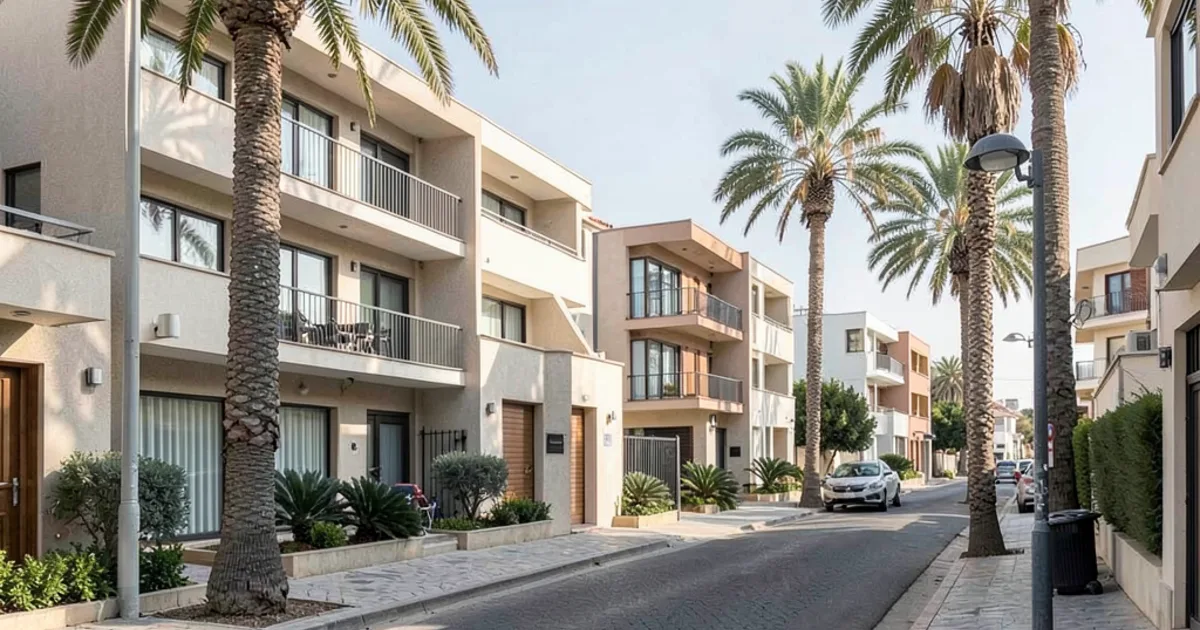
Welcome to Caesarea, Israel's epitome of luxury living. Acquiring a new villa, whether it's a freshly built masterpiece or a plot ready for your dream home, is an exciting milestone. However, transforming a property into a functional residence involves a crucial, albeit sometimes intricate, step: connecting essential utilities. This comprehensive guide from CaesareaRealEstate is designed to demystify the process of establishing electricity, water, and internet services for your new home, ensuring a smooth and stress-free transition into your exclusive Caesarean lifestyle.
- Understanding the Israeli Utility Landscape: Key Players and Processes
- The Critical First Step: Property Ownership and Documentation
- Connecting Electricity: Navigating the Israel Electric Corporation (IEC)
- Establishing Water Supply: Local Municipalities and Regional Authorities
- Internet Connectivity: Choosing Your Provider and Setup
- Additional Considerations for a Newly Built Villa or Plot
- Understanding Property Taxes and Other Ongoing Charges: Arnona and Va'ad Bayit
- Navigating Language Barriers and Seeking Assistance
- The Timeline for Utility Connections: What to Expect
- Budgeting for Connection Fees and Initial Costs
- Ongoing Management: Bills, Payments, and Customer Service
Understanding the Israeli Utility Landscape: Key Players and Processes
Before delving into specific utility connections, it's crucial to understand the overarching framework of utility provision in Israel. Unlike some countries with competitive markets for all services, Israel's essential utilities like electricity and water are primarily managed by government-owned or regulated entities. This means a standardized process, but also emphasizes the importance of following specific protocols and documentation requirements.
The primary entities you'll be interacting with are the Israel Electric Corporation (IEC) for electricity and your local municipal water corporation for water, which in Caesarea falls under the regional water authority. Internet services, however, operate within a more competitive market, offering various providers for both infrastructure and service. Familiarizing yourself with these key players is the first step towards a successful utility setup.
The process often begins even before property ownership is fully transferred, with certain preliminary steps or inquiries advisable during the purchase phase. While the core connections will occur post-ownership, understanding potential infrastructure requirements for a plot to build, for instance, can save significant time and resources. Being proactive and informed will undoubtedly streamline your experience as a new homeowner in Caesarea.
The Critical First Step: Property Ownership and Documentation
Before any utility company will even consider connecting services, irrefutable proof of property ownership is paramount. This foundational requirement ensures that services are not illicitly connected and that billing is directed to the rightful owner. The primary document attesting to your ownership in Israel is the 'Tabu' (Land Registry) extract, which officially records you as the proprietor.
While awaiting the final Tabu registration, which can sometimes take a period after the sale, a binding purchase agreement ('Heskem Mekhirah') or a 'Zichron Devarim' (memorandum of understanding) that has been formally registered, along with proof of payment of 'Mas Rekhisha' (purchase tax), can often serve as interim documentation. It's crucial to consult with your legal counsel regarding the specific documents acceptable to utility providers in your unique situation.
For properties that are still under construction or a 'plot to build,' the process might involve demonstrating ownership of the land and presenting approved building permits. Utility companies need assurance that the structure being built is legitimate and will eventually be occupied legally. Always have all relevant legal and municipal documents readily accessible, as this will significantly expedite your application processes across all utility types.
Connecting Electricity: Navigating the Israel Electric Corporation (IEC)
Connecting electricity is often the most critical and, at times, the most involved utility setup. The Israel Electric Corporation (IEC) holds a monopoly on electricity supply and infrastructure. Your first step will be to contact the IEC directly, either online, via phone, or at one of their service centers, to initiate a new connection request. Be prepared to provide your property address, personal identification (Teudat Zehut or passport for foreign residents), and proof of ownership.
For a newly constructed villa or a 'plot to build,' the process will involve an initial inspection by an IEC technician to assess the site's readiness for connection. This includes verifying that the main electrical panel is correctly installed by a licensed electrician, that all internal wiring meets Israeli standards, and that the property has a valid 'Form 4' (Tofes 4), which is a municipal occupancy permit confirming the structure is safe and habitable. Without Form 4, a permanent connection is typically not possible.
Once the site is approved and all documentation is submitted, the IEC will install the electricity meter and activate the service. There will be connection fees, which can vary based on the type of connection (e.g., single-phase vs. three-phase) and the complexity of the installation. It's advisable to inquire about these fees upfront and factor them into your budget. Maintaining open communication with your electrician and the IEC throughout this stage is key to a smooth activation.
Establishing Water Supply: Local Municipalities and Regional Authorities
Water supply in Caesarea, like much of Israel, is managed at a municipal or regional level. You will need to contact the relevant water corporation serving the Caesarea area. This typically involves submitting an application for a new water connection, along with proof of property ownership and personal identification. For a new villa, similar to electricity, a 'Form 4' (Tofes 4) is usually a prerequisite for a permanent water connection.
The water corporation will also conduct an inspection to ensure that the internal plumbing system of your villa, installed by a certified plumber, meets all relevant Israeli standards and regulations. This includes verifying the proper installation of the main water meter and ensuring there are no leaks or issues that could lead to water wastage. Compliance with these standards is not just a regulatory requirement but also crucial for efficient water usage.
Upon successful inspection and documentation, the water meter will be installed, and service will be activated. You will be responsible for a connection fee and, subsequently, for monthly water bills based on consumption. Understanding the tariff structure, which often includes a fixed charge and tiered consumption rates, is beneficial. Also, be aware of the 'Arnona' (municipal property tax), which often includes a component for water infrastructure maintenance, though actual water usage is billed separately.
Internet Connectivity: Choosing Your Provider and Setup
Unlike electricity and water, the internet market in Israel is competitive, offering a variety of infrastructure providers and service providers. This means you have choices, which can lead to better deals and service packages. The two main infrastructure providers are Bezeq and HOT, which lay the physical lines (fiber optic or cable) to your property. You then choose an internet service provider (ISP) like Partner, Cellcom, or others, to provide the actual internet service over these lines.
Your first step is to check which infrastructure is available at your specific Caesarea address. Newer villas in Caesarea are increasingly equipped with fiber optic infrastructure, offering superior speeds. You can usually check availability on the websites of Bezeq or HOT by entering your address. Once you know what's available, you can compare packages from various ISPs, considering factors like download/upload speeds, data limits (though most are unlimited now), and customer service reputation.
After selecting an ISP, they will arrange for an installation technician to visit your villa. This technician will connect your home to the main infrastructure line, install a router, and ensure your internet service is active. It's advisable to schedule this appointment once you have electricity and ideally water, as the technician will need power for their equipment. Be prepared to discuss your specific needs, such as Wi-Fi coverage for a large villa, to ensure optimal setup.
Additional Considerations for a Newly Built Villa or Plot
For those building a new villa from scratch on a 'plot to build,' the utility connection process has additional layers. Before permanent connections can be made, you'll likely need temporary utility connections during the construction phase. This involves separate applications to the IEC and water authority for temporary power and water, which are essential for construction work. These temporary connections are often simpler to obtain but have their own set of regulations and fees.
The most crucial document for a newly constructed villa is the 'Tofes 4' (Form 4), or the occupancy permit. This document, issued by the local municipality, certifies that the building has been constructed according to approved plans and meets all safety and structural standards. Without Form 4, permanent electricity, water, and sometimes even internet connections will be significantly delayed or outright denied. Ensure your architect and contractor prioritize obtaining this permit.
Furthermore, for a 'plot to build,' you'll need to ensure that the necessary infrastructure (e.g., conduits for electricity cables, water pipes) has been laid from the main utility lines to your property boundary during the initial stages of construction. Your architect and contractor should coordinate with the relevant utility companies to plan and execute these infrastructure connections correctly, avoiding costly retrofits later on.
Understanding Property Taxes and Other Ongoing Charges: Arnona and Va'ad Bayit
Beyond direct utility bills, new homeowners in Caesarea will encounter other ongoing charges related to their property. The most significant is 'Arnona,' the municipal property tax. This tax is levied by the local authority (Caesarea Development Corporation, in conjunction with the Hof HaCarmel Regional Council) and is calculated based on the size and type of your property. It covers a range of municipal services, including sanitation, street lighting, and maintenance of public areas.
Arnona bills are typically issued quarterly or annually, and prompt payment is essential to avoid penalties. New homeowners should proactively register with the local municipality to ensure they receive their Arnona bills and avoid accumulating arrears. For those eligible, certain discounts or exemptions may apply, such as for new immigrants (Olim Hadashim) or specific demographics, though these are subject to strict criteria.
For villas within managed communities or developments, you might also encounter 'Va'ad Bayit' (homeowners' association) fees. While less common for standalone villas on private plots, some exclusive neighborhoods or shared facilities might involve such charges. These fees typically cover maintenance of common areas, security services, or specialized amenities within a defined residential complex. It's important to clarify any such obligations during the purchase process.
Navigating Language Barriers and Seeking Assistance
While many utility companies and municipal offices in Israel have English-speaking representatives, navigating complex processes in a foreign language can still be challenging. Don't hesitate to seek assistance if you encounter difficulties. Many real estate agents, including CaesareaRealEstate, offer post-purchase support or can recommend reliable service providers who can assist with utility connections. This can be invaluable for non-Hebrew speakers.
Consider engaging a local 'ulpan' (Hebrew language school) or a private tutor if you plan to reside in Israel long-term; even basic Hebrew can significantly ease interactions. For immediate needs, a trusted bilingual friend, family member, or a professional administrative assistant can help translate documents, make phone calls, and accompany you to appointments. The goal is to ensure clear communication to avoid misunderstandings and delays.
Furthermore, various online resources and expat forums dedicated to living in Israel often provide practical advice and shared experiences regarding utility connections. While these can be helpful, always verify information directly with the official utility providers or your legal counsel, as regulations and procedures can change. Rely on official sources for the most accurate and up-to-date guidance.
The Timeline for Utility Connections: What to Expect
The timeline for connecting utilities can vary significantly depending on several factors, including whether you're connecting to an existing property or a newly built villa, the specific utility, and the current workload of the providers. Electricity and water connections for a fully approved, existing villa can sometimes be activated within a few days to a couple of weeks, assuming all documentation is in order and no infrastructure work is required.
For a newly constructed villa or a 'plot to build,' the process will inevitably take longer, as it depends on the completion of construction, the issuance of 'Form 4,' and subsequent inspections by utility companies. This could range from several weeks to a few months after the building is structurally complete and certified. It's crucial to factor these potential delays into your move-in plans and to coordinate closely with your contractor and legal team.
Internet installation is generally the quickest, often completed within a few days to a week after signing up with an ISP, once electricity is available. However, if new infrastructure (e.g., fiber optic lines) needs to be laid to your property, this could extend the timeline. Proactive engagement with all service providers, submitting complete documentation, and following up regularly are the best strategies to minimize delays and ensure a timely connection of all essential services.
Budgeting for Connection Fees and Initial Costs
Connecting utilities is not free, and it's essential to budget for various fees and initial costs. For electricity, you'll encounter connection fees charged by the Israel Electric Corporation, which can vary based on the required capacity (e.g., standard residential vs. higher capacity for a large villa) and whether a new meter installation or significant infrastructure work is needed. These fees are typically a one-time charge.
Similarly, the local water corporation will levy connection fees for establishing your water service and installing the water meter. These fees contribute to the cost of infrastructure and the administrative effort involved in setting up a new account. For both electricity and water, you might also be required to pay a deposit, which is refundable upon termination of service, assuming all bills are paid.
For internet, you'll typically pay an installation fee to your chosen ISP, which covers the technician's visit and equipment setup (router, etc.). Beyond these initial setup costs, remember to budget for your first month's utility bills, which will start accruing as soon as services are activated. Being aware of these financial obligations upfront helps in managing your overall expenses for your new Caesarea villa.
Ongoing Management: Bills, Payments, and Customer Service
Once your utilities are connected, managing your accounts efficiently becomes the next step. Electricity bills from the IEC are typically issued every two months, while water bills from the municipal corporation might be monthly or bi-monthly, depending on the local authority. Internet bills are almost universally monthly. Most providers offer various payment options, including direct debit from an Israeli bank account ('Hora'at Keva'), online payments, or payment at post offices.
It's highly recommended to set up direct debit for all your utility bills. This ensures timely payments, prevents service interruptions due to forgotten bills, and often comes with automatic notifications. Many companies also offer online portals or mobile applications where you can view your consumption, download past bills, and manage your account details. Familiarizing yourself with these digital tools can greatly simplify utility management.
For any queries, service issues, or changes to your account, you'll need to contact the respective utility's customer service department. While English-speaking representatives are often available, patience and clear communication are key. Keep your account numbers and property details handy when calling. Proactive monitoring of consumption and regular review of bills can help identify any anomalies early on.
FAQ
What is 'Form 4' and why is it so important for utility connections in Caesarea?
Form 4 (Tofes 4) is an occupancy permit issued by the local municipality, certifying that a newly built property is safe and ready for habitation. It is a critical prerequisite for obtaining permanent electricity, water, and sometimes internet connections for new villas in Israel.
Can I connect utilities if I've only purchased a 'plot to build' in Caesarea?
For a 'plot to build,' you'll typically need to arrange for temporary utility connections for construction purposes. Permanent connections for electricity and water will only be granted once the villa is built and has received its 'Form 4' occupancy permit.
How do I choose an internet provider in Caesarea, given the options?
First, check which infrastructure (Bezeq or HOT) is available at your address. Then, compare service providers (ISPs) like Partner or Cellcom based on speed packages, pricing, customer service, and any special offers. Consider your usage needs and budget.
What is 'Arnona' and is it related to my utility bills?
Arnona is a municipal property tax levied by the local authority, covering services like sanitation and public area maintenance. While it's a regular property charge, it is separate from your direct electricity, water, or internet consumption bills, though it may include a component for general water infrastructure.
Get your personalised shortlist
Listings and up-to-date info, straight to your inbox, free, no obligation.
See Caesarea villas →