What is the timeline and typical costs for obtaining building permits for a custom villa on a private plot in Caesarea?
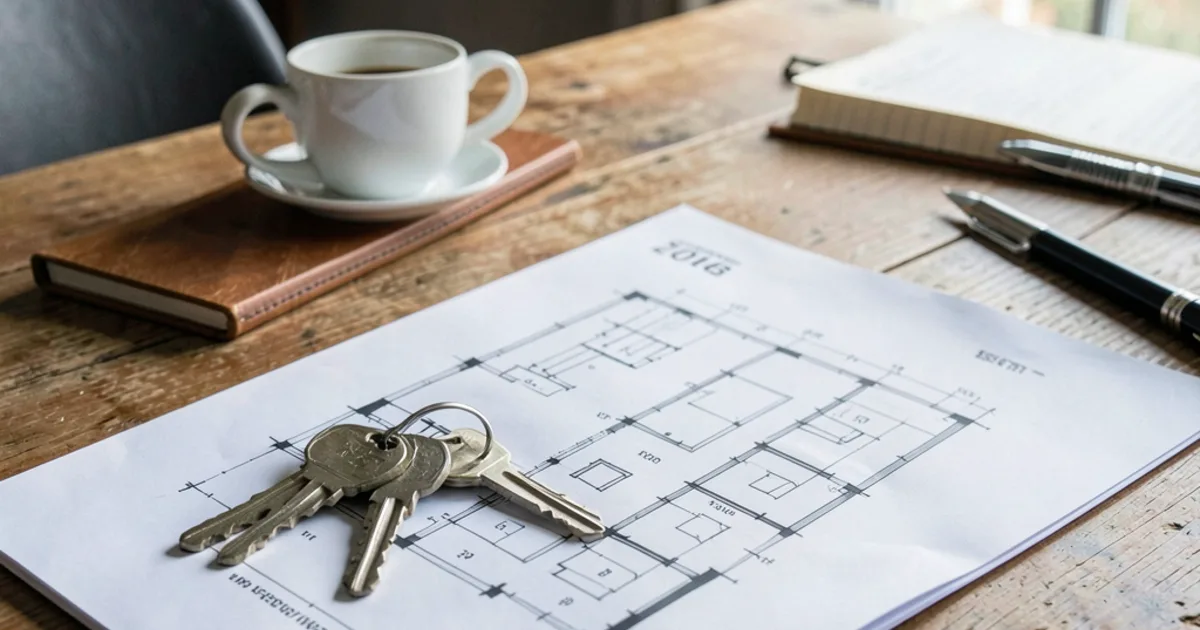
Building a custom villa on a private plot in Caesarea, Israel's most exclusive address, is an aspiration for many seeking unparalleled luxury and lifestyle. However, transforming this dream into reality involves navigating a multi-faceted process, particularly concerning building permits. This comprehensive guide aims to illuminate the typical timeline and associated costs, providing a realistic overview for prospective homeowners and investors.
- Understanding the Unique Context of Caesarea Real Estate
- The Initial Phase: Plot Acquisition and Due Diligence
- Assembling Your Professional Team: Architects, Engineers, and Consultants
- The Design Phase: From Concept to Detailed Plans
- The Building Permit Application Submission and Review
- Typical Timeline for Building Permit Approval in Caesarea
- Understanding the Costs Associated with Building Permits
- Typical Cost Categories (Excluding Construction)
- Post-Permit: Supervising Construction and Final Approvals
- Navigating Potential Challenges and Mitigating Risks
- The Value Proposition of a Custom Villa in Caesarea
- Expert Advice from CaesareaRealEstate
Understanding the Unique Context of Caesarea Real Estate
Caesarea, managed by the Caesarea Development Corporation (CDC), operates under a distinct regulatory framework compared to other municipalities in Israel. This unique governance impacts everything from zoning laws to building restrictions, demanding a specialized understanding from all stakeholders involved in a construction project. Prospective buyers of private plots and those planning custom builds must acknowledge these nuances from the outset to avoid potential delays or unforeseen complications.
The emphasis in Caesarea is often on maintaining the area's aesthetic integrity, historical significance, and high-end character. This translates into specific architectural guidelines, material preferences, and sometimes even density restrictions that are more stringent than in other areas. Engaging with local experts who are intimately familiar with the CDC's requirements and preferences is not merely advisable but often essential for a smooth permit application process.
Furthermore, the value proposition of a custom villa in Caesarea extends beyond the mere structure; it encompasses the exclusivity of the address, the quality of life, and the potential for long-term appreciation. Understanding this broader context helps to justify the meticulous planning and investment required for a project of this caliber. The regulatory environment is designed to preserve this unique value, which ultimately benefits all property owners in the long run.
The Initial Phase: Plot Acquisition and Due Diligence
Before even contemplating building permits, the foundational step involves acquiring a suitable private plot. This process itself requires significant due diligence. Prospective buyers must verify the plot's registration in the Tabu (Israel Land Registry) to ensure clear title and ownership, free from encumbrances. A thorough legal review is paramount to prevent future disputes over property lines, easements, or other potential legal challenges.
During this phase, it's also crucial to investigate the plot's specific zoning designation and any existing building rights. Understanding the permitted building envelope, maximum allowable construction area, and height restrictions at this early stage can significantly influence architectural plans and overall project feasibility. This information is typically available from the local planning committee or through a qualified architect or surveyor.
Financial considerations during acquisition include the Mas Rekhisha (purchase tax), which is a significant expense for property transactions in Israel. The exact percentage can vary based on factors such as the buyer's residency status and whether it's their sole property. Engaging with a real estate attorney and a tax advisor is indispensable to accurately calculate these costs and structure the purchase effectively.
Assembling Your Professional Team: Architects, Engineers, and Consultants
The success of your custom villa project hinges significantly on the expertise of your chosen professional team. An experienced architect, intimately familiar with Caesarea's planning regulations and aesthetic sensibilities, is your primary guide through the design and permitting process. Their ability to translate your vision into a compliant and constructible design is critical.
Beyond the architect, you will require a structural engineer to ensure the villa's integrity and adherence to Israeli building codes, a civil engineer for site development and infrastructure considerations, and potentially a landscape architect to integrate the outdoor spaces seamlessly. Other specialists, such as interior designers, electrical engineers, and plumbing engineers, will also play vital roles in the detailed design phases.
Selecting professionals who have a proven track record in Caesarea specifically can streamline the permit application process. Their existing relationships with local planning authorities and their understanding of specific local interpretations of national regulations can prove invaluable. It's advisable to interview several candidates, review their portfolios, and obtain detailed proposals outlining their scope of work and fee structures.
The Design Phase: From Concept to Detailed Plans
Once your team is assembled, the design phase commences. This iterative process begins with conceptual sketches, evolving into preliminary designs that reflect your aesthetic preferences, functional requirements, and budget. Crucially, these designs must also begin to incorporate the specific zoning and building restrictions applicable to your Caesarea plot. Early consultation with the planning department or a pre-application meeting can help identify potential issues.
Following preliminary approval, detailed architectural plans are developed. These include floor plans, elevations, sections, and site plans, all drawn to scale and meticulously detailing every aspect of the proposed villa. This stage often involves several revisions as your vision is refined and brought into compliance with all relevant regulations, including those concerning accessibility, energy efficiency, and fire safety.
Concurrently, engineering plans for structural elements, utilities (water, sewage, electricity), and drainage are prepared. All these plans must be coordinated to ensure a cohesive and constructible design. The quality and completeness of these detailed plans are paramount, as any deficiencies can lead to significant delays during the permit review process. This phase can be extensive, often spanning several months depending on the complexity of the design and the number of revisions.
The Building Permit Application Submission and Review
With a comprehensive set of detailed plans and supporting documents, your architect will formally submit the building permit application to the local planning and building committee (often referred to as 'Va'ada Mekomit'). This submission typically includes architectural drawings, engineering calculations, site surveys, environmental impact assessments (if required), and various declarations from the professional team. The documentation must be precise and complete.
The committee then undertakes a rigorous review process. This involves checking compliance with national building codes, local zoning ordinances, and specific Caesarea Development Corporation guidelines. Various departments, including sanitation, fire safety, and infrastructure, will review the plans. They may request clarifications, amendments, or additional information, which can prolong the review period.
Public notification is also a component of the process for certain types of applications, allowing neighbors or interested parties to raise objections. While less common for single-family homes on private plots, it's a possibility to be aware of. Addressing any objections effectively and promptly is key to preventing significant delays. This entire review process can take a substantial period, often ranging from several months to even longer for complex projects or if multiple revisions are required.
Typical Timeline for Building Permit Approval in Caesarea
While exact timelines are difficult to predict due to project-specific variables and administrative workloads, a realistic expectation for obtaining a building permit for a custom villa in Caesarea typically spans a significant period. From the initial detailed design submission to final approval, one should generally anticipate a timeframe that can range from approximately 9 to 18 months, and in some complex cases, potentially longer. This duration does not include the time spent on plot acquisition or the initial conceptual design phases.
The review process by the local planning committee and various governmental agencies often constitutes the longest segment of this timeline. Each round of comments, revisions, and resubmissions adds to the overall duration. Factors such as the completeness and accuracy of the initial submission, the complexity of the villa's design, and the responsiveness of the professional team to queries all play a crucial role in determining the speed of approval.
Proactive engagement with the planning authorities, thorough preparation of all documentation, and an experienced professional team who can anticipate potential issues are vital for minimizing delays. While challenging, expediting the process often comes down to meticulous planning and a deep understanding of the regulatory landscape. Patience and persistence are key virtues during this phase.
- Plot Acquisition & Initial Due Diligence: 3-6 months (can vary widely)
- Architectural & Engineering Design (Detailed Plans): 6-12 months
- Building Permit Application Submission & Review: 9-18 months (highly variable)
- Issuance of Permit (after all conditions met): 1-2 months
Understanding the Costs Associated with Building Permits
The costs associated with obtaining a building permit in Caesarea are multi-faceted and extend beyond simple application fees. These expenses are a significant component of your overall project budget and must be carefully accounted for. They include professional fees for your architectural and engineering team, various governmental levies, and potentially other statutory charges. It's crucial to understand that these are primarily administrative and design-related costs, separate from the actual construction expenses.
Professional fees for architects, structural engineers, civil engineers, and other consultants typically represent a substantial portion of the permit-related expenses. These fees are usually calculated as a percentage of the estimated construction cost or based on a fixed fee for specific deliverables. Engaging highly experienced professionals, while potentially more costly upfront, can often save money in the long run by avoiding costly errors and delays.
Governmental fees include the permit application fee itself, which varies based on the size and complexity of the proposed construction. Additionally, there are often fees for connecting to municipal infrastructure (water, sewage, electricity), and various levies related to planning and development. These fees are statutory and non-negotiable, and their exact calculation will be provided by the local authority upon application. It's important to budget for these systematically.
Typical Cost Categories (Excluding Construction)
When budgeting for the permit process, it's helpful to break down the costs into distinct categories. The largest portion will generally be allocated to professional fees. This encompasses the architect's design fees, which can range significantly based on the architect's reputation and the complexity of the project. Similarly, fees for structural, civil, and other specialized engineers are substantial, ensuring the structural integrity and functionality of the villa.
Another significant cost category involves various governmental and municipal charges. These include the actual permit application fee, which is determined by the local planning committee based on the size and type of construction. Additionally, there are development levies (Hitlei Pituch) that contribute to the local infrastructure, and connection fees for essential services like water, sewage, and electricity. These can amount to a considerable sum, often calculated per square meter of construction or based on specific service requirements.
Finally, there are miscellaneous but essential costs such as surveying fees to accurately map the plot, legal fees for reviewing contracts and ensuring compliance, and potentially fees for specialized reports like environmental assessments or soil tests if deemed necessary by the authorities. While individually smaller, these can accumulate. It's prudent to allocate a contingency fund for unforeseen expenses within this phase, as complexities can arise.
Post-Permit: Supervising Construction and Final Approvals
Receiving the building permit is a significant milestone, but it's not the end of the regulatory journey. During the construction phase, strict adherence to the approved plans is mandatory. The local planning committee and various inspectors will conduct periodic site visits to ensure compliance with the permit conditions, building codes, and safety regulations. Any deviations without prior approval can lead to stop-work orders and significant penalties.
Your architect and engineers will typically provide construction supervision services, ensuring that the contractor executes the work according to their designs and specifications. This oversight is crucial for maintaining quality, addressing unforeseen site conditions, and resolving any technical issues that may arise. Proper documentation of the construction process, including progress reports and inspection records, is also vital.
Upon completion of the villa, a final inspection will be conducted by the local authority to verify that all work has been carried out in accordance with the approved permit. Only after this final inspection and the rectification of any outstanding issues will an 'Occupancy Permit' (Tofes 4, Form 4) or similar final approval be issued. This document is essential for connecting permanent utilities and legally occupying the property, marking the true completion of the project from a regulatory standpoint.
Navigating Potential Challenges and Mitigating Risks
Even with meticulous planning, building a custom villa in Caesarea can present unforeseen challenges. One common hurdle involves unexpected soil conditions or archaeological findings, which can necessitate design changes, additional engineering work, and potentially significant delays. Engaging in thorough site investigations early on can help mitigate some of these risks, but a contingency budget and flexible timeline are always advisable.
Regulatory changes or new interpretations of existing laws can also impact a project mid-stream. While rare, staying informed through your professional team about any evolving planning policies is important. Furthermore, disputes with contractors or suppliers, though not directly related to permits, can indirectly affect timelines if they cause work stoppages. Clear contracts and robust project management are key to minimizing these operational risks.
Communication breakdowns, whether within your professional team or with the planning authorities, can lead to costly misunderstandings and delays. Maintaining open, clear, and consistent communication channels is paramount. A designated project manager, often the architect, can serve as the central point of contact, ensuring all stakeholders are aligned and informed throughout the complex process.
The Value Proposition of a Custom Villa in Caesarea
Despite the complexities and significant investment involved in building a custom villa in Caesarea, the long-term value proposition remains compelling. The exclusivity of the location, coupled with the bespoke nature of a custom-designed home, creates a unique asset. Property values in Caesarea have historically demonstrated resilience and appreciation, driven by demand for high-end living in a prime coastal location.
Beyond financial returns, a custom villa offers an unparalleled lifestyle tailored precisely to your preferences. The ability to design every aspect of your home, from architectural style to interior finishes and smart home integrations, results in a living space that perfectly embodies your vision of luxury and comfort. This personalized environment enhances the quality of life and provides a deep sense of ownership and satisfaction.
Furthermore, owning property in Caesarea is an investment in a community known for its prestige, security, and natural beauty. The stringent planning regulations, while demanding, contribute to maintaining the area's high standards and desirability, safeguarding your investment for the future. The enduring appeal of this exclusive address ensures that a well-built, custom villa remains a highly sought-after commodity.
Expert Advice from CaesareaRealEstate
As your trusted advisor, CaesareaRealEstate emphasizes the importance of a strategic and informed approach to building your custom villa. Our primary recommendation is to engage with local experts from the very beginning, a real estate agent with deep Caesarea market knowledge, a reputable real estate attorney, and an architect experienced with the CDC's regulations. This foundational team will significantly streamline your journey.
We also advise budgeting generously, not just for construction but for all associated permit and professional fees. Allocate a substantial contingency fund to absorb unforeseen expenses without derailing your project. Understanding that the timeline for permits is often longer than anticipated will help manage expectations and reduce stress throughout the process.
Finally, maintaining clear communication with your entire project team and the planning authorities is paramount. Proactive engagement, thorough documentation, and a patient, persistent approach are the hallmarks of a successful custom build in Caesarea. We are here to guide you through every step, leveraging our expertise to make your dream home a reality.
FAQ
What is the average duration for securing a building permit in Caesarea?
While highly variable, the process from detailed plan submission to final permit approval typically ranges from 9 to 18 months, not including initial plot acquisition and conceptual design phases. Complex projects or those requiring significant revisions may take longer.
What are the main cost categories related to building permits in Caesarea?
Key cost categories include professional fees for architects and engineers, governmental permit application fees, municipal development levies (Hitlei Pituch), and connection fees for utilities like water, sewage, and electricity. Miscellaneous costs such as surveying and legal fees also apply.
Do I need an architect familiar with Caesarea's specific regulations?
Absolutely. An architect with proven experience in Caesarea and familiarity with the Caesarea Development Corporation's unique regulations and aesthetic guidelines is crucial. Their expertise can significantly streamline the design and permitting process, avoiding costly delays.
What is the 'Tabu' and why is it important in the permit process?
The 'Tabu' is Israel's Land Registry, and it's vital for verifying clear ownership and boundaries of your plot. Ensuring the property is properly registered and free from encumbrances is a foundational step before any building permit application can be considered.
Are there specific architectural styles or materials preferred in Caesarea?
Yes, Caesarea often has specific architectural guidelines and preferences aimed at maintaining the area's high-end aesthetic and historical character. Your architect will be familiar with these requirements, which can influence material choices, building heights, and overall design elements.
Get your personalised shortlist
Listings and up-to-date info, straight to your inbox, free, no obligation.
See Caesarea villas →