Are there any specific cultural considerations or community norms a new immigrant should be aware of when buying in Caesarea?
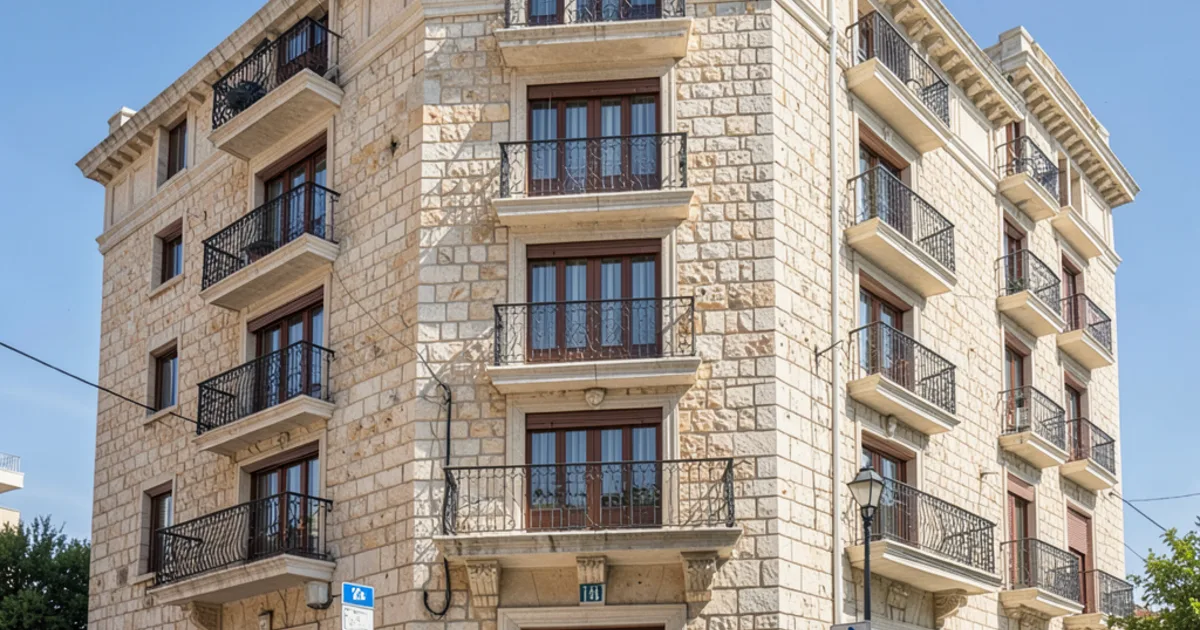
Caesarea, a jewel on Israel's Mediterranean coast, offers an unparalleled lifestyle of luxury, history, and natural beauty. For new immigrants, or 'Olim Chadashim,' considering making Caesarea their home, understanding the local cultural nuances and community norms is as crucial as navigating the real estate market itself. This in-depth guide aims to provide a comprehensive overview, ensuring a smoother transition and a more fulfilling experience as you integrate into this exclusive and vibrant community.
- Understanding Caesarea's Unique Demographic and Community Spirit
- Navigating Social Etiquette and Interpersonal Dynamics
- Understanding Religious Observance and Holiday Traditions
- The Role of Family and Education in Caesarea
- Navigating the Real Estate Market: Key Israeli Terms and Processes
- Integrating through Language and Local Services
- Understanding the Israeli Work Ethic and Professional Environment
- Leisure, Recreation, and Community Engagement
- Anticipating and Overcoming Challenges as a New Immigrant
Understanding Caesarea's Unique Demographic and Community Spirit
Caesarea is renowned for its affluent and diverse population, attracting both Israeli and international residents seeking a high quality of life. The community is characterized by a significant number of professionals, entrepreneurs, and retirees, many of whom are well-traveled and globally connected. This demographic contributes to a sophisticated yet welcoming atmosphere, where privacy is valued but community engagement is also appreciated.
While predominantly Jewish, the community embraces a range of religious observances, from secular to more traditional. This means that while Jewish holidays and traditions are deeply woven into the fabric of daily life, there's a general respect for individual practices. New immigrants will find a balance between a strong sense of national identity and an openness to diverse backgrounds, fostering a unique blend of Israeli and cosmopolitan influences.
The community spirit in Caesarea often manifests through various social clubs, cultural events, and volunteer initiatives. Residents frequently participate in activities centered around the golf course, equestrian clubs, and local cultural centers. Engaging with these groups can be an excellent way for new immigrants to meet like-minded individuals and integrate into the social fabric, fostering a sense of belonging beyond just geographic proximity.
It's important to note that while Caesarea offers a luxurious lifestyle, it maintains a relatively understated elegance rather than overt ostentation. There's an appreciation for quality, aesthetics, and privacy, which defines much of the social interaction and community expectations. Understanding this subtle yet significant aspect can help new residents adapt more comfortably.
Navigating Social Etiquette and Interpersonal Dynamics
Israeli social interactions, even in an exclusive community like Caesarea, tend to be more direct and informal than in some Western cultures. Politeness is valued, but direct communication is often preferred, and personal space can be less emphasized in casual conversations. A firm handshake is a common greeting, and maintaining eye contact is a sign of attentiveness and respect.
Hospitality is a cornerstone of Israeli culture, and Caesarea is no exception. Expect to be invited for Shabbat meals or holiday gatherings once you've established connections. It's customary to bring a small gift for the host, such as flowers, wine, or a dessert. Reciprocating invitations, when appropriate, is a wonderful way to build lasting relationships and show your appreciation.
While English is widely spoken, especially among the international residents and younger generations, making an effort to learn some basic Hebrew phrases will be greatly appreciated. Even a few words can go a long way in showing your commitment to integrating and connecting with the local culture. This effort demonstrates respect and can open doors to deeper interactions within the community.
Conversations can sometimes be passionate and animated, which might be perceived as aggressive by those from more reserved cultures. However, this is often simply a reflection of Israeli directness and enthusiasm. Learning to interpret these dynamics without taking them personally is key to adapting comfortably. Topics of conversation often include family, current events, and local happenings, but it's generally wise to avoid overly sensitive political or religious discussions until you know people better.
Understanding Religious Observance and Holiday Traditions
As a community in Israel, Jewish holidays and traditions play a significant role in the rhythm of life in Caesarea. Shabbat, the Sabbath, begins at sunset on Friday and ends at sunset on Saturday, during which many businesses close, and families gather. While Caesarea is not considered a strictly religious community, there's a general respect for Shabbat, and public amenities often operate on a reduced schedule.
Major Jewish holidays like Rosh Hashanah, Yom Kippur, Sukkot, and Passover are observed throughout the year. These periods often involve community gatherings, special prayers, and family meals. New immigrants should be aware of these dates, as they can impact travel plans, business operations, and social engagements. Many residents participate in synagogue services or communal celebrations during these times.
While there are synagogues in and around Caesarea, the level of religious observance among residents varies widely. Some residents are secular, others observe traditions to varying degrees, and some are more religiously observant. This diversity means that there isn't a single expectation regarding religious practice, allowing new residents to find their comfort zone without feeling pressured.
Respect for religious customs, even if not personally observed, is a key aspect of fitting into the community. For instance, being mindful of dietary laws (Kosher) when invited to someone's home, or understanding the significance of certain rituals, demonstrates cultural sensitivity. Embracing the cultural richness these traditions bring can enhance your experience of living in Israel.
The Role of Family and Education in Caesarea
Family is central to Israeli culture, and this is strongly reflected in Caesarea. Multi-generational families often live in close proximity, and family gatherings are frequent and cherished. For new immigrants with children, understanding this emphasis on family can be beneficial for integrating into the community and building social networks. Playdates, school events, and family-oriented activities are common.
Education is highly valued in Caesarea, with residents often seeking out the best educational opportunities for their children. There are various private and public schools in the area, offering different educational philosophies and curricula. Researching these options thoroughly is crucial for new immigrant families, as the Israeli education system might differ significantly from what they are accustomed to.
Many families in Caesarea invest in supplementary education, including English language lessons, music, or sports. Engaging children in these activities can provide excellent opportunities for them to make friends and adapt to their new environment. Parents often form strong bonds through school committees and extracurricular groups, which can be valuable for adult integration as well.
The community also offers various youth movements and enrichment programs that foster a sense of belonging and cultural identity. These programs can be particularly helpful for immigrant children in navigating their new surroundings and forming connections outside of school. Understanding the educational landscape and family-centric approach will be vital for a smooth transition.
Navigating the Real Estate Market: Key Israeli Terms and Processes
The real estate market in Caesarea, while exclusive, follows standard Israeli legal procedures. One of the first and most critical steps is securing a reputable real estate agent who specializes in the Caesarea market and understands the needs of international clients. They will guide you through the complexities, from identifying suitable properties (Villas, Plots to build, Apartments) to negotiating terms.
A crucial legal step is registering the property with the 'Tabu' (Land Registry Office). This ensures that the property is legally transferred into your name and provides clear ownership. Your lawyer will handle this process, ensuring all documents are in order and the transfer is executed correctly. It is imperative to have legal representation throughout the entire transaction.
New immigrants should be aware of various taxes associated with property purchase. 'Mas Rekhisha' (Purchase Tax) is levied on the acquisition of real estate, with rates varying based on the property's value and whether it is the buyer's sole residence. Your legal counsel will provide a precise calculation based on current regulations. Additionally, if you sell a property in the future, 'Mas Shevah' (Capital Gains Tax) may apply to any profit made.
Financing a property in Israel often involves obtaining a 'Mashkanta' (mortgage). Israeli banks offer various mortgage products, and it's advisable to compare terms and interest rates. The process involves credit checks, property appraisals, and often requires a significant down payment. Consulting with a mortgage broker who specializes in immigrant financing can be highly beneficial in navigating these requirements.
Upon agreement, a 'Zichron Devarim' (binding memorandum of understanding) or a full purchase agreement is signed, outlining the terms of sale. It is absolutely essential to have a lawyer review any document before signing. Following the purchase, you will be responsible for 'Arnona' (municipal property tax) and other local levies, which contribute to local services and infrastructure. Understanding these financial commitments upfront is crucial for budgeting and long-term planning.
- **Tabu (טאבו):** The official land registration office, verifying legal ownership.
- **Mas Rekhisha (מס רכישה):** Purchase tax on real estate transactions.
- **Mas Shevah (מס שבח):** Capital gains tax on property sale profits.
- **Mashkanta (משכנתא):** An Israeli mortgage.
- **Arnona (ארנונה):** Municipal property tax.
- **Zichron Devarim (זיכרון דברים):** A binding memorandum of understanding, often a preliminary agreement.
Integrating through Language and Local Services
While English is commonly spoken, especially in business and among the younger generation, learning Hebrew is the most effective way to truly integrate into Israeli society and the Caesarea community. Enrolling in an 'Ulpan' (intensive Hebrew language school) is highly recommended for new immigrants. Many cities offer subsidized Ulpan programs, and some private options are also available.
Beyond formal language learning, immersing yourself in the local environment will accelerate your Hebrew acquisition. Watch Israeli TV, listen to Hebrew radio, and try to converse with locals, even if it's just a few words. Don't be afraid to make mistakes; Israelis generally appreciate the effort and are often willing to help.
Familiarizing yourself with local services, from healthcare to banking and utilities, is another critical step. Understanding how these systems operate, what documents are required, and who to contact will significantly ease your transition. Many service providers offer English-speaking representatives, but having some Hebrew proficiency will always be an advantage.
Caesarea offers various community centers and resources that can assist new immigrants. These centers often provide information on local events, social groups, and support networks. Proactively seeking out these resources can help you quickly feel at home and connected within your new environment. Don't hesitate to ask for recommendations from real estate agents or other new immigrants.
Understanding the Israeli Work Ethic and Professional Environment
For those planning to work in Israel, understanding the local professional culture is key. Israelis are known for their innovation, directness, and strong work ethic. The workplace environment can be dynamic and fast-paced, with a focus on problem-solving and efficiency. Hierarchy might be less rigid than in some other cultures, and open communication with superiors is often encouraged.
Networking is incredibly important in the Israeli professional world. Attending industry events, joining professional associations, and leveraging personal connections can be invaluable for career development. Even in Caesarea, with its unique demographic, professional relationships are often built on trust and personal rapport.
Working hours can vary, but a typical work week is five days, Sunday through Thursday, with Friday and Saturday being the weekend. This might be a significant adjustment for those coming from countries with a Monday-Friday work week. Being aware of public holidays and their impact on business operations is also essential.
Patience and adaptability are valuable traits when navigating the Israeli professional scene. While processes might sometimes seem less formal or structured, the underlying drive for success and innovation is strong. Embrace the direct communication style and focus on building genuine relationships, as these are often highly valued in the Israeli workplace.
Leisure, Recreation, and Community Engagement
Caesarea is synonymous with a high-quality lifestyle, offering an abundance of leisure and recreational opportunities. The community's centerpiece is often the Caesarea Golf Club, attracting enthusiasts from across the country. Beyond golf, residents enjoy equestrian activities, tennis, and a range of water sports along the beautiful Mediterranean coast.
The Caesarea National Park, with its ancient Roman ruins and stunning archaeological sites, provides a backdrop for cultural exploration and leisurely strolls. Many community events, concerts, and festivals are held within the park, offering excellent opportunities to engage with fellow residents and immerse yourself in local culture.
Socializing in Caesarea often revolves around cafes, restaurants, and private gatherings. The community boasts a selection of fine dining establishments and charming eateries, perfect for both casual meet-ups and special occasions. Residents also frequently host guests in their homes, reflecting the strong emphasis on hospitality.
Beyond organized activities, simply enjoying the natural beauty of Caesarea, walking along the beach, cycling through scenic routes, or relaxing in one of the many green spaces, is a significant part of the lifestyle. These informal settings also provide opportunities for chance encounters and building connections within the community. Active participation in local events and initiatives is key to feeling truly at home.
Anticipating and Overcoming Challenges as a New Immigrant
Moving to a new country and a new community, even one as welcoming as Caesarea, inevitably presents challenges. The initial phase, often referred to as the 'honeymoon period,' can be followed by moments of culture shock or frustration. This is a normal part of the immigration process, and anticipating these feelings can help in managing them.
Bureaucracy in Israel can sometimes be perceived as complex or slow, especially for those unfamiliar with the system. From opening bank accounts to dealing with government offices, patience and persistence are often required. Don't hesitate to seek assistance from fellow immigrants, dedicated 'Olim' (immigrant) support organizations, or professional service providers who specialize in assisting new arrivals.
Language barriers, even with a basic understanding of Hebrew, can still be a source of occasional difficulty. Misunderstandings can arise, and navigating complex situations in a non-native language requires extra effort. Continuing with Ulpan and actively practicing Hebrew will gradually alleviate this challenge.
Building a social circle takes time and effort. While Caesarea is welcoming, new immigrants should actively seek out opportunities to meet people, whether through community events, hobbies, or volunteering. Don't be discouraged if connections don't form instantly; genuine relationships develop over time. Persistence, an open mind, and a willingness to engage are your best assets in overcoming these initial hurdles and truly flourishing in Caesarea.
FAQ
Is Caesarea a suitable community for families with young children who are new immigrants?
Absolutely. Caesarea highly values family life and offers excellent educational facilities, including schools and extracurricular activities. Many families with young children reside here, creating a supportive environment for new immigrant families to integrate and thrive.
What is the general attitude towards non-observant or secular Jewish immigrants in Caesarea?
Caesarea is a diverse community with a wide range of religious observances, from secular to traditionally observant. There is a general atmosphere of mutual respect for individual practices, allowing non-observant immigrants to feel comfortable and integrated without pressure.
How important is it to learn Hebrew when moving to Caesarea, given that many residents speak English?
While many residents, especially in business and among younger generations, speak English, learning Hebrew is highly recommended for true integration. It shows respect for the local culture, facilitates daily interactions, and opens doors to deeper community engagement and understanding.
Are there specific community groups or resources in Caesarea that cater to new immigrants?
Yes, Caesarea, being an affluent and international community, often has various informal and formal groups. While dedicated 'Olim' centers might be in nearby larger cities, local community centers, social clubs, and expatriate networks often provide valuable support and resources for new immigrants to connect.
Get your personalised shortlist
Listings and up-to-date info, straight to your inbox, free, no obligation.
See Caesarea villas →