Best international schools and education options near Caesarea
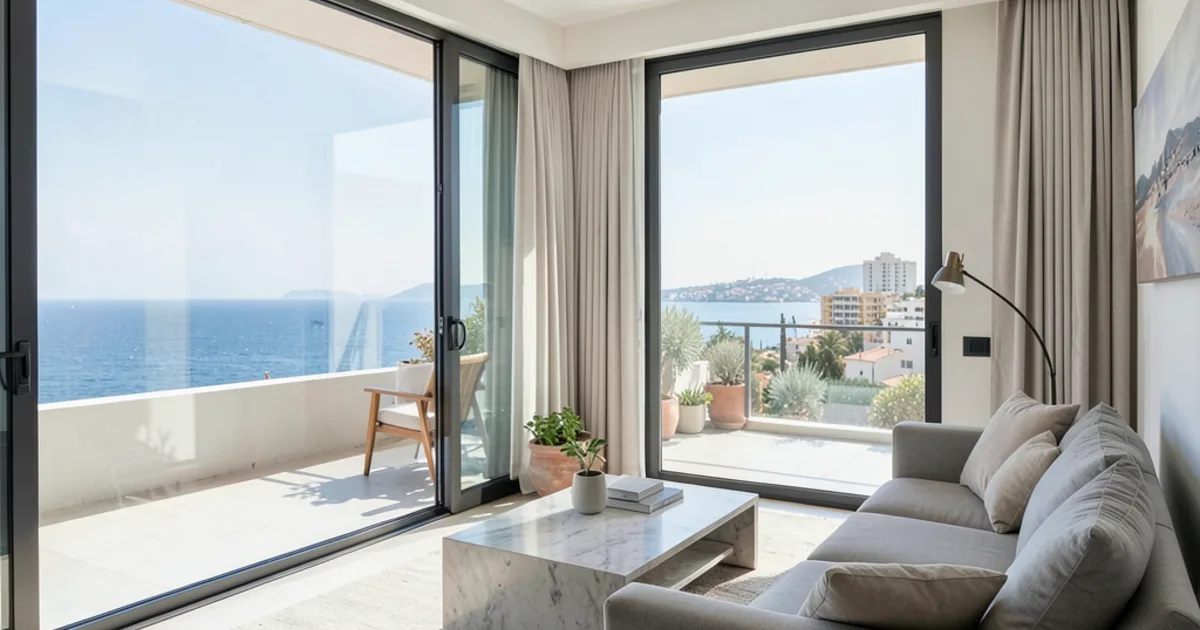
Moving to Caesarea represents a pinnacle of Mediterranean living, offering unparalleled prestige and tranquility. However, for families with children, the decision is rarely just about the view or the golf course. The availability of high-quality international schooling is often the deciding factor in a successful relocation to this exclusive coastal enclave.
- Why Education is the Cornerstone of Your Caesarea Relocation
- Understanding the Landscape of International Schooling in Israel
- Top-Tier International School Hubs Near the Caesarea Coast
- Navigating Curriculum Choices: IB, British, and American Standards
- The Role of Language: Balancing English and Hebrew
- Extracurricular Enrichment and Coastal Lifestyle Activities
- Logistics and Commuting: Connecting Caesarea to Educational Hubs
- Real Estate Strategy: Choosing a Home with Schooling in Mind
- Navigating the Legalities of Property Acquisition in Israel
- Financial Planning: Mortgages and Taxation
- Preparing for the Social Transition
Why Education is the Cornerstone of Your Caesarea Relocation
Choosing a residence in Caesarea is a lifestyle decision that extends far beyond the immediate aesthetics of a luxury villa or a beachfront apartment. For many international families, the primary objective is to secure a stable, high-quality environment where their children can thrive academically and socially. While the prestige of the address is undeniable, the long-term success of a relocation often hinges on the proximity and quality of educational institutions.
A successful move requires balancing the desire for a serene, low-density coastal lifestyle with the practical necessity of accessing educational hubs. Families often find themselves weighing the tranquility of a large plot in Caesarea against the potential convenience of living closer to the major schooling corridors. This decision impacts not only daily schedules but also the long-term social integration of the entire family unit.
Furthermore, the educational choice serves as a bridge between the family's current lifestyle and their future aspirations. Whether a child is preparing for university in the United Kingdom, the United States, or a global institution, the curriculum chosen must align with those goals. Therefore, viewing education as a core component of your real estate strategy is essential for a seamless transition to Israeli life.
- Alignment with global university entrance requirements
- Balance between coastal tranquility and educational access
- Long-term social integration for children and parents
- Impact on daily family logistics and commuting patterns
Understanding the Landscape of International Schooling in Israel
The educational landscape in Israel is diverse, offering a variety of paths that cater to both local residents and the international community. For expatriates, the focus is typically on international schools that provide an English-medium instruction and follow recognized global frameworks. These institutions are designed to minimize the academic disruption that often accompanies a move between countries.
These schools are not merely academic centers; they are cultural hubs that bring together families from across the globe. This creates a unique environment where children are exposed to a wide array of perspectives, fostering the global citizenship that many modern parents prioritize. This international atmosphere can provide a sense of familiarity and security during the initial stages of relocation.
When evaluating these options, it is important to distinguish between different types of international schooling. Some institutions focus on a holistic, inquiry-based approach, while others adhere to highly structured national curricula from abroad. Understanding these nuances is critical to ensuring the school matches your child's learning style and your family's cultural expectations.
- English-medium instruction for academic continuity
- Diverse student bodies fostering global perspectives
- Varied pedagogical approaches (Inquiry-based vs. Structured)
- Alignment with international university standards
Top-Tier International School Hubs Near the Caesarea Coast
While Caesarea itself offers a quiet and prestigious residential environment, the most prominent international schools are located in the neighboring coastal hubs. The region between Caesarea and Tel Aviv serves as a major educational corridor, hosting several high-end institutions. Families residing in the more tranquil parts of the coast often look toward these hubs for their children's schooling.
The area of Herzliya Pituach is particularly notable for its concentration of premium educational facilities. This hub is highly favored by the expat community due to its proximity to both luxury residential areas and major commercial centers. Many families choose to live in the serene surroundings of Caesarea while utilizing the sophisticated educational infrastructure available in Herzliya.
Further south, the Tel Aviv metropolitan area offers a vast array of international options, ranging from specialized primary schools to large-scale secondary institutions. While the commute from Caesarea to Tel Aviv is longer, the sheer variety of curricula and extracurricular opportunities can be a significant draw. Netanya also serves as a relevant secondary hub for those looking for options slightly closer to the northern coast.
- Herzliya Pituach: The primary hub for premium international education
- Tel Aviv: A diverse center for specialized and large-scale institutions
- Netanya: A convenient option for the northern coastal corridor
- The coastal corridor: A strategic route for educational access
Navigating Curriculum Choices: IB, British, and American Standards
One of the most critical decisions for relocating families is selecting the appropriate curriculum. The International Baccalaureate (IB) is widely regarded for its holistic and rigorous approach, emphasizing critical thinking and global awareness. It is an excellent choice for students who intend to pursue higher education at top-tier universities worldwide, as it is recognized globally.
The British curriculum, characterized by GCSEs and A-Levels, offers a highly structured and academic pathway. This system is often the preferred choice for families with strong ties to the United Kingdom or those who value a clear, subject-specific progression. It provides a predictable and well-established framework that many international students find comfortable.
Alternatively, many families opt for the American curriculum, which often emphasizes a broader range of subjects and a more flexible credit system. This model is particularly beneficial for students aiming for universities in the United States, as it aligns closely with American high school graduation requirements. These schools often place a heavy emphasis on well-roundedness, including extracurricular involvement and leadership skills.
- IB: Holistic, inquiry-based, and globally recognized
- British: Structured, academic, and focused on GCSE/A-Levels
- American: Flexible, broad-based, and optimized for US university paths
- Curriculum alignment: Matching the school to future university goals
The Role of Language: Balancing English and Hebrew
For many expatriate families, language is both a bridge and a barrier. While international schools provide an English-medium academic environment, the ability to communicate in Hebrew is essential for successful long-term integration. A bilingual approach is often the most effective way to ensure that children can navigate both their academic lives and their social lives in Israel.
For parents, enrolling in an intensive *ulpan* (Hebrew language school) is a highly recommended step in the relocation process. Learning the local language facilitates much smoother interactions with local municipalities, service providers, and the wider community. It also helps in managing the practicalities of daily life, from understanding local news to navigating administrative tasks.
Children often pick up Hebrew naturally through social interaction, but formal support can accelerate this process. Many families find that a combination of English-led academics and Hebrew-focused extracurriculars provides the best balance. This ensures that while their academic foundation remains solid, their ability to connect with their new home grows steadily.
- English-medium instruction for academic continuity
- Ulpan programs for adult language integration
- Bilingualism as a tool for social and cultural connection
- The importance of Hebrew for navigating local administration
Extracurricular Enrichment and Coastal Lifestyle Activities
Education in the Caesarea and central coastal region extends well beyond the confines of the classroom. The unique geography of the Mediterranean coast provides a wealth of opportunities for physical and creative development. For many students, these activities are just as vital to their growth as their formal academic studies.
Water-based activities are a natural part of the lifestyle here. Many international schools and local clubs offer excellent programs in sailing, swimming, and other maritime sports. These activities not only promote physical health but also build character and resilience through the mastery of new skills in a coastal environment.
Beyond the water, the region is well-equipped with equestrian centers and high-quality tennis facilities. Engaging in these sports allows children to build social networks outside of their school environment and provides a healthy outlet for energy. For expat families, these extracurricular activities often become the primary way to meet other families with similar interests.
- Maritime sports: Sailing and swimming in the Mediterranean
- Equestrian activities: High-quality riding and equestrian clubs
- Athletic development: Tennis and other organized sports
- Social benefits: Building connections through shared interests
Logistics and Commuting: Connecting Caesarea to Educational Hubs
The practical reality of living in Caesarea while attending school in a nearby hub is the daily commute. While the drive is scenic, it requires careful planning to navigate the traffic patterns of the central coastal corridor. Understanding the timing of the morning and afternoon rush hours is essential for maintaining a balanced family routine.
To mitigate the stress of commuting, many families utilize dedicated school bus services provided by the international institutions. These services are highly organized and offer a safe, reliable way for children to travel between the residential areas of Caesarea and the schools in Herzliya or Tel Aviv. This also allows children to socialize with their peers during the journey.
For those who prefer more flexibility, private vehicle transport is the standard. However, this necessitates a reliable vehicle and an understanding of the local road networks. Families should consider the impact of travel time on their daily schedules, ensuring that the commute does not detract from family time or extracurricular commitments.
- Managing the daily commute via the coastal corridor
- Utilizing dedicated school bus services for reliability
- Private vehicle transport and its flexibility
- Planning around peak traffic hours to optimize travel time
Real Estate Strategy: Choosing a Home with Schooling in Mind
When searching for property, families must decide between the immediate convenience of a luxury apartment in a central hub and the expansive lifestyle of a villa in Caesarea. An apartment in a hub like Herzliya may offer a shorter commute, but a villa in Caesarea provides the space, privacy, and prestige that many international families crave.
For families looking to build their own dream home, selecting a plot of land requires a strategic approach. It is important to consider not only the size and location of the plot but also its proximity to the primary school routes. A well-chosen plot can offer the perfect balance of a secluded lifestyle with manageable access to the educational centers.
The type of property also influences the long-term value and suitability for a growing family. A large villa with multiple bedrooms and garden space is often more conducive to the needs of children, providing areas for play and outdoor activities. When evaluating property, always consider how the layout and location will serve your family's educational and social needs over the next decade.
- Villa vs. Apartment: Balancing space and convenience
- Plot selection: Strategic placement for school access
- Long-term suitability: Planning for family growth
- Lifestyle considerations: Privacy versus proximity
Navigating the Legalities of Property Acquisition in Israel
The process of buying real estate in Israel involves several technical and legal steps that must be handled with precision. A foundational step is ensuring that the property is correctly registered in the *Tabu* (the official land registry). This ensures that the ownership is clear and that there are no unforeseen legal encumbrances on the land or building.
Families must also be prepared for the various taxes associated with the purchase. *Mas Rekhisha* (purchase tax) is a significant cost that varies depending on the type of property and the buyer's specific circumstances. It is essential to include these tax considerations in your initial budget to avoid any liquidity issues during the closing process.
Before signing any agreements, a thorough review of the binding memorandum is mandatory. This document is the legal backbone of the transaction and outlines all terms, conditions, and obligations of both the buyer and the seller. It is highly recommended to have a professional review this document to protect your interests and ensure a smooth transition into your new home.
- Verification of ownership through the *Tabu* (land registry)
- Budgeting for *Mas Rekhisha* (purchase tax)
- The importance of a professional review of the binding memorandum
- Legal due diligence to ensure a secure transaction
Financial Planning: Mortgages and Taxation
Securing a *Mashkanta* (mortgage) in Israel is a major component of the relocation budget. The local mortgage market has its own specific structures and interest rate models, which can differ significantly from those in other countries. It is vital to consult with local financial experts to understand the best terms for your specific financial profile.
Beyond the purchase price and taxes, families must account for ongoing municipal costs. *Arnona* (municipal property tax) is a recurring expense that is based on the size and location of the property. While it is a standard part of Israeli living, it should be factored into your monthly household budget to ensure long-term financial stability.
For those selling property in their home country to fund the move, understanding *Mas Shevah* (capital gains tax) is crucial. This tax applies to the profit made from the sale of real estate and can impact the total amount of liquid capital available for your Israeli property purchase. Proper planning can help optimize your capital for the transition to the Mediterranean coast.
- Navigating the *Mashkanta* (mortgage) landscape
- Accounting for ongoing *Arnona* (municipal tax) costs
- Managing *Mas Shevah* (capital gains tax) from property sales
- Comprehensive budgeting for relocation and property ownership
Preparing for the Social Transition
The move to Caesarea is a profound life event that requires emotional and social preparation for the entire family. Transitioning from a familiar environment to a new culture can be challenging, particularly for children who are leaving friends and established routines behind. Acknowledging these challenges is the first step toward a successful integration.
Building a local support network is one of the most effective ways to ease this transition. Many international families find community through school networks, local expat groups, and social clubs. These connections provide not only emotional support but also practical advice on navigating life in a new country.
Ultimately, the goal is to move beyond being a visitor and to become a member of the community. By engaging with local culture, learning the language, and participating in local activities, families can turn a relocation into a true new beginning. The combination of a beautiful home in Caesarea and a strong social foundation creates a life of unparalleled quality.
- Emotional preparation for children and adults
- Building social networks through school and community
- Engaging with local culture for deeper integration
- Turning relocation into a long-term lifestyle success
FAQ
How far is Caesarea from the main international schools?
Most major international schools are located in the Herzliya and Tel Aviv areas. This typically results in a commute of approximately 30 to 50 minutes, depending on traffic and your specific location within the Caesarea region.
Do I need to learn Hebrew for my children to attend international schools?
While the academic instruction in these schools is primarily in English, learning Hebrew is highly beneficial for social integration. It allows children to interact more easily with the local community and participate in broader social activities outside of school.
Are school bus services available for students living in Caesarea?
Yes, many reputable international schools offer dedicated bus services that cover the coastal areas, including Caesarea. This is a popular and convenient option for many families to manage the daily commute efficiently.
What is the main difference between IB and British curricula?
The IB curriculum is known for its holistic, inquiry-based approach and global focus, whereas the British curriculum is often more structured and follows a specific academic path through GCSEs and A-Levels. The choice depends on your child's learning style and future university goals.
Can I build a custom villa on a plot near the schools?
Yes, it is possible to purchase a plot of land to build a custom home, provided you adhere to local zoning and development regulations. It is essential to verify the land's status in the *Tabu* and consult with local professionals during the planning process.
Get your personalised shortlist
Listings and up-to-date info, straight to your inbox, free, no obligation.
See Caesarea villas →