Buying a villa in Caesarea: a guide for foreign buyers
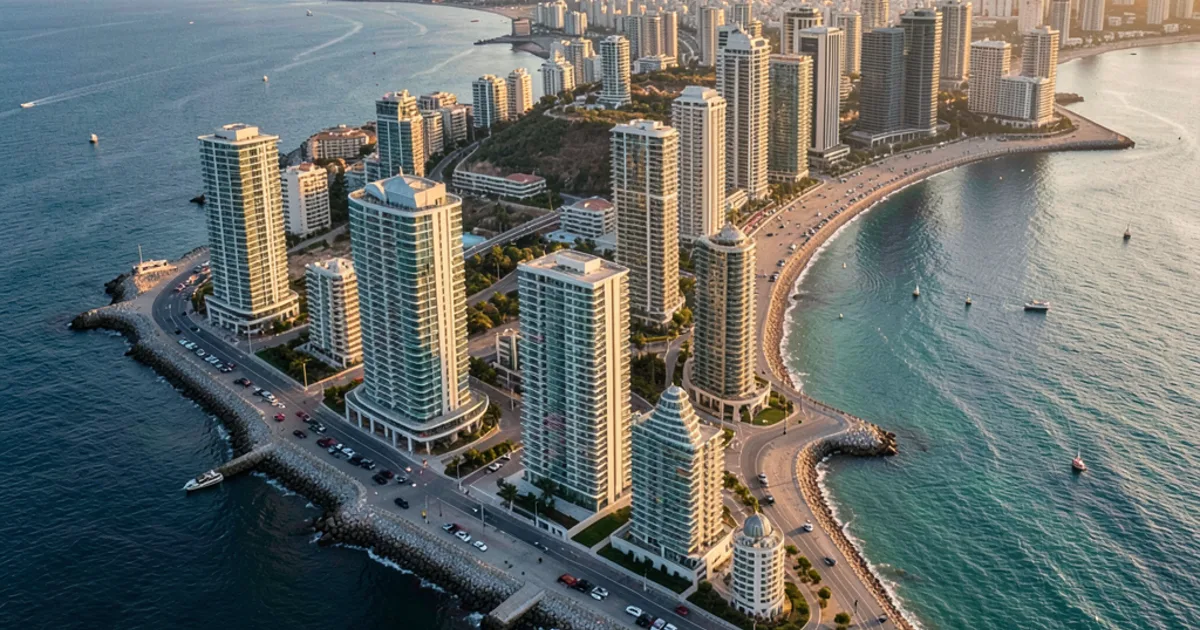
Caesarea, a town steeped in ancient history and adorned with modern sophistication, presents an enticing prospect for international buyers seeking a luxurious lifestyle or a strategic investment in Israel. Its unique blend of Roman ruins, pristine Mediterranean beaches, and exclusive residential communities makes it a highly coveted destination. This comprehensive guide is meticulously crafted for foreign buyers, offering a deep dive into the nuances of purchasing a villa in Caesarea, from understanding local regulations to navigating financial considerations and embracing the unique culture.
- The Allure of Caesarea: Why Choose This Prestigious Location?
- Understanding Property Ownership for Foreigners in Israel
- Navigating the Israeli Real Estate Market: Key Considerations
- Financial Aspects: Taxes and Fees for Foreign Buyers
- Securing Financing: The 'Mashkanta' (Mortgage) Process
- The Purchase Process: Step-by-Step for a Smooth Transaction
- Legal Due Diligence: What Your Attorney Will Examine
- Post-Purchase Considerations: Utilities, Maintenance, and Residency
- Cultural Integration and Lifestyle in Caesarea
The Allure of Caesarea: Why Choose This Prestigious Location?
Caesarea stands out as a prime location for discerning foreign buyers due to its exceptional quality of life and strategic positioning. The town offers a tranquil, upscale environment, a stark contrast to the bustling urban centers, yet remains conveniently accessible to major metropolitan areas like Tel Aviv. Its meticulously maintained infrastructure, including world-class golf courses, a picturesque port, and exclusive dining establishments, caters to a sophisticated clientele.
Beyond the tangible amenities, Caesarea offers a rich cultural tapestry. Residents and visitors alike can immerse themselves in thousands of years of history, with well-preserved archaeological sites forming an integral part of the town's identity. The community itself is often described as tight-knit and international, fostering an environment where newcomers can easily integrate and enjoy a high standard of living, making it an ideal choice for a permanent residence or a luxurious vacation home.
Understanding Property Ownership for Foreigners in Israel
Foreigners are generally permitted to purchase real estate in Israel, including villas in coveted locations like Caesarea. However, it's crucial to understand that the process involves specific legal frameworks that differ from many other countries. The majority of land in Israel is owned by the Israel Land Authority (ILA), and properties are often acquired through a long-term leasehold arrangement rather than outright freehold. While this is a common practice in Israel and offers secure tenure, it's a key distinction for international buyers to grasp.
Engaging with a reputable Israeli real estate attorney specializing in foreign transactions is paramount from the outset. They will guide you through the intricacies of land registration, ensure clear title, and explain the nuances of leasehold agreements. Understanding the legal landscape before committing to a purchase is not just advisable; it's essential for a smooth and secure transaction, protecting your investment and ensuring compliance with all Israeli laws.
Navigating the Israeli Real Estate Market: Key Considerations
The Israeli real estate market, particularly in high-demand areas like Caesarea, operates with its own set of conventions and dynamics. It's characterized by a robust demand, often leading to a competitive environment. Properties are typically marketed through real estate agents, who play a pivotal role in connecting buyers with suitable villas and facilitating negotiations. It's advisable to work with an agent who has extensive experience in Caesarea and a proven track record of assisting foreign clients.
Beyond the agent, understanding the valuation process is crucial. While official appraisals are common, market sentiment and specific property characteristics heavily influence pricing. Be prepared for a negotiation process that may differ from what you're accustomed to, and always rely on your legal counsel to review all contractual terms. Patience and thorough due diligence are key to successfully navigating this unique market.
Financial Aspects: Taxes and Fees for Foreign Buyers
Acquiring property in Israel involves several financial obligations beyond the purchase price, particularly for foreign buyers. One of the most significant is the 'Mas Rekhisha' (Purchase Tax), which is levied on the acquisition of real estate. The rates for foreign residents can differ from those for Israeli citizens, and they are progressive, meaning higher property values incur higher tax percentages. It's imperative to obtain precise calculations from your attorney or a tax advisor early in the process to accurately budget for this expense.
Other costs include legal fees for your attorney, real estate agent commissions (typically paid by both buyer and seller, though customs can vary), and potential land registration fees. If you plan to finance your purchase, there will also be associated mortgage fees. Furthermore, ongoing property taxes (Arnona) and maintenance fees for common areas or specific community services will be recurring expenses. A comprehensive financial plan, detailing all these costs, is essential before making an offer.
Securing Financing: The 'Mashkanta' (Mortgage) Process
For many foreign buyers, securing a 'Mashkanta' (mortgage) from an Israeli bank is a necessary step. While Israeli banks are generally open to lending to non-residents, the terms and conditions can be more stringent compared to those offered to Israeli citizens. LTV (Loan-to-Value) ratios might be lower, and interest rates could be different. Banks will typically require extensive documentation, including proof of income, financial statements from your home country, and often a significant down payment.
The application process can be complex and time-consuming, requiring careful preparation of all necessary paperwork. It is highly recommended to engage with a mortgage broker who specializes in assisting foreign clients. They can navigate the various Israeli banks, compare offers, and help you present your financial profile in the most favorable light, significantly streamlining the process and potentially securing better terms. Starting this process early is crucial to avoid delays in your property acquisition.
The Purchase Process: Step-by-Step for a Smooth Transaction
The process of buying a villa in Caesarea typically begins with identifying suitable properties, often with the assistance of a local real estate agent. Once a property of interest is found, an offer is made, which may be followed by a period of negotiation. Upon agreement on the price and general terms, a 'Zichron Devarim' (Memorandum of Understanding) might be signed, though this is not always legally binding and should be approached with caution, ideally with legal counsel present.
The crucial next step involves extensive due diligence conducted by your attorney, including checking the property's title deed, planning permits, and any outstanding debts or liens. Following satisfactory due diligence, a formal 'Heskem Mekhira' (Purchase Agreement) is drafted and signed by both parties. This comprehensive document outlines all the terms and conditions of the sale, payment schedules, and obligations. Payments are typically made in installments, often tied to specific milestones in the transaction, with the final payment exchanged upon transfer of ownership and possession.
Legal Due Diligence: What Your Attorney Will Examine
Thorough legal due diligence is the cornerstone of a secure property transaction in Israel. Your chosen real estate attorney will meticulously scrutinize several critical aspects of the property and its ownership. This includes verifying the seller's legal right to sell the property by examining the 'Tabu' (Land Registry) records. These records confirm ownership, any existing mortgages, liens, or encumbrances on the property, and its precise boundaries.
Furthermore, the attorney will investigate compliance with local planning and zoning regulations, ensuring that the villa was constructed legally and that there are no pending demolition orders or unapproved additions. They will also verify that all municipal taxes, utility bills, and any homeowner association fees are current and paid up. This exhaustive examination safeguards your investment by uncovering any potential legal issues or financial liabilities before you commit to the purchase.
Post-Purchase Considerations: Utilities, Maintenance, and Residency
Once the purchase is complete and you've taken possession of your Caesarea villa, several post-purchase steps are necessary to ensure a smooth transition. This includes transferring utility accounts (electricity, water, gas, internet) into your name, which your real estate agent or a local relocation service can often assist with. Understanding the local waste management system and other municipal services is also important for settling in.
Maintaining a luxury villa requires attention to detail. Consider engaging local property management services, especially if you plan to use the villa as a vacation home or rent it out. These services can handle routine maintenance, gardening, pool upkeep, and security. For those considering permanent residency in Israel, understanding the immigration process and potential pathways for 'Aliyah' (immigration to Israel) is a separate but related consideration, which may offer significant benefits and should be explored with an immigration lawyer.
Cultural Integration and Lifestyle in Caesarea
Beyond the transactional aspects, embracing the lifestyle and culture of Caesarea is an integral part of owning a villa there. The town offers a unique blend of ancient history and modern luxury. Residents enjoy access to world-class golf courses, a vibrant port with upscale dining and shopping, and exquisite beaches. The community is often diverse, with a mix of Israeli and international residents, fostering a welcoming environment.
Engaging with local community events, exploring the archaeological park, and participating in local activities can significantly enhance your experience. While Hebrew is the official language, English is widely spoken, particularly in tourist areas and among the more international populace. Understanding local customs and holidays will further enrich your integration into this prestigious and historically rich locale, allowing you to fully appreciate the unique charm of Caesarea.
Your questions, answered.
What are the main differences in property ownership for foreigners compared to Israeli citizens, especially regarding land tenure in Caesarea?
The primary distinction lies in the nature of land ownership. A significant portion of land in Israel, including many properties in Caesarea, is held by the Israel Land Authority (ILA) and is typically acquired through a long-term leasehold arrangement, rather than outright freehold. While this grants secure tenure for many decades, it's different from the freehold ownership common in some other countries. Foreign buyers will enter into these leasehold agreements, which are legally robust but require careful review by an Israeli attorney to understand the specific terms and obligations, including any potential renewal fees or conditions.
Can a foreign buyer obtain a mortgage (Mashkanta) from an Israeli bank to purchase a villa in Caesarea, and what are the typical requirements?
Yes, foreign buyers can generally obtain a Mashkanta from Israeli banks, but the process and requirements can be more stringent than for Israeli citizens. Banks typically require a higher down payment, often resulting in lower Loan-to-Value (LTV) ratios. You will need to provide extensive financial documentation, including proof of income, asset statements, and credit history from your home country. Engaging an experienced Israeli mortgage broker who specializes in foreign clients is highly recommended, as they can navigate the various bank offerings and assist in preparing your application to meet the specific requirements of Israeli financial institutions.
What are the significant tax implications, such as 'Mas Rekhisha' (Purchase Tax), for foreign buyers acquiring a luxury villa in Caesarea?
Foreign buyers are subject to 'Mas Rekhisha' (Purchase Tax), which is a substantial cost and can be higher than for Israeli citizens, especially for luxury properties. The tax is progressive, meaning the percentage increases with the property's value. It's crucial to obtain an accurate calculation of this tax from your Israeli real estate attorney or a specialized tax advisor early in the process. Additionally, foreign owners will be responsible for ongoing municipal property taxes ('Arnona') and potentially other local levies, which should be factored into the overall cost of ownership.
What specific legal due diligence steps should a foreign buyer expect their Israeli attorney to undertake when purchasing a villa in Caesarea?
Your Israeli attorney will conduct comprehensive legal due diligence, which is critical for safeguarding your investment. This includes thoroughly checking the 'Tabu' (Land Registry) to verify the seller's ownership, confirm the property's boundaries, and identify any existing mortgages, liens, or other encumbrances. They will also investigate local planning and zoning regulations to ensure the villa complies with all building permits and that there are no outstanding demolition orders or unapproved additions. Furthermore, the attorney will confirm that all municipal taxes, utility bills, and any homeowner association fees associated with the property are fully paid up and current, preventing any unforeseen liabilities after the purchase.
Get your personalised shortlist
Listings and up-to-date info, straight to your inbox, free, no obligation.
See Caesarea villas →