How do Aliyah benefits specifically reduce the cost of buying a first home apartment in Caesarea for new immigrants?
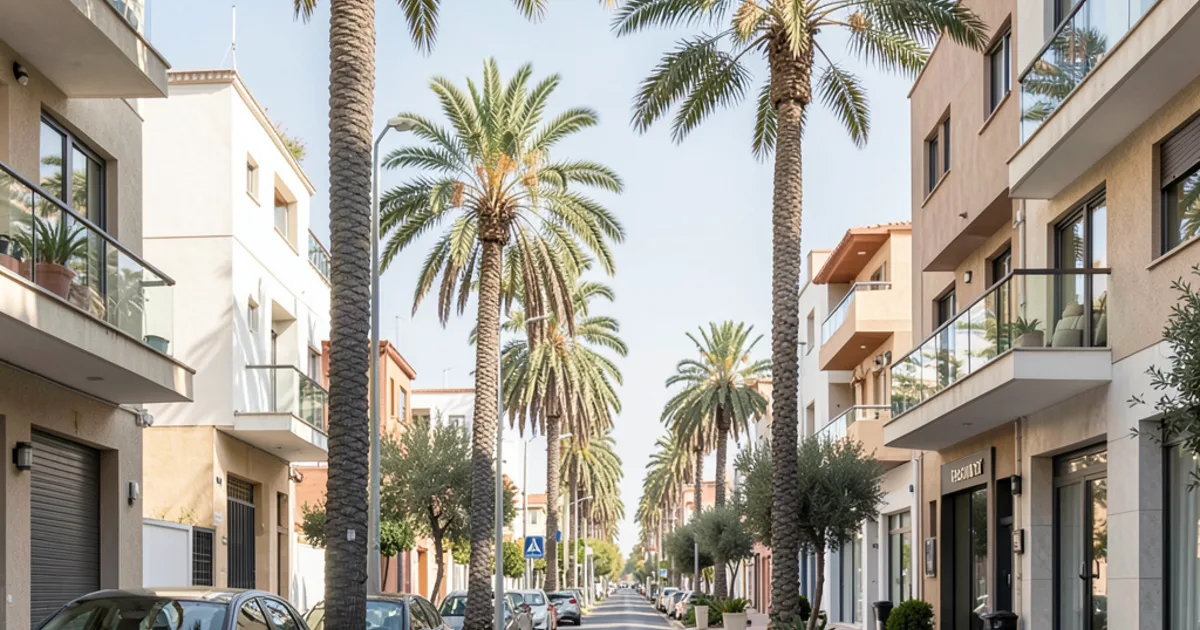
For many new immigrants, the dream of owning a piece of Israel, particularly in a prestigious location like Caesarea, is a powerful motivator for making Aliyah. While the allure of this exclusive coastal community is undeniable, the cost of real estate can seem daunting. However, the Israeli government offers a comprehensive suite of benefits specifically designed to ease the financial burden for Olim (new immigrants), particularly when it comes to purchasing their first home. This in-depth guide will meticulously detail how these Aliyah benefits translate into tangible cost reductions for first-time apartment buyers in Caesarea, transforming what might appear as an impossible dream into a concrete reality.
- Understanding the Aliyah Benefits Framework for Housing
- How Purchase Tax (Mas Rekhisha) Exemptions Provide Significant Savings
- Mortgage (Mashkanta) Assistance and Subsidized Rates
- Bridging the Gap: The Role of Integration Baskets and Initial Grants
- Legal and Administrative Fee Reductions and Assistance
- The Impact of Ulpan and Language Acquisition on Financial Confidence
- Capital Gains Tax (Mas Shevah) Considerations for Future Planning
- Arnona (Municipal Property Tax) Reductions and Eligibility
- Navigating the Process: Practical Steps and Professional Guidance
Understanding the Aliyah Benefits Framework for Housing
The Israeli government's commitment to encouraging Aliyah is reflected in the extensive package of benefits provided to new immigrants. These benefits are multifaceted, encompassing various aspects of integration, from language acquisition to employment support. Crucially, a significant portion of this support is channeled directly towards facilitating housing acquisition, recognizing that a stable home is foundational to successful integration. The framework is designed to address key financial hurdles that new immigrants typically face, differentiating them from established residents.
These housing-related benefits are not merely symbolic gestures; they represent substantial financial relief that can significantly alter the affordability equation for a first home. They are administered through various government ministries and agencies, each playing a role in different aspects of the process. Understanding the overarching structure of these benefits is the first step towards effectively leveraging them for a property purchase in Caesarea, whether it's a modern apartment or a more expansive villa.
It's important to note that while the general principles of these benefits are consistent, the specific details and eligibility criteria can be nuanced. New immigrants are typically eligible for these benefits for a defined period after their Aliyah date, often several years, underscoring the importance of timely planning. This window of opportunity is critical for maximizing the financial advantages available, especially when considering a significant investment like a first apartment in a high-demand area such as Caesarea.
How Purchase Tax (Mas Rekhisha) Exemptions Provide Significant Savings
One of the most impactful financial benefits for new immigrants purchasing their first home is the substantial reduction in Purchase Tax, known as 'Mas Rekhisha.' This tax is levied on all real estate transactions in Israel and can represent a significant percentage of the property's value. For new immigrants, however, the structure of this tax is designed to be far more favorable, offering a considerable discount on the standard rates that apply to other buyers.
Under the Aliyah benefits framework, new immigrants are typically entitled to a reduced rate of Mas Rekhisha for a specific period following their Aliyah date. This preferential rate applies to a certain value threshold of the property, meaning that for a significant portion of the apartment's price, the tax burden is either completely eliminated or drastically lowered. This can translate into savings of many thousands of shekels, directly reducing the upfront capital required for the purchase.
For an apartment in Caesarea, where property values tend to be higher, the impact of this Mas Rekhisha exemption is particularly pronounced. Without this benefit, the purchase tax could add a substantial sum to the total acquisition cost, potentially making certain properties out of reach. With the exemption, a new immigrant can allocate those saved funds towards other aspects of the purchase, such as renovations, legal fees, or simply a larger down payment, thereby strengthening their financial position. It's crucial to understand the specific thresholds and rates applicable at the time of purchase, as these can be subject to adjustments by the Ministry of Finance.
Mortgage (Mashkanta) Assistance and Subsidized Rates
Securing a mortgage, or 'Mashkanta,' is a critical step in purchasing an apartment for most buyers, and new immigrants often face unique challenges. Recognizing this, the government offers various forms of mortgage assistance designed to make financing more accessible and affordable. These benefits can include eligibility for government-backed loans, which may come with more favorable terms than standard commercial bank mortgages.
One key aspect of this assistance is the potential for subsidized interest rates on a portion of the mortgage. While not a full exemption, these subsidies can significantly reduce the monthly mortgage payments over the loan's lifetime, leading to substantial long-term savings. The exact terms and the amount eligible for subsidy are typically tied to factors such as family size and the location of the property, with certain areas receiving additional incentives. This can make a noticeable difference in the overall affordability of an apartment in Caesarea.
Furthermore, new immigrants might find that the eligibility criteria for these government-backed mortgages are more flexible, potentially allowing for lower down payments or more extended repayment periods. This flexibility can be invaluable for individuals or families who are still establishing their financial footing in a new country. Navigating the Mashkanta process requires careful planning and often the assistance of a mortgage broker specializing in Olim benefits to ensure all available advantages are fully utilized.
Bridging the Gap: The Role of Integration Baskets and Initial Grants
Upon making Aliyah, new immigrants receive an 'integration basket' (Sal Klita), a package of financial support designed to help with initial living expenses. While not directly earmarked for property purchase, the strategic management of these funds can indirectly reduce the cost of buying a first home apartment in Caesarea. By covering essential living costs, such as rent, utilities, and daily expenses during the initial period, the Sal Klita allows new immigrants to conserve their personal capital, which can then be directed towards a down payment or closing costs.
Beyond the general integration basket, there are sometimes specific grants or loans available through the Ministry of Aliyah and Integration, though these can vary. These might be targeted towards specific demographics or for housing in particular regions. While Caesarea is a premium location, understanding all available grant programs is essential, as even a modest grant can contribute to reducing the overall financial burden of a down payment or related expenses.
The effective use of these initial funds allows new immigrants to stabilize their financial situation, reducing the pressure to immediately dip into long-term savings or take on additional debt. This financial breathing room is particularly valuable when contemplating a significant investment like an apartment in Caesarea, enabling a more measured and strategic approach to property acquisition. It underscores the holistic nature of Aliyah benefits, where various forms of support collectively contribute to housing affordability.
Legal and Administrative Fee Reductions and Assistance
The process of purchasing real estate in Israel involves various legal and administrative fees, which can add a notable sum to the total cost. These include legal fees for drafting contracts, registration fees at the Tabu (land registry), and potentially other administrative charges. While there isn't a blanket exemption for all these fees, new immigrants may find avenues for reduction or assistance.
Some legal aid organizations or government-sponsored programs might offer subsidized legal services for new immigrants navigating their first home purchase. This can significantly reduce the cost of retaining a lawyer, which is a mandatory and crucial step in ensuring a secure transaction. A competent real estate lawyer will handle due diligence, contract review, and ensure proper registration with the Tabu, protecting the buyer's interests.
Furthermore, understanding the intricacies of the Israeli legal system can be challenging for newcomers. The availability of legal assistance, even if not fully subsidized, can prevent costly errors and delays. By ensuring a smooth and legally sound transaction, these services indirectly reduce the overall cost by avoiding potential future disputes or complications that could incur significant expenses. Proper registration at the Tabu, for instance, confirms ownership and prevents future title issues.
The Impact of Ulpan and Language Acquisition on Financial Confidence
While not a direct financial benefit for housing, the provision of free or heavily subsidized Hebrew language courses (Ulpan) plays a crucial indirect role in reducing the cost of buying a first home apartment in Caesarea. Effective communication in Hebrew is paramount when engaging in complex financial and legal transactions. Being able to understand contracts, negotiate with sellers or their agents, and communicate with bank officials and lawyers in the local language empowers new immigrants.
Without proficiency in Hebrew, new immigrants are often reliant on translators or intermediaries, which can add costs and introduce potential misunderstandings. The confidence gained through Ulpan allows for clearer communication, better comprehension of terms and conditions, and the ability to ask informed questions, potentially leading to better negotiation outcomes or the avoidance of unfavorable clauses. This proactive engagement can result in tangible savings.
Moreover, language proficiency opens doors to better employment opportunities, which in turn strengthens financial stability and borrowing capacity. A higher income directly impacts mortgage eligibility and the ability to afford an apartment in a desirable location like Caesarea. Therefore, while seemingly peripheral, the Ulpan benefit is a foundational element that supports the entire financial journey of a new immigrant, including their home purchase.
Capital Gains Tax (Mas Shevah) Considerations for Future Planning
While the immediate focus for new immigrants is on the cost of acquisition, it's prudent to consider future financial implications, particularly Capital Gains Tax (Mas Shevah). This tax is levied on the profit made from selling real estate. For new immigrants, there are specific exemptions and preferential treatments regarding Mas Shevah that can indirectly contribute to the long-term financial viability of their first home purchase in Caesarea.
Historically, new immigrants have been eligible for certain exemptions or deferrals on Capital Gains Tax for properties acquired within their initial years in Israel, under specific conditions. While these rules can be complex and are subject to change, understanding them from the outset can inform long-term financial planning. Knowing that a future sale might incur a reduced tax burden can influence decisions regarding property upgrades or investment strategies.
This forward-looking benefit means that the effective 'cost' of owning a property in Caesarea, when considering the entire lifecycle of ownership, can be lower for new immigrants compared to established residents. It adds another layer of financial advantage, making the initial investment even more attractive. Consulting with a tax adviser specializing in Aliyah benefits is highly recommended to fully comprehend the nuances of Mas Shevah exemptions and how they apply to specific circumstances.
Arnona (Municipal Property Tax) Reductions and Eligibility
Beyond the initial purchase costs, ongoing expenses like municipal property tax, known as 'Arnona,' can be a significant recurring cost for homeowners. New immigrants, particularly for their first few years, may be eligible for reductions or discounts on Arnona payments. These reductions are typically granted by the local municipality and are designed to ease the financial burden during the integration period.
The specific percentage and duration of Arnona discounts can vary between municipalities, but they generally aim to provide relief for a certain period after Aliyah. For an apartment in Caesarea, where property values and consequently Arnona rates can be higher, these reductions can translate into substantial annual savings. This ongoing financial relief contributes to the overall affordability of maintaining a home in such a prestigious location.
To qualify for Arnona reductions, new immigrants typically need to register with the local municipality and provide documentation of their Aliyah status. It's an administrative step that, once completed, provides continuous savings. This benefit, while not directly impacting the purchase price, significantly lowers the ongoing operational costs of owning an apartment, making the overall financial commitment more manageable.
Navigating the Process: Practical Steps and Professional Guidance
Leveraging Aliyah benefits for a first home purchase in Caesarea requires a methodical approach and often professional guidance. The journey typically begins with securing official Aliyah status and obtaining relevant identification documents. Following this, understanding one's financial standing and eligibility for various benefits is paramount. This involves consulting with the Ministry of Aliyah and Integration and potentially an accountant specializing in immigrant taxation.
The next crucial step is engaging with a reputable real estate agent who understands the Caesarea market and is experienced in working with new immigrants. Such an agent can guide you through available properties, explain local nuances, and connect you with other professionals. Simultaneously, securing legal counsel is non-negotiable. A real estate lawyer will conduct due diligence, ensure the property's title is clear in the Tabu, and draft or review the binding memorandum and subsequent purchase agreement, ensuring all Aliyah benefits are properly accounted for.
Finally, the mortgage application process demands careful attention. Working with a mortgage broker who specializes in 'Olim mortgages' can be highly beneficial. They can navigate the complexities of government-backed loans and secure the most favorable terms, including subsidized rates. This integrated approach, combining government support with expert professional guidance, is the most effective way for new immigrants to maximize their Aliyah benefits and successfully purchase their first apartment in Caesarea.
FAQ
What is the 'Tabu' and why is it important when buying an apartment in Caesarea?
The 'Tabu' is Israel's official land registry, equivalent to a land title office. It's crucial because it records legal ownership of property. Ensuring the property you're buying is correctly registered in the Tabu under the seller's name and has no encumbrances is a fundamental step to secure your ownership.
How does the binding memorandum (Zichron Devarim) fit into the apartment purchase process?
A binding memorandum, or 'Zichron Devarim,' is a preliminary, legally binding agreement outlining the key terms of a property sale before the full detailed contract is signed. While some prefer to skip it, it can secure the deal quickly. It's vital to have legal counsel review it thoroughly as it commits both parties.
Are Aliyah benefits for first-time home buyers applicable to purchasing a plot of land to build a villa in Caesarea?
Generally, Aliyah benefits related to purchase tax and mortgages are designed to apply to the acquisition of a 'first home,' which can include a plot of land intended for immediate construction of a primary residence. However, the exact application and specific thresholds may differ from buying an existing apartment, so expert advice is crucial.
What is the typical timeframe for new immigrants to utilize their Aliyah benefits for a first home purchase?
The eligibility period for most significant Aliyah housing benefits, such as reduced purchase tax, typically extends for a period of several years (e.g., 7 years) from the date of Aliyah. It's essential to confirm the exact duration for each specific benefit, as these timeframes are strictly enforced and can impact eligibility.
Get your personalised shortlist
Listings and up-to-date info, straight to your inbox, free, no obligation.
See Caesarea villas →