How does the purchase process for a plot of land in Caesarea differ for an Oleh Chadash versus an experienced Israeli investor?
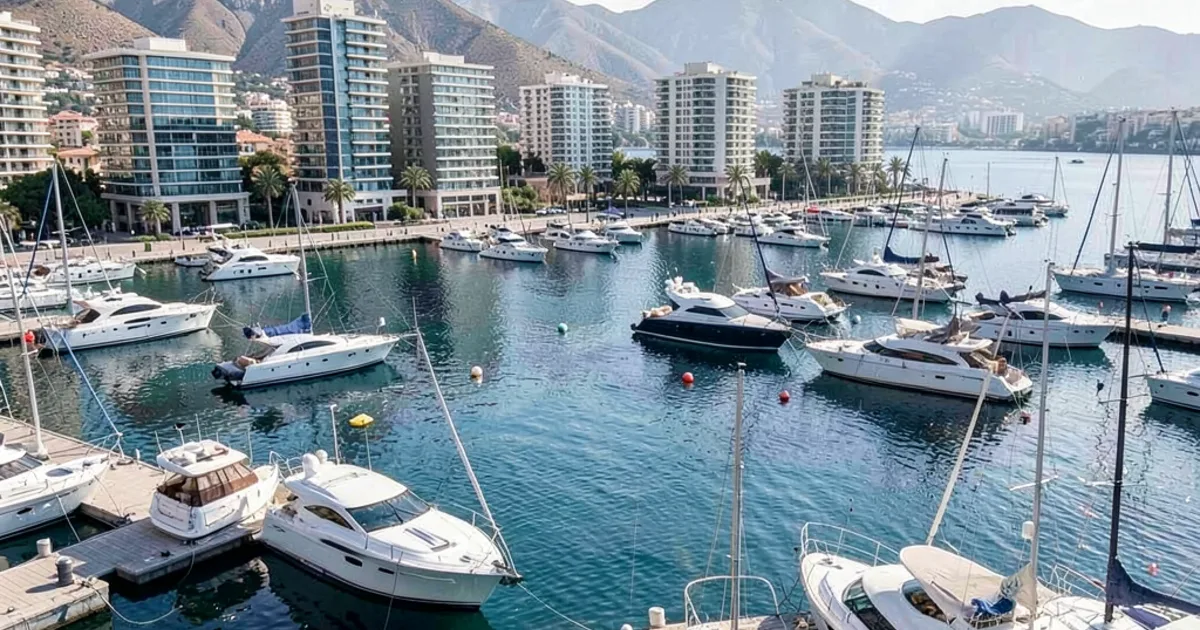
Caesarea, a jewel on Israel's Mediterranean coast, represents the pinnacle of luxury living and a highly sought-after location for real estate investment. For those aspiring to build their dream home or expand their portfolio in this exclusive enclave, understanding the acquisition process for a plot of land is paramount. This comprehensive guide delves into the intricate differences and shared complexities faced by an Oleh Chadash (new immigrant) and an experienced Israeli investor when embarking on this significant venture, offering practical insights and expert advice.
- Understanding the Unique Allure of Caesarea Land
- Initial Market Exploration and Due Diligence: A Shared Starting Point
- Legal Representation: A Universal Necessity, With Specific Nuances
- Financing the Purchase: Navigating Mashkanta and Capital Movement
- Tax Implications: Mas Rekhisha and Mas Shevah Considerations
- The Binding Memorandum and Contract Negotiation: Key Differences
- Navigating Bureaucracy and Permits: A Universal Challenge
- Post-Purchase Integration: Community and Language Considerations
- The Value of Local Expertise and Professional Networks
Understanding the Unique Allure of Caesarea Land
Caesarea holds a distinct position within the Israeli real estate landscape, primarily due to its historical significance, unparalleled natural beauty, and meticulously planned infrastructure. Unlike many other areas, land availability here is finite and highly regulated, contributing to its sustained value and desirability. The opportunity to acquire a plot and construct a bespoke villa is a dream for many, representing not just a financial investment but a lifestyle choice deeply embedded in a community that values privacy, luxury, and tranquility.
The demand for land in Caesarea consistently outpaces supply, driven by both local high-net-worth individuals and international buyers drawn to its unique charm. This scarcity means that plots rarely come to market, and when they do, they command significant attention and often a swift transaction. Understanding these underlying market dynamics is crucial for any potential buyer, regardless of their background, as it shapes the speed and competitiveness of the acquisition process.
Beyond the tangible assets, Caesarea offers an exceptional quality of life, featuring a world-class golf course, a picturesque ancient port, pristine beaches, and a vibrant cultural scene. These elements contribute to the premium associated with land ownership here, making it more than just a piece of earth; it's an entry into an exclusive community. Both Oleh Chadashim and Israeli investors are drawn to these intrinsic values, though their perspectives and priorities might subtly differ.
Initial Market Exploration and Due Diligence: A Shared Starting Point
Irrespective of buyer status, the journey begins with thorough market exploration and meticulous due diligence. This involves identifying available plots, understanding zoning regulations, and assessing the land's development potential. Engaging with a reputable local real estate agent specializing in Caesarea is often the first critical step, as they possess invaluable insights into off-market opportunities and the nuances of local planning committees.
Due diligence extends beyond the physical characteristics of the land to include a deep dive into its legal standing. This means verifying ownership through the Tabu (Israel Land Registry) to ensure there are no encumbrances, liens, or disputes affecting the property. A lawyer specializing in real estate transactions in Israel will be indispensable at this stage, conducting comprehensive checks to safeguard the buyer's interests.
Furthermore, understanding the local Arnona (municipal property tax) rates and any potential betterment levies (Heitel Hashbacha) is crucial for both types of buyers. While these are standard considerations, their specific application and potential future increases in Caesarea can impact the long-term financial viability of the investment. Both Oleh Chadashim and Israeli investors must factor these ongoing costs into their financial projections from the outset.
Legal Representation: A Universal Necessity, With Specific Nuances
Retaining expert legal counsel is non-negotiable for any land purchase in Israel, and particularly in a high-value market like Caesarea. An Israeli real estate lawyer will guide the buyer through every stage, from drafting the binding memorandum of understanding (Zichron Devarim) to the final registration in the Tabu. Their role is to protect the buyer's interests, review all contracts, and ensure compliance with Israeli property law.
For an Oleh Chadash, the legal process might feel more daunting due to language barriers and unfamiliarity with the Israeli legal system. A lawyer fluent in their native language and experienced in assisting new immigrants can bridge this gap, explaining complex legal jargon in an accessible manner. They can also provide guidance on specific aspects of Israeli law that might be relevant to an Oleh, such as potential tax benefits or reporting requirements related to their new immigrant status.
An experienced Israeli investor, while familiar with the general legal framework, will still rely heavily on their lawyer for intricate details, particularly concerning tax optimization strategies and complex contractual clauses. They might seek a lawyer with a proven track record in high-value transactions and a deep understanding of local Caesarea planning laws to ensure the maximum development potential of the acquired plot. The lawyer's role is not just transactional but also advisory, helping to mitigate risks and anticipate future challenges.
Financing the Purchase: Navigating Mashkanta and Capital Movement
Securing financing is a pivotal step for most land purchases. In Israel, a Mashkanta (mortgage) is the primary method for financing real estate. Israeli banks offer various mortgage products, and an experienced Israeli investor will likely have existing relationships with financial institutions, potentially streamlining the application process. They will be familiar with typical loan-to-value ratios, interest rates, and the required documentation.
For an Oleh Chadash, obtaining a Mashkanta can present unique challenges. While Israeli banks are generally welcoming, they will require a clear understanding of the Oleh's financial history, which might be primarily in a foreign currency and from non-Israeli institutions. This often necessitates providing extensive documentation from their country of origin, potentially including foreign credit reports, bank statements, and income verification. Some banks have specific departments catering to Oleh Chadashim, offering specialized assistance.
Furthermore, the transfer of funds from abroad for an Oleh Chadash requires careful planning to comply with international anti-money laundering regulations and Israeli foreign exchange laws. This involves coordinating with both foreign and Israeli banks to ensure a smooth and transparent transfer. An Oleh might also need to consider currency exchange fluctuations, which can impact the final cost of the land, whereas an Israeli investor typically deals with transactions solely in Israeli shekels, simplifying this aspect.
Tax Implications: Mas Rekhisha and Mas Shevah Considerations
Taxation is a significant component of any real estate transaction in Israel. The primary taxes involved are Mas Rekhisha (Purchase Tax) and, upon future sale, Mas Shevah (Capital Gains Tax). Mas Rekhisha rates are progressive and depend on the value of the property and the buyer's status. For an Oleh Chadash, there can be significant benefits related to Mas Rekhisha, often in the form of reduced rates or exemptions for a primary residence, typically for a limited period after making Aliyah.
It is crucial for an Oleh Chadash to understand the specific conditions and timeframes under which these tax benefits apply. Missing deadlines or misunderstanding eligibility criteria can lead to unexpected tax liabilities. Expert legal and tax advice is paramount to maximize these advantages, as the rules can be complex and subject to interpretation. This is a clear area where an Oleh Chadash has a distinct, albeit time-bound, advantage.
An experienced Israeli investor, on the other hand, will typically pay the standard Mas Rekhisha rates, which can be substantial for investment properties. Their focus will often be on strategies to mitigate future Mas Shevah liabilities through careful planning, such as holding periods, claiming eligible expenses, or utilizing specific tax structures for real estate companies. While they don't have the new immigrant benefits, their experience often allows for more sophisticated tax planning for long-term gains.
The Binding Memorandum and Contract Negotiation: Key Differences
The Zichron Devarim, or binding memorandum of understanding, is often the first formal step in securing a property in Israel. While not the full contract, it outlines the key terms of the agreement, including price, payment schedule, and target closing date. Both Oleh Chadashim and Israeli investors will encounter this document, but their approach to negotiation might differ.
For an Oleh Chadash, the negotiation process can be particularly challenging due to potential language barriers and cultural differences in business practices. Having an experienced real estate agent and lawyer who can effectively communicate and advocate on their behalf is crucial. They might also need more time to review and understand the implications of each clause, given their unfamiliarity with the local system.
An experienced Israeli investor is likely to be more assertive and knowledgeable during contract negotiations, often having a clear strategy for securing favorable terms. They will be acutely aware of market conditions and potential leverage points. Their lawyer will focus on minimizing risks and optimizing the financial aspects of the deal, potentially pushing for specific clauses related to development permits or unforeseen construction delays, which an Oleh might not initially consider.
Navigating Bureaucracy and Permits: A Universal Challenge
Once a plot of land is acquired, the next significant hurdle is obtaining the necessary building permits from the local municipality of Hof HaCarmel, which governs Caesarea. This process is notoriously complex and time-consuming in Israel, requiring architectural plans, engineering assessments, and adherence to stringent zoning laws. Both Oleh Chadashim and Israeli investors face this bureaucratic maze.
For an Oleh Chadash, this stage can be particularly frustrating due to the sheer volume of paperwork, the need for Hebrew communication, and the often-unpredictable timelines of municipal approvals. Engaging a local architect and project manager who are intimately familiar with Caesarea's specific planning regulations and have established relationships with the local council is highly recommended. These professionals can act as crucial intermediaries, translating requirements and expediting processes where possible.
Experienced Israeli investors, while familiar with the general permitting process, will still rely on expert local teams to navigate the intricacies of Caesarea's planning committees. They understand that delays are common and factor this into their project timelines and financial projections. Their experience allows them to anticipate potential roadblocks and proactively address them, drawing on a network of trusted professionals to streamline the permit acquisition process as much as possible.
Post-Purchase Integration: Community and Language Considerations
Beyond the transactional aspects, integrating into the Caesarea community is an important consideration, particularly for an Oleh Chadash. While Caesarea is an international community, proficiency in Hebrew can significantly enhance the experience of living and building here. Enrolling in an Ulpan (intensive Hebrew language course) is highly recommended, not just for daily life but also for interacting with local contractors, suppliers, and municipal officials during the construction phase.
An experienced Israeli investor, already integrated into Israeli society, will not face these specific language or cultural barriers. Their focus will be purely on the development and financial aspects of the land. However, even for them, understanding the subtle social dynamics and community expectations within Caesarea can be beneficial, particularly if they intend to reside there or develop properties for a specific clientele.
Building a network within Caesarea, whether through local community events, clubs, or professional associations, can prove invaluable for both types of buyers. For an Oleh Chadash, this network can provide support and guidance as they establish their new life. For an Israeli investor, it can offer insights into market trends, potential collaborations, and access to skilled local tradespeople, further enhancing their investment.
The Value of Local Expertise and Professional Networks
Regardless of whether you are an Oleh Chadash or an experienced Israeli investor, the complexity and high value of land transactions in Caesarea underscore the critical importance of assembling a robust team of local professionals. This includes a specialized real estate agent, a real estate lawyer, a tax advisor, an architect, and potentially a project manager or construction supervisor. Their collective expertise is invaluable in navigating the unique challenges of this market.
For an Oleh Chadash, this team acts as a vital bridge, translating not just language but also cultural norms, legal intricacies, and administrative procedures. The right professionals can significantly reduce stress, mitigate risks, and ensure a smoother, more transparent process. They can also advocate on the Oleh's behalf, ensuring their interests are fully protected in a new and unfamiliar environment.
An experienced Israeli investor, while possessing greater familiarity, still benefits immensely from a well-established network of local experts. These professionals can offer nuanced advice on zoning changes, market shifts, and optimal development strategies specific to Caesarea. Their relationships within the local municipality and with reputable contractors can be crucial for efficient project execution and maximizing return on investment. In Caesarea, local knowledge is not just an advantage; it's a necessity for success.
FAQ
Are there specific grants or incentives for Oleh Chadashim buying land in Caesarea?
While there aren't typically specific grants for land purchase in Caesarea, Oleh Chadashim may be eligible for reduced Mas Rekhisha (Purchase Tax) rates for a primary residence, provided certain conditions and timelines are met. It's crucial to consult with a tax advisor to understand current eligibility.
What is the average timeline for obtaining building permits for a villa in Caesarea?
The timeline for obtaining building permits in Caesarea can vary significantly, often ranging from several months to over a year, depending on the complexity of the plans and the municipal workload. Engaging an experienced local architect and project manager can help streamline the process.
Can a foreign national who is not an Oleh Chadash purchase land in Caesarea?
Yes, foreign nationals who are not Oleh Chadashim can purchase land in Israel, including Caesarea. However, they will typically not be eligible for the tax benefits extended to new immigrants and may face different financing requirements. Legal counsel is essential for understanding the specific implications.
What are the ongoing costs associated with owning an undeveloped plot of land in Caesarea?
Ongoing costs for an undeveloped plot in Caesarea primarily include Arnona (municipal property tax), which is paid quarterly, and potentially a local maintenance fee to the Caesarea Development Corporation. These costs can vary based on the plot size and location.
Get your personalised shortlist
Listings and up-to-date info, straight to your inbox, free, no obligation.
See Caesarea villas →