How much does a building plot in Caesarea cost and what are the hidden fees
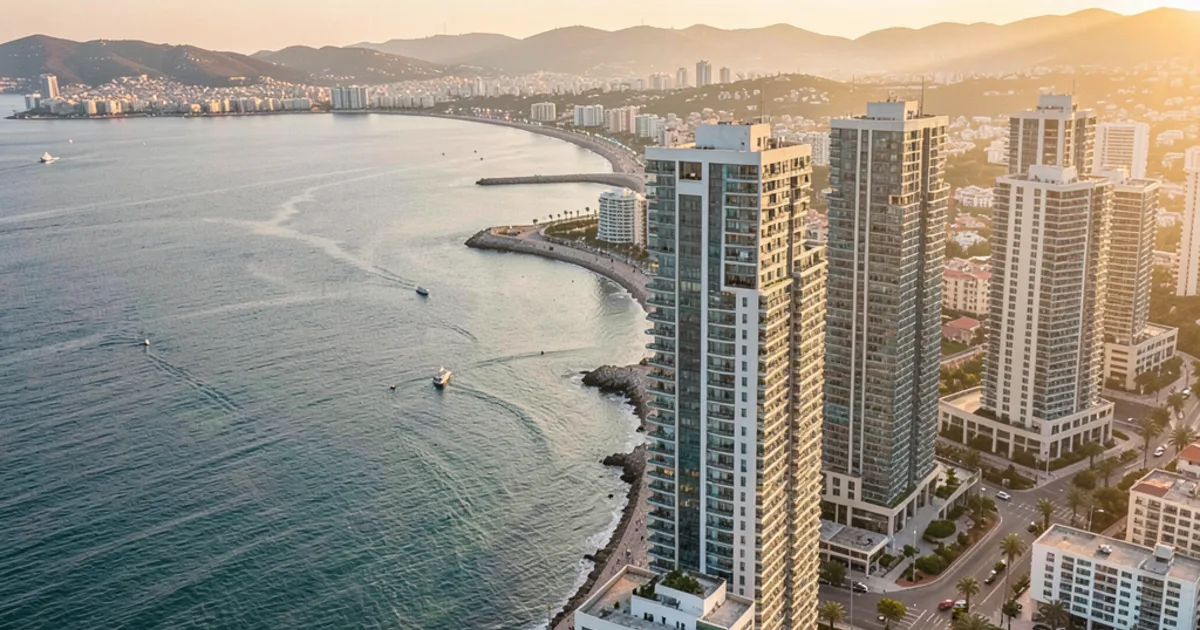
For those seeking to build a bespoke luxury villa, finding the perfect building plot in Caesarea is the first step toward a dream lifestyle. However, the sticker price of the land is rarely the final figure you will encounter during the acquisition process. Understanding the nuances of the Israeli real estate market is essential to avoiding unexpected financial burdens. This guide provides a comprehensive breakdown of the costs, taxes, and professional requirements involved in securing a premium plot in Israel's most exclusive coastal address.
- The Essence of Caesarea Land Value
- Key Determinants of Plot Pricing
- Understanding Mas Rekhisha (Purchase Tax)
- The Legal Weight of the Binding Memorandum
- Verifying Ownership through the Tabu Land Registry
- Municipal Levies and Ongoing Arnona Costs
- Financing the Acquisition: The Mashkanta Landscape
- The Cost of Professional Technical Expertise
- Navigating the Planning and Permit Process
- Hidden Costs in Site Preparation and Infrastructure
- Expert Advice for the Long-Term Vision
The Essence of Caesarea Land Value
The value of a building plot in Caesarea is driven by factors that extend far beyond simple square footage. Unlike standard residential developments, land in this region is a finite and highly coveted resource, often characterized by its proximity to the Mediterranean coastline and its historical prestige. The exclusivity of the address itself creates a price floor that remains resilient regardless of broader economic fluctuations. When evaluating a plot, one must recognize that you are investing in a lifestyle and a specific social ecosystem that is unique to this part of Israel.
Geographic positioning plays a monumental role in determining the base cost of any given parcel. A plot that offers an unobstructed view of the sea will command a significant premium compared to one situated further inland or facing a neighboring villa. Similarly, the topography of the land can influence both the initial price and the subsequent construction costs. Sloped terrains might offer more privacy and better views, but they also necessitate more complex engineering and foundation work during the building phase.
Furthermore, the existing neighborhood character acts as a major valuation driver. Plots located within established, high-end residential zones benefit from the proximity to manicured parks, premium local amenities, and a community of like-minded residents. This level of environmental stability ensures that the land retains its value over time, making it an asset for long-term wealth preservation. Prospective buyers must look past the surface and analyze how the plot integrates into the wider urban fabric of Caesarea.
Key Determinants of Plot Pricing
When researching building plot costs in Caesarea, it is vital to understand that pricing is rarely uniform. The market is segmented into various tiers based on zoning, density, and intended use. Some plots are designated for single-family luxury villas, while others might allow for multi-unit developments, which fundamentally alters their market value. A buyer must carefully review the local master plan to ensure the land's potential aligns with their architectural vision.
Zoning regulations and building rights (Zkhuyot Bniya) are perhaps the most critical variables in land valuation. The amount of built-up area permitted on a specific plot directly dictates its economic utility. A smaller plot with high building rights might be more valuable than a larger plot with restrictive zoning. Therefore, the cost is not merely a function of land area, but of the 'buildable volume' that the municipality allows you to occupy.
Additional factors that influence the final negotiation include the accessibility of the plot and the availability of existing utility connections. A plot that is already serviced by electricity, water, and sewage requires less immediate capital outlay than a raw piece of land. In premium areas, the presence of mature landscaping or existing boundary walls can also add value, as they provide an immediate sense of privacy and established luxury.
- Proximity to the coastline and sea views.
- Topography and land slope complexity.
- Total building rights (Zkhuyot Bniya) permitted by the municipality.
- Zoning designations (Single-family vs. Multi-unit).
- Availability of existing infrastructure and utilities.
Understanding Mas Rekhisha (Purchase Tax)
One of the most significant immediate costs following the purchase of a plot is the Mas Rekhisha, or purchase tax. In Israel, this tax is calculated based on the total value of the transaction and follows a tiered structure. The rates applied can vary significantly depending on whether the buyer is purchasing the land as a primary residence or as an investment property. It is crucial to consult with a tax professional early in the process to estimate this liability accurately.
For many luxury villa buyers, the purchase tax can represent a substantial portion of the total acquisition budget. Because the transaction values in Caesarea are often quite high, the buyer frequently moves into the higher tax brackets. It is a common misconception that the land price is the only major tax; however, the Mas Rekhisha is an unavoidable obligation to the state that must be factored into your initial capital planning. Failure to account for this can lead to significant liquidity issues during the closing period.
The taxation rules can also be influenced by the status of the seller. For instance, if the seller is a developer or a company, different tax implications may arise compared to a private individual selling a plot. Furthermore, certain exemptions or reduced rates may apply under specific conditions, such as purchasing a first home, though these are less common in the high-end Caesarea market. Always ensure your legal counsel provides a detailed tax projection based on the specific details of your transaction.
The Legal Weight of the Binding Memorandum
In the Israeli real estate market, the purchase process is formalized through a document known as the binding memorandum (Zichron Devarim). This is not merely a formality; it is a legally enforceable contract that outlines the terms, conditions, and obligations of both the buyer and the seller. Because of the high stakes involved in Caesarea land acquisitions, the precision of this document is paramount. It serves as the foundation for the entire transaction and protects your interests against future disputes.
The memorandum should detail everything from the exact boundaries of the plot to the timeline for the transfer of ownership. It must also address contingencies, such as the receipt of necessary building permits or the resolution of any existing liens on the property. A well-drafted memorandum will include clauses regarding the payment schedule, the penalties for breach of contract, and the specific responsibilities for municipal fees. Attempting to use a generic template for a luxury land purchase is a high-risk strategy that should be avoided at all costs.
Engaging a specialized real estate attorney to draft and negotiate this memorandum is an essential investment. An expert lawyer will scrutinize the seller's title, ensure that all representations made during negotiations are legally binding, and protect the buyer from hidden liabilities. The costs associated with high-quality legal representation are minor compared to the potential losses resulting from a poorly negotiated contract. In the world of high-end real estate, your legal protection is your most valuable asset.
Verifying Ownership through the Tabu Land Registry
Before any funds are transferred, it is non-negotiable to verify the legal status of the land through the Tabu, which is the official Israeli land registry. The Tabu provides the definitive record of ownership, liens, mortgages, and any other encumbrances that may affect the property. A plot that appears perfect on paper may, in reality, be subject to legal disputes or third-party rights that could stall your construction project for years. Verifying the registry is the only way to ensure you are receiving a clean and unencumbered title.
A thorough title search involves more than just looking at the most recent entry. A professional legal team will examine the history of the land to ensure there are no unresolved claims or historical errors in the registry. In some cases, land in Israel may be held under different types of ownership structures, such as through the Israel Land Authority or within a communal land trust. Understanding the specific nature of the ownership is vital, as it dictates how you can use, mortgage, or transfer the property in the future.
Once the transaction is complete, the formal registration of the property in your name at the Tabu is the final step in securing your ownership. This process is what legally protects your investment and allows you to secure financing from banks. Without a clear and registered title, you will find it nearly impossible to obtain building permits or a Mashkanta (mortgage) for your construction project. Therefore, the transition from the binding memorandum to the official Tabu registration must be managed with extreme care.
Municipal Levies and Ongoing Arnona Costs
Beyond the initial purchase price and taxes, landholders must account for municipal obligations. One of the most persistent costs is the Arnona, which is the local property tax levied by the municipality. Even if the land is currently vacant and has no structure on it, you are still responsible for paying Arnona. The rate for vacant land is often calculated differently than for residential buildings, but it remains a mandatory recurring expense that must be budgeted for.
In addition to Arnona, there are often one-time municipal fees associated with the development and construction process. These may include fees for connecting to the municipal grid, infrastructure development levies, and various administrative charges related to the building permit process. These costs can accumulate quickly and are often determined by the local municipality's specific regulations and the scale of your intended project. It is wise to request information from the local planning office regarding any anticipated development fees.
Understanding the long-term municipal landscape is also important for property value maintenance. The municipality's investment in local infrastructure, security, and public spaces directly impacts the desirability and value of your plot. A well-maintained municipality ensures that the premium nature of Caesarea is preserved, which in turn protects your capital investment. Always view these municipal costs not just as expenses, but as part of the broader cost of maintaining an elite lifestyle.
- Annual Arnona (property tax) for vacant land.
- Infrastructure connection fees (water, sewage, electricity).
- Municipal development levies (Ha'atakat Pituach).
- Permit application and administrative fees.
- Maintenance of local public amenities and security.
Financing the Acquisition: The Mashkanta Landscape
Financing the purchase of a building plot requires a different approach than financing a completed home. Most financial institutions view land as a higher-risk asset because it does not provide immediate utility or shelter. Consequently, the terms for a Mashkanta (mortgage) on a plot may be more stringent, often requiring a higher down payment than a standard residential mortgage. Prospective buyers should prepare to have significant liquid capital available to cover the initial purchase and the required equity stake.
Banks will typically conduct a rigorous appraisal of the land before approving any financing. This appraisal will consider the market value, the zoning potential, and the overall risk profile of the location. If you intend to use the mortgage to fund the subsequent construction of your villa, the bank will also require a detailed construction budget and a professional architectural plan. The financing process is often integrated, where the land purchase and the construction loan are linked in a single, complex financial structure.
It is important to remain aware of the interest rate environment and how it affects your long-term debt obligations. Because construction projects can often face delays, having a financial buffer is essential to manage interest payments during the period between land acquisition and the completion of the villa. Working with a mortgage specialist who understands the nuances of high-end real estate in Israel can provide a significant advantage in negotiating favorable terms and navigating the bank's requirements.
The Cost of Professional Technical Expertise
Building a custom villa in Caesarea requires a team of highly skilled professionals, and their fees are a critical component of your total project cost. The first and most important hire is an architect, who will translate your vision into a functional and aesthetically pleasing design. An architect's fee is typically calculated as a percentage of the total construction cost or as a fixed fee based on the complexity of the project. In premium areas, you should expect to pay for high-level expertise to ensure the design meets the local standards of luxury.
Beyond architecture, you will need to engage structural engineers, landscape designers, and specialized consultants. The structural engineer ensures the integrity of the building, especially if the plot has challenging topography. A landscape designer is essential in Caesarea to create outdoor living spaces that complement the Mediterranean environment and provide the privacy expected in such an exclusive location. Each of these professionals brings a specific skill set that is necessary to bring the project from a concept to a reality.
Project management is another layer of professional cost that is often overlooked. A dedicated project manager can oversee the various contractors, ensure adherence to the timeline, and manage the budget, preventing costly errors and delays. While this adds to the upfront cost, the value of having an expert to navigate the complexities of Israeli construction and local regulations is immense. Investing in professional expertise early on is the best way to mitigate the risk of budget overruns during the building phase.
- Architectural design and planning fees.
- Structural and civil engineering services.
- Landscape architecture and garden design.
- Project management and site supervision.
- Specialized consultants (electrical, plumbing, HVAC).
Navigating the Planning and Permit Process
The transition from owning a plot to actually breaking ground is governed by a rigorous planning and permitting process. In Israel, this involves submitting detailed plans to the local planning and building committee. This committee reviews your proposal to ensure it complies with all local zoning laws, environmental regulations, and aesthetic guidelines. The process can be time-consuming and requires meticulous documentation, making it one of the most complex stages of land ownership.
Delays in receiving building permits are a common challenge and can have significant financial implications. During the time spent waiting for approvals, you may still be responsible for land-related costs such as Arnona and mortgage interest. It is essential to factor in a realistic timeline for the permit process when planning your construction schedule. A professional architect or a local planning consultant can be invaluable in navigating these bureaucratic hurdles and ensuring that your application is submitted correctly the first time.
The complexity of the process can also be heightened by environmental considerations, such as proximity to protected coastal areas or historical sites. The municipality may require additional studies, such as soil reports or environmental impact assessments, before granting approval. Understanding these requirements upfront allows you to budget for the necessary studies and avoid unexpected setbacks. Patience and professional guidance are the two most important tools when dealing with the local planning authorities.
Hidden Costs in Site Preparation and Infrastructure
Once the permits are secured, the physical preparation of the site begins, which can reveal several hidden costs. Site preparation often involves more than just clearing the land; it may require significant excavation, leveling, or the installation of retaining walls, especially on sloped plots. These earthworks are essential for creating a stable foundation for your villa, but they can be much more expensive than initially anticipated if the soil conditions are not ideal.
Infrastructure costs also extend to the specialized systems required for a high-end modern villa. This includes advanced irrigation systems for the landscape, high-capacity electrical systems for smart-home technology, and sophisticated security installations. In some cases, you may also need to invest in private drainage solutions or water storage if the municipal connections are not immediately available at the building site. These technical requirements are fundamental to the luxury experience but must be accounted for in the construction budget.
Finally, one should be prepared for the costs associated with site access and temporary construction infrastructure. This includes the installation of temporary fences, construction offices, and access roads for heavy machinery. If the plot is located in a narrow or highly private street, there may be additional costs or logistical challenges involved in bringing materials to the site. By anticipating these 'below-the-surface' expenses, you can maintain better control over your total investment throughout the construction lifecycle.
Expert Advice for the Long-Term Vision
Acquiring a building plot in Caesarea is a significant strategic move that requires a balance of emotional aspiration and financial pragmatism. The most successful buyers are those who approach the transaction with a holistic view, considering not just the price of the land, but the entire lifecycle of the project from acquisition to completion. This means being prepared for the various taxes, legal fees, and professional expenses that will inevitably arise. A well-structured budget that includes a substantial contingency fund is the hallmark of a prepared investor.
It is also important to view the purchase through the lens of long-term value. The exclusivity of Caesarea means that while the initial costs are high, the potential for capital appreciation and the quality of life provided are exceptional. When selecting a plot, prioritize those with the highest degree of certainty regarding building rights and legal status. A plot with a clear title and established zoning is always a safer and more lucrative investment than one with ambiguous characteristics.
Ultimately, the key to a successful land acquisition is the quality of your professional circle. From your real estate attorney and tax advisor to your architect and project manager, the people you surround yourself with will dictate the smoothness of your journey. In a market as prestigious and complex as Caesarea, expert guidance is not an optional luxury; it is a fundamental necessity for protecting your investment and realizing your vision of a bespoke luxury home.
FAQ
What is the most important thing to check before buying a plot in Caesarea?
The most critical step is verifying the legal status of the land through the Tabu land registry to ensure there are no liens or ownership disputes. Additionally, you must confirm the exact building rights (Zkhuyot Bniya) permitted by the municipality to ensure the plot meets your architectural needs.
Get your personalised shortlist
Listings and up-to-date info, straight to your inbox, free, no obligation.
See Caesarea villas →