How much is Arnona in Caesarea for a large luxury villa
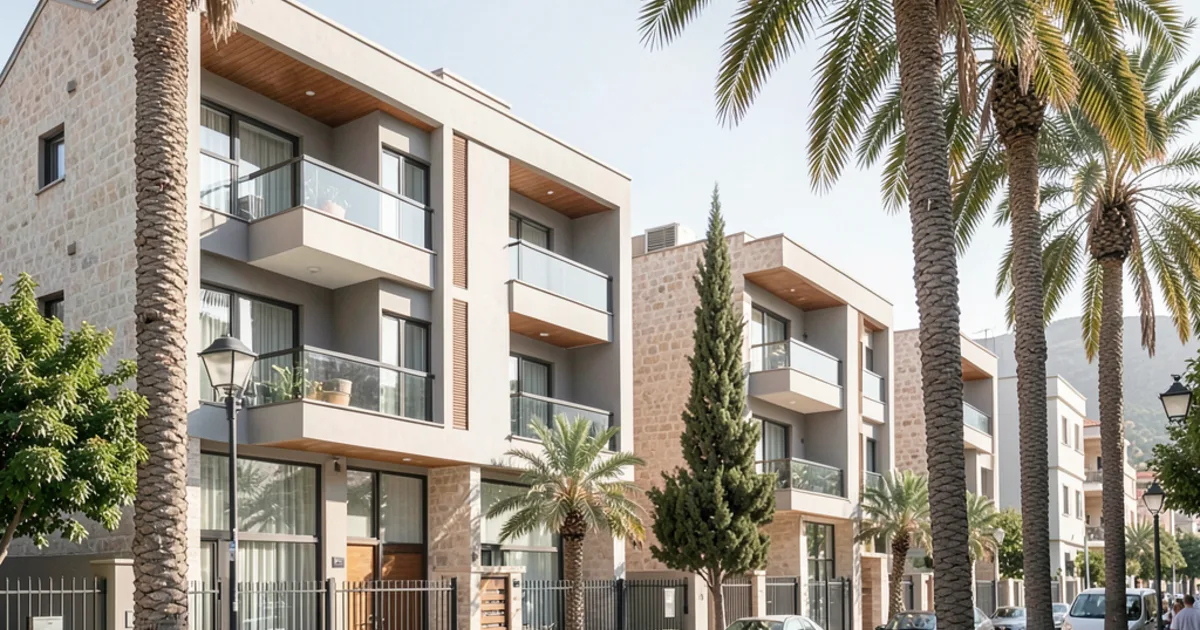
Caesarea stands as a beacon of exclusivity, offering a lifestyle defined by architectural grandeur and unparalleled privacy. For the discerning investor, acquiring a sprawling villa in this prestigious enclave is a significant milestone. However, the financial commitment of such an acquisition extends far beyond the initial purchase price. Understanding the nuances of Arnona, the local municipal property tax, is essential for maintaining a seamless and well-managed estate. This guide provides an in-depth analysis of how these taxes are assessed and managed for large-scale luxury properties.
- What exactly is Arnona and how does it differ from other Israeli property taxes?
- What factors determine the Arnona rate for a luxury villa in Caesarea?
- How does the usage type of a property affect its municipal tax assessment?
- Why is the distinction between built area and plot size important for Arnona?
- How can a homeowner estimate the annual Arnona budget for a large estate?
- What role does the Tabu land registry play in determining your tax obligations?
- When does the responsibility for Arnona transfer during a villa purchase?
- Is it possible to appeal an Arnona assessment in the Caesarea municipality?
- How do property renovations and extensions impact your ongoing Arnona costs?
- What considerations should international owners keep in mind regarding municipal taxes?
- What are the broader financial implications of owning a villa in Caesarea?
What exactly is Arnona and how does it differ from other Israeli property taxes?
Arnona is the municipal property tax levied by local authorities across Israel to fund essential public services. In a highly developed and exclusive area like Caesarea, these funds are utilized to maintain local infrastructure, security, public landscaping, and communal amenities. Unlike national taxes that go to the central government, Arnona is strictly a local obligation managed by the municipality. It is a recurring cost that remains a fundamental part of the annual carrying expenses for any property owner.
It is vital for international buyers to distinguish Arnona from other significant financial obligations such as Mas Rekhisha. Mas Rekhisha, or purchase tax, is a one-time levy paid to the state during the acquisition of real estate. While Mas Rekhisha is a transaction-based cost, Arnona is an ongoing operational expense tied to the continued ownership of the property. Confusing these two can lead to significant errors in initial capital planning and liquidity management.
Furthermore, Arnona should not be confused with Mas Shevah, which refers to capital gains tax. Mas Shevah is typically triggered only when a property is sold, representing a tax on the profit realized from the appreciation of the asset. Arnona, conversely, is an annual requirement that persists regardless of whether the property is being held for long-term appreciation or used as a primary residence. Understanding this distinction ensures that your long-term budget accounts for both transactional and operational costs.
For owners of large estates, these taxes represent a predictable but substantial component of the total cost of ownership. Because the municipality sets the rates based on local service levels and zoning, the cost is inherently tied to the prestige of the Caesarea address. Managing these obligations requires a clear understanding of how the municipality assesses both the physical structure and the intended use of the land. This knowledge is the first step in professional estate management.
What factors determine the Arnona rate for a luxury villa in Caesarea?
The calculation of Arnona is not a random figure but a structured assessment based on several key metrics. The primary driver is the total built area of the property, measured in square meters. In Caesarea, where villas often feature expansive living spaces, guest houses, and underground facilities, this measurement is the most critical factor in determining the annual bill. The larger the footprint of the structure, the higher the municipal assessment will be.
Beyond the physical size, the municipality considers the specific zone or neighborhood in which the villa is located. Even within the broader Caesarea area, certain beachfront or highly secluded sectors may carry different valuation profiles. The municipality assesses the level of service provided to these areas, which can influence the base rate applied to the property. This ensures that the tax burden is somewhat reflective of the local infrastructure and amenities available to the residents.
The intended usage of the property is another decisive element in the assessment process. A property used purely for residential purposes is taxed differently than one that includes commercial or semi-commercial elements. For example, a villa that houses a large, professional home office or a separate rental unit might be subject to a different rate structure. It is essential to ensure that the property's use is correctly registered with the municipality to avoid unexpected adjustments.
Finally, the municipality's own budgetary requirements and service standards play a role in setting the rates. As Caesarea is a premium location, the standards for landscaping, security, and road maintenance are exceptionally high. These high standards of local governance are reflected in the municipal tax structure. Owners should view Arnona not just as a tax, but as a contribution to the continued exclusivity and upkeep of their environment.
- Total built square footage (m²)
- Zoning and specific municipal sector
- Classification of usage (Residential vs. Commercial)
- Local municipal service and infrastructure levels
How does the usage type of a property affect its municipal tax assessment?
In the context of a luxury villa, the concept of 'usage' can become quite complex. Most large estates in Caesarea are primarily residential, but they often include secondary structures or specialized rooms. A standard living room and bedroom are classified under residential rates, which are typically lower than commercial rates. However, if a portion of the estate is used for purposes outside of standard domestic living, the tax implications change.
Consider a scenario where a villa includes a separate guest house that is rented out to third parties. The municipality may view this specific area as a commercial or semi-commercial unit rather than a purely residential space. This distinction can lead to a higher Arnona rate for that specific section of the property. It is crucial for owners to be transparent about the usage of all structures on the plot to ensure compliance with local regulations.
Similarly, large-scale home offices or studios that host clients can sometimes trigger a reclassification of usage. If a property is used to conduct business, the municipality may assess it at a commercial rate, which is significantly higher than the residential rate. For high-net-worth individuals who operate businesses from their estates, understanding this boundary is vital for accurate financial forecasting and legal compliance.
Maintaining the correct usage classification is not just about tax accuracy; it is also about adhering to the municipality's zoning laws. Incorrectly classifying a commercial space as residential can lead to penalties or forced adjustments during municipal audits. Professional estate managers often work closely with local consultants to ensure that the property's tax status accurately reflects its functional reality.
Why is the distinction between built area and plot size important for Arnona?
A common misconception among new property owners is that Arnona is calculated based on the total size of the land plot. While the plot size is a vital factor in the purchase price and the overall value of the estate, Arnona is primarily focused on the built area. In Caesarea, it is not uncommon to see massive plots of land with relatively concentrated architectural footprints. The municipality's tax assessment focuses on the square meters of the actual structures.
This distinction is particularly important when considering properties that have large gardens, swimming pools, or expansive paved areas. While the land itself is part of the property's value, the Arnona bill is largely driven by the 'covered' or 'built' meters. However, certain outdoor structures like large pergolas, pool houses, or significant covered terraces may still be included in the built area calculation. It is important to review the building permits to see what the municipality considers 'built' space.
For those looking at plots to build upon, the potential Arnona cost must be calculated based on the projected built area rather than the land size. A large plot that will eventually host a massive villa will incur significantly higher taxes than a smaller plot, even if the land area is comparable. Planning the scale of the construction is therefore a direct exercise in tax planning. An oversized structure will lead to a proportionally higher annual municipal commitment.
Understanding this nuance helps in evaluating the long-term feasibility of a construction project. When reviewing the binding memorandum or the architectural plans, owners should ask how the proposed structures will be classified by the municipality. This proactive approach prevents surprises during the transition from a construction site to a completed luxury residence.
How can a homeowner estimate the annual Arnona budget for a large estate?
Estimating the annual Arnona for a luxury villa requires a qualitative approach rather than a simple formula. Because there are no universal fixed prices for every property, you must consider the scale of the estate and the specific municipal rates. A villa with several thousand square meters of built space will naturally fall into a much higher tax bracket than a standard residence. Therefore, your budget should reflect the premium nature of the property's size and location.
To create a realistic budget, you should first identify the total built area as recorded in the official building permits. Once you have this figure, you can consult with a local real estate professional or a municipal representative to understand the current rate per square meter for residential properties in Caesarea. While the exact figure may fluctuate, this will provide a baseline for your annual financial planning. Always include a buffer in your budget to account for potential rate increases.
It is also wise to factor in the potential for secondary usage taxes. If your estate includes a separate unit for staff, a home office, or a rental guest house, these areas should be budgeted at their respective rates. A holistic budget accounts for the entire footprint of the property, ensuring that no part of the estate is overlooked. This level of detail is what separates casual buyers from sophisticated estate owners.
Finally, remember that Arnona is an annual obligation that is often paid in installments. Your budget should account for the timing of these payments to ensure smooth cash flow management. For international owners, this might involve setting up automated transfers or working with a local management firm to handle the municipal billing cycle efficiently.
- Verify total built square meters from permits
- Consult local experts for current municipal rates
- Account for different usage classifications
- Include a contingency buffer for rate adjustments
What role does the Tabu land registry play in determining your tax obligations?
The Tabu, or the official land registry in Israel, is the definitive source for property ownership and legal description. The information recorded in the Tabu is what the municipality uses to identify the owner and the legal characteristics of the property. If there is a discrepancy between the physical reality of your villa and what is recorded in the Tabu, it can lead to significant issues with your Arnona assessment. Ensuring that the Tabu is accurate is a fundamental part of the due diligence process.
The Tabu details the exact boundaries of the property and the legal status of the land. This registration is crucial because the municipality relies on these official records to apply the correct tax rates. For instance, if a property is registered with a specific usage type in the Tabu, the municipality will use that classification to generate your Arnona bill. Any changes to the property, such as new construction or a change in usage, must eventually be reflected in the registry.
When purchasing a villa, it is essential to ensure that the property is properly registered and that all previous improvements have been legally recorded. If a villa has been expanded without updating the Tabu or obtaining the necessary permits, the owner may face challenges during a municipal audit. This could result in back-taxes or penalties being levied to correct the discrepancy. A thorough review by a legal professional is mandatory to confirm that the registry is in order.
For the homeowner, the Tabu serves as the legal foundation of their investment. While the Arnona is a municipal matter, its accuracy is deeply intertwined with the legal standing of the property in the national registry. Maintaining an updated and accurate registration is not just a legal necessity; it is a key component of prudent property management and tax compliance.
When does the responsibility for Arnona transfer during a villa purchase?
The transfer of responsibility for Arnona from the seller to the buyer is a critical moment in the real estate transaction. In most cases, this transfer occurs on the date of property handover, which is typically defined in the binding memorandum or the purchase contract. From this specific date onward, the new owner becomes legally responsible for all municipal taxes, including Arnona. It is vital that this date is clearly articulated in your legal agreements to avoid disputes.
During the closing process, the municipality must be notified of the change in ownership. This ensures that the billing cycle is updated and that the new owner receives all future notices and invoices directly. If the handover is delayed or if the contract contains ambiguous language regarding the transfer of obligations, the buyer could inadvertently remain liable for the seller's Arnona. This is why working with an experienced notary or lawyer is indispensable.
It is also common practice to conduct a final reading of any utility meters and to verify that all previous Arnona payments have been settled by the seller. A 'clearance certificate' from the municipality can provide peace of mind, confirming that no outstanding municipal debts are attached to the property. This step ensures that you are starting your ownership with a clean slate, free from the previous owner's liabilities.
For international buyers, managing this transition requires careful coordination across time zones. You should ensure that your local representatives are handling the municipal updates and that your bank accounts are prepared for the first billing cycle. A smooth transition of tax responsibility is a hallmark of a well-executed luxury real estate transaction.
- Date of handover as per the binding memorandum
- Verification of cleared debts via municipal certificates
- Official notification of ownership change to the municipality
- Coordination of the first billing cycle with the new owner
Is it possible to appeal an Arnona assessment in the Caesarea municipality?
Yes, property owners have the right to appeal an Arnona assessment if they believe it is incorrect or unfair. There are several legitimate reasons for filing an appeal, such as errors in the measurement of the built area or the misclassification of the property's usage. If the municipality has assessed your villa based on a square footage that exceeds the actual permitted area, you have the grounds to request a correction. This is a formal process that requires documentation and evidence.
Another common reason for appeal is a discrepancy in usage classification. If a property has been incorrectly categorized as commercial when it is strictly residential, the resulting tax burden will be disproportionately high. In such cases, the owner can present evidence, such as building permits or usage history, to prove the residential nature of the estate. The municipality is required to review these claims and adjust the assessment accordingly.
The appeal process typically begins with a request to the municipal tax department. If the initial request is denied, there are often further administrative stages or committees where the case can be heard. It is important to act within the timeframe stipulated by municipal regulations, as missing a deadline can forfeit your right to challenge the assessment. Being proactive and organized is key to a successful appeal.
While homeowners can manage simple appeals themselves, complex cases involving large estates often benefit from professional assistance. A local expert who understands the specific nuances of the Caesarea municipality can navigate the bureaucratic requirements more effectively. They can help compile the necessary technical and legal evidence to ensure your case is presented compellingly to the municipal authorities.
How do property renovations and extensions impact your ongoing Arnona costs?
Renovating or extending a luxury villa is a common endeavor in Caesarea, but these improvements have direct implications for your Arnona. Any addition that increases the total built area, such as a new wing, an expanded basement, or a large covered terrace, will eventually lead to an increase in your municipal tax. The municipality calculates the new tax based on the updated total square footage of the property. Therefore, any architectural growth is accompanied by a corresponding growth in tax obligations.
The process of increasing your Arnona liability begins with the permit process. Before any construction can take place, you must obtain the necessary approvals from the local planning committee. These permits serve as the official record of the new built area. Once the construction is completed and the building is officially registered, the municipality will update its records and adjust your Arnona assessment to reflect the new dimensions of the estate.
It is important to note that even non-structural improvements can sometimes influence the tax assessment. For example, converting a previously unclassified space into a functional living area or a home office may trigger a change in the usage rate. It is always prudent to consult with your architect or a local tax advisor during the planning phase of any renovation. This allows you to factor the projected increase in Arnona into your overall project budget.
Failure to properly report renovations can lead to significant complications. If the municipality discovers unpermitted expansions during a routine audit, they may apply retroactive taxes and impose penalties. For owners of high-value estates, maintaining strict compliance with both building codes and municipal tax reporting is essential for protecting the long-term value and legal standing of the property.
- Increase in total built square meters
- Changes in usage classification (e.g., adding a home office)
- Requirement for updated building permits
- Risk of retroactive taxes for unpermitted work
What considerations should international owners keep in mind regarding municipal taxes?
International owners of Caesarea villas face unique logistical challenges when managing recurring costs like Arnona. Since you may not be physically present in Israel, ensuring that municipal bills are received, reviewed, and paid on time is a priority. Missing a payment can lead to interest charges or even legal complications with the municipality. Establishing a reliable system for managing these obligations from abroad is a critical part of your estate management strategy.
One effective way to manage this is to appoint a local representative through a power of attorney. This individual, often a lawyer, a property manager, or a trusted local agency, can act on your behalf. They can receive municipal notices, communicate with the Caesarea municipality, and ensure that all payments are processed through your local or international accounts. This provides a layer of oversight and ensures that you are informed of any changes in your tax status.
Modern banking and digital tools have made it easier to handle international transfers, but you should still ensure that your payment methods are compatible with the municipality's requirements. Some owners prefer to set up a dedicated local bank account in Israel to manage all property-related expenses, including Arnona, maintenance, and utility bills. This centralizes your finances and simplifies the tracking of your property's operational costs.
Finally, always maintain a clear line of communication with your legal and financial advisors regarding any changes in Israeli tax law or municipal regulations. The regulatory landscape can evolve, and being informed allows you to make proactive adjustments to your management strategy. For the international owner, professional local representation is not just a convenience; it is a necessity for the smooth stewardship of a luxury asset.
What are the broader financial implications of owning a villa in Caesarea?
Owning a luxury villa in Caesarea is a holistic financial commitment that extends far beyond the initial purchase and the annual Arnona. A complete understanding of the 'carrying cost' is necessary for any serious investor. This includes not only municipal taxes but also private security, high-end landscaping maintenance, pool upkeep, and specialized property management. In an exclusive enclave, the standards for these services are high, and their costs are reflective of that reality.
Additionally, one must consider the costs associated with the legal and financial structure of the ownership. This includes the costs of maintaining the property's standing in the Tabu, managing any associated *Mashkanta* (mortgage) obligations, and preparing for future capital gains taxes (*Mas Shevah*) upon resale. A well-structured financial plan should account for these various layers of expenditure to ensure that the property remains a sustainable asset rather than a financial burden.
The prestige of the Caesarea address also means that the property's value is often tied to the continued excellence of the local community. Your Arnona contributions, along with those of your neighbors, fund the very infrastructure that maintains the area's exclusivity. In this sense, the recurring costs are an investment in the continued desirability and market value of your estate. Understanding this connection helps in viewing these expenses through a strategic lens.
Ultimately, successful ownership of a Caesarea villa requires a blend of lifestyle appreciation and rigorous financial management. By understanding the complexities of Arnona and other ongoing obligations, you can enjoy the unparalleled luxury of this address with confidence and clarity. A proactive, informed approach is the hallmark of the world-class property owner.
FAQ
Does the size of my garden affect my Arnona in Caesarea?
While Arnona is primarily calculated based on the built square meters of your villa, very large or specialized outdoor structures like extensive covered terraces or pool houses may be included in the assessment. The land itself is not taxed per square meter like a commercial lot, but the built footprint is the main driver.
Get your personalised shortlist
Listings and up-to-date info, straight to your inbox, free, no obligation.
See Caesarea villas →