The potential for short-term luxury vacation rentals in Caesarea
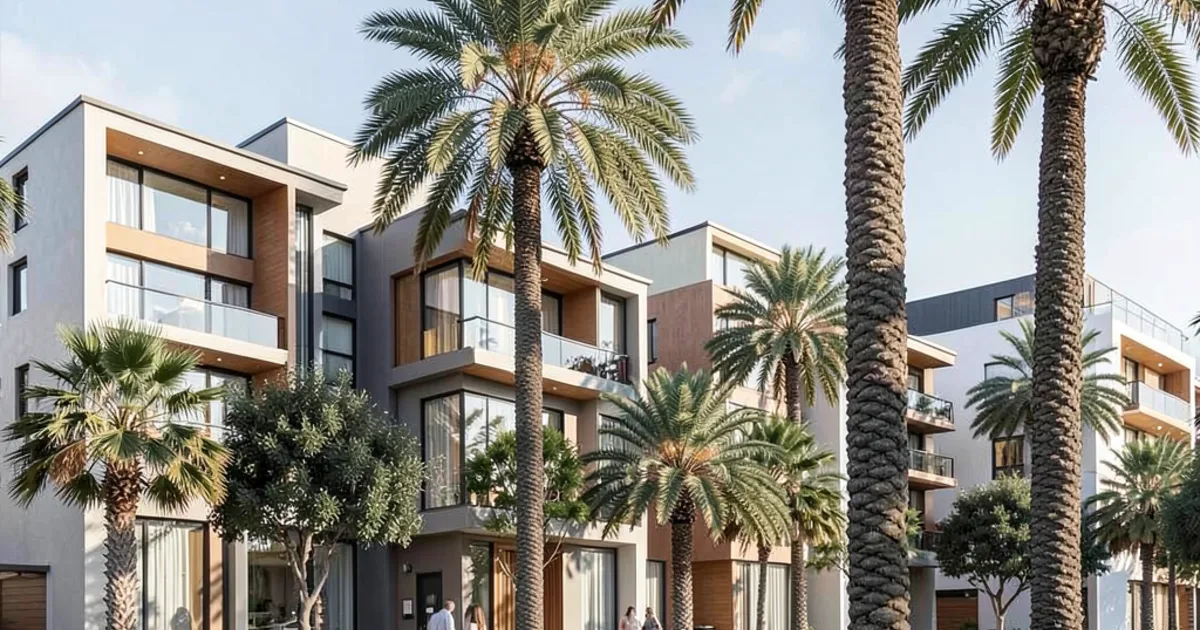
Caesarea represents the pinnacle of Israeli luxury, offering a unique blend of historical prestige and modern Mediterranean elegance. For the discerning investor, the transition from traditional long-term leasing to the boutique short-term rental market offers a compelling avenue for capital appreciation and high-yield returns. This guide explores the nuances of entering the luxury vacation rental sector in this elite enclave, examining everything from property selection to the complexities of the Israeli regulatory environment.
- The Growing Allure of the Caesarea Luxury Brand
- Assessing Asset Classes: Villas, Penthouses, and Plots
- Navigating the Legal Landscape: From Tabu to the Binding Memorandum
- Tax Implications for Short-Term Rental Investors
- The Strategic Importance of Location and Coastal Proximity
- Managing the 'Boutique' Experience: Beyond a Standard Rental
- Infrastructure and Local Services: Arnona and Maintenance
- Financing Your Investment: The Role of Mashkanta
- Overcoming Operational Challenges in the Israeli Market
- Building an Exit Strategy: Resale vs. Yield
The Growing Allure of the Caesarea Luxury Brand
The reputation of Caesarea as Israel's most exclusive address creates a natural barrier to entry that benefits established investors. Unlike more volatile urban markets, the demand for high-end coastal living remains relatively insulated from broader economic fluctuations. This stability is driven by a global cohort of high-net-worth individuals who seek the privacy, security, and aesthetic perfection that only this region provides. When travelers search for luxury vacation rentals in Caesarea, they are not merely looking for a place to sleep, but for an experience that matches their lifestyle.
The scarcity of premium inventory is perhaps the most significant driver of value in the local rental market. Because the municipality maintains strict zoning and development controls, the supply of new luxury villas and waterfront apartments is naturally limited. This scarcity ensures that well-managed, high-quality rental properties can command premium nightly rates that far exceed standard residential leases. Investors who can provide a seamless, high-touch experience are positioning themselves within a highly competitive yet rewarding niche.
Furthermore, the unique lifestyle amenities of the area, ranging from the world-class marina to the ancient archaeological parks, act as permanent catalysts for tourism. These landmarks attract a specific demographic of travelers who prioritize culture, leisure, and exclusivity. By aligning a rental property with these local attractions, owners can maximize occupancy rates throughout the year. The goal for any serious investor is to tap into this consistent flow of high-spending visitors who view Caesarea as a premier destination.
- High demand for privacy and gated community living
- Limited supply of new luxury developments
- Strong international brand recognition of the Caesarea name
- Proximity to historical and maritime cultural assets
Assessing Asset Classes: Villas, Penthouses, and Plots
When entering the Caesarea market, the first strategic decision involves selecting the appropriate asset class. A standalone luxury villa offers the highest potential for 'wow factor' and premium pricing, particularly for large families or groups seeking complete seclusion. These properties often feature private pools, expansive gardens, and high-end architectural details that justify significant nightly premiums. However, the initial capital outlay for a villa is substantially higher, and the operational complexities of managing a large estate are greater.
For investors seeking a more liquid or lower-entry asset, luxury apartments and penthouses in high-end developments offer an excellent alternative. These units often benefit from shared amenities such as communal pools, gyms, and enhanced security services, which can be a major draw for short-term renters. Penthouses, in particular, offer the prestige of a villa with the ease of management associated with a multi-unit building. They are often easier to maintain and can be more efficiently managed via remote concierge services.
A more advanced, higher-risk strategy involves the acquisition of a plot to build. This allows an investor to design a bespoke property specifically tailored to the modern luxury rental market, incorporating the latest in smart-home technology and coastal architecture. While this approach requires navigating complex construction permits and managing a development timeline, the resulting asset can be significantly more valuable than a pre-existing structure. This method requires a deep understanding of local building codes and a patient approach to capital deployment.
- Standalone Villas: High yield, high entry cost, high maintenance
- Luxury Penthouses: Moderate entry, high liquidity, easier management
- Development Plots: Maximum customization, high risk, long-term appreciation
Navigating the Legal Landscape: From Tabu to the Binding Memorandum
Real estate investment in Israel requires a meticulous approach to due diligence, starting with the verification of ownership through the Tabu land registry. The Tabu is the official record of property rights, and any discrepancy in the registry can lead to catastrophic legal disputes. Before committing any capital, an investor must ensure that the property is clearly registered and that there are no unexpected liens or encumbrances. Engaging a local legal expert to perform a thorough search in the Tabu is a non-negotiable step in the acquisition process.
The purchase process is formalized through a binding memorandum, often referred to as a Zichron Deresh. This document is the foundation of the transaction and must be drafted with extreme precision to protect the buyer's interests. It outlines the terms of the sale, the payment schedule, and the conditions under which the deal can be rescinded. In the luxury sector, where transaction values are significant, the memorandum must also address specific nuances such as the condition of the property and the handover of all necessary permits.
Beyond the individual transaction, investors must be aware of local municipal regulations regarding short-term rentals. While the demand for luxury vacation rentals in Caesarea is high, the municipality may have specific rules regarding the frequency of rentals or the requirements for guest registration. It is vital to consult with local authorities to ensure that your intended business model complies with all local bylaws. Failure to do so could result in fines or restrictions that undermine your investment's profitability.
Tax Implications for Short-Term Rental Investors
Understanding the Israeli tax framework is essential for calculating the true Return on Investment (ROI). One of the most significant immediate costs is Mas Rekhisha, or purchase tax. This tax is calculated based on the property value and the buyer's status, and it can represent a substantial portion of the initial acquisition cost. Investors must factor this into their upfront capital requirements to avoid liquidity issues shortly after the purchase is finalized.
When it eventually comes time to sell the asset, the investor will be subject to Mas Shevah, which is the capital gains tax. This tax is applied to the profit made on the sale of the property and can significantly impact the final net return. For short-term rental owners, the way the property is classified, whether as a primary residence or an investment property, can have profound implications for the rate of Mas Shevah applied. Professional tax advice is mandatory to structure the investment in the most tax-efficient manner possible.
Additionally, ongoing operational costs must be accounted for in the annual budget. This includes not only the direct costs of property management but also the municipal tax, known as Arnona. Arnona is based on the size and use of the property and is a recurring expense that must be managed. For a luxury rental, the Arnona may be calculated at a commercial or higher residential rate depending on how the municipality views the short-term rental activity. Accurate forecasting of these taxes is the difference between a profitable venture and a loss-making one.
- Mas Rekhisha: Upfront purchase tax affecting initial capital outlay
- Mas Shevah: Capital gains tax impacting the eventual exit strategy
- Arnona: Recurring municipal tax based on property use and size
The Strategic Importance of Location and Coastal Proximity
In the luxury market, location is not just a preference; it is the primary driver of value. Within Caesarea, micro-locations can vary significantly in terms of demand and prestige. Properties situated within walking distance of the marina or those offering direct views of the Mediterranean Sea will almost always command higher nightly rates. The proximity to the water is a key psychological driver for the luxury traveler, and properties that capitalize on this can maintain higher occupancy levels even during the shoulder seasons.
The influence of the Caesarea Archaeological Park also cannot be overstated. Being located near such a significant cultural landmark adds a layer of prestige and intellectual appeal to a property. This can attract a demographic of travelers who are interested in history and culture, expanding your potential guest base beyond those who are purely seeking beach-side relaxation. A property that offers a view of the ancient ruins or is situated within the historic zone carries a unique 'sense of place' that is impossible to replicate.
Conversely, investors should be wary of properties that, while beautiful, are isolated from the core amenities of the area. While extreme privacy is a luxury, being too far from the high-end restaurants, boutiques, and the marina can be a deterrent for guests who prefer convenience. The ideal investment strikes a balance between secluded luxury and easy access to the premium lifestyle services that Caesarea is known for. Evaluating the 'walkability' or ease of access to these hubs is a critical component of site selection.
Managing the 'Boutique' Experience: Beyond a Standard Rental
To succeed in the luxury vacation rental market, one must move beyond the mindset of a landlord and adopt the mindset of a hospitality provider. High-end guests do not just expect a clean house; they expect a curated experience. This means providing amenities that go far beyond the basics. Think of high-thread-count linens, designer kitchenware, state-of-the-art sound systems, and perhaps even a private chef service. The goal is to create an environment where the guest feels they are staying in a private estate rather than a rented property.
Technology plays a pivotal role in the modern luxury rental. Integrating smart-home systems, such as automated lighting, climate control, and advanced security, can significantly enhance the guest experience and allow for more efficient remote management. For the investor, these systems also provide peace of mind, allowing for real-time monitoring of the property's condition. However, technology must be intuitive; nothing ruins a luxury experience faster than a guest struggling to operate an overly complex smart-home interface.
The final, and perhaps most important, layer is the concierge service. For the true boutique model, providing guests with access to local excursions, private boat charters, or exclusive restaurant reservations can turn a standard stay into an unforgettable one. This level of service justifies the premium price point and encourages repeat bookings and positive word-of-mouth. While this requires more intensive management, the ability to offer a full-service lifestyle package is what separates successful luxury rentals from the mass-market competition.
- Premium Amenities: High-end linens, designer decor, and gourmet kitchenware
- Smart Home Integration: Automated climate, lighting, and security
- Concierge Services: Access to local excursions and exclusive experiences
Infrastructure and Local Services: Arnona and Maintenance
Operating a luxury rental in a coastal environment presents unique physical challenges. The salt air and humidity can be incredibly taxing on building materials, electronics, and outdoor furniture. Regular, high-standard maintenance is not an option; it is a necessity. Investors must budget for frequent inspections and preventative maintenance to ensure that the property remains in 'showroom' condition. A single neglected detail, such as a weathered terrace or a malfunctioning pool heater, can lead to devastating reviews in the luxury segment.
The financial management of these costs must include a thorough understanding of Arnona. As mentioned previously, this municipal tax is a fixed cost that must be factored into the annual cash flow projections. It is important to note that Arnona rates can vary based on whether the property is classified as residential or used for commercial/tourist purposes. Investors should proactively engage with the local municipality to understand their specific classifications and ensure that the property is correctly registered to avoid unexpected tax hikes.
Furthermore, the logistics of managing a property remotely require a robust local infrastructure. This includes reliable cleaning services, specialized maintenance contractors (plumbers, electricians, pool technicians), and a management company that understands the high standards of the Caesarea market. Relying on low-cost, generalist services is a mistake; the luxury market requires specialists who are accustomed to working in high-end environments and who understand the discretion required when working in exclusive communities.
Financing Your Investment: The Role of Mashkanta
For many investors, leveraging debt is a key component of their acquisition strategy. In Israel, this is typically achieved through a Mashkanta, or mortgage. However, securing financing for an investment property, especially if the investor is a non-resident, can be more complex than a standard residential mortgage. The terms, interest rates, and required down payments can vary significantly based on the investor's residency status and the specific nature of the property. It is essential to consult with a mortgage broker who specializes in the Israeli market to understand the available options.
When calculating the impact of a Mashkanta on your rental yield, you must consider the total cost of borrowing. This includes not only the interest rate but also any associated bank fees and insurance requirements. Because luxury properties in Caesarea involve high capital amounts, even small fluctuations in interest rates can have a meaningful impact on your monthly cash flow. A conservative approach to debt-to-equity ratios is recommended to ensure that the property remains cash-flow positive even during periods of lower occupancy.
Investors should also consider the potential for refinancing in the future. As the property appreciates and the initial mortgage is paid down, there may be opportunities to restructure the debt to free up capital for further investments. However, this should always be weighed against the current interest rate environment and the long-term goals of the investment portfolio. A well-structured Mashkanta is a powerful tool for growth, but it requires careful, long-term planning and a clear understanding of the financial landscape.
Overcoming Operational Challenges in the Israeli Market
One of the most significant hurdles for foreign investors is the cultural and linguistic barrier. While the luxury market is international, the day-to-day operations of a property, dealing with the municipality, local contractors, or even the Tabu, often require a command of Hebrew. For those who do not speak the language, this can make even simple tasks feel overwhelming. This is where the concept of 'Ulpan', the study of Hebrew, becomes relevant, not necessarily for the investor to become fluent, but for understanding the cultural and linguistic nuances that drive local business.
Guest management also presents unique challenges, particularly regarding security and vetting. In a high-end community like Caesarea, the security of the neighborhood is a primary concern for both the residents and the guests. Implementing a rigorous guest vetting process and utilizing professional management companies can mitigate the risk of disruptive guests. It is important to establish clear house rules and expectations from the outset to ensure that the property is respected and that the peace of the community is maintained.
Finally, the seasonality of the Israeli market must be managed with precision. While Caesarea has significant appeal, there are periods throughout the year when demand may dip. A successful investor does not rely solely on the peak summer months but develops a strategy to attract guests during the shoulder and off-seasons. This might involve targeting different demographics, such as corporate retreats or long-term luxury stays, to ensure a more consistent and predictable revenue stream throughout the entire year.
Building an Exit Strategy: Resale vs. Yield
Every real estate investment should be viewed through the lens of an exit strategy. In the Caesarea luxury market, investors generally follow one of two paths: maximizing long-term capital appreciation or maximizing immediate rental yield. Those focused on appreciation may be willing to accept lower initial yields in exchange for owning an asset in a high-growth, high-prestige area. These investors often look for properties with significant 'value-add' potential, such as plots or older villas that can be renovated.
On the other hand, investors focused on yield will prioritize properties that are already optimized for the short-term rental market. These assets might have lower appreciation potential compared to development plots, but they provide a more immediate and predictable cash flow. The decision between these two paths depends heavily on the investor's overall portfolio goals and their tolerance for risk. It is important to recognize that these two strategies often require different types of property and different management styles.
When the time comes to exit, the liquidity of the luxury segment should be considered. While high-end properties do not sell as quickly as standard apartments, the pool of buyers for Caesarea real estate is global and highly motivated. Having a well-maintained property with a documented history of strong rental performance can significantly enhance the resale value. By treating the property as a business rather than just an asset, investors can position themselves for a highly successful exit when the market conditions are optimal.
- Appreciation Strategy: Focus on high-growth areas and value-add potential
- Yield Strategy: Focus on immediate cash flow and optimized rental performance
- Key Exit Factor: Documentation of rental history and property maintenance
FAQ
Is it legal to run an Airbnb in Caesarea?
Short-term rentals are generally permitted, but they are subject to local municipal regulations and zoning laws. It is essential to check with the Caesarea municipality to ensure your specific property and rental model comply with all local bylaws and registration requirements.
What are the main taxes I should expect when buying?
The most significant upfront cost is Mas Rekhisha (purchase tax), which is calculated based on the property value. You should also account for legal fees and any other transaction-related costs involved in the transfer of ownership through the Tabu registry.
Get your personalised shortlist
Listings and up-to-date info, straight to your inbox, free, no obligation.
See Caesarea villas →