What are the common mistakes first-time foreign buyers make when purchasing a high-value property in Caesarea?
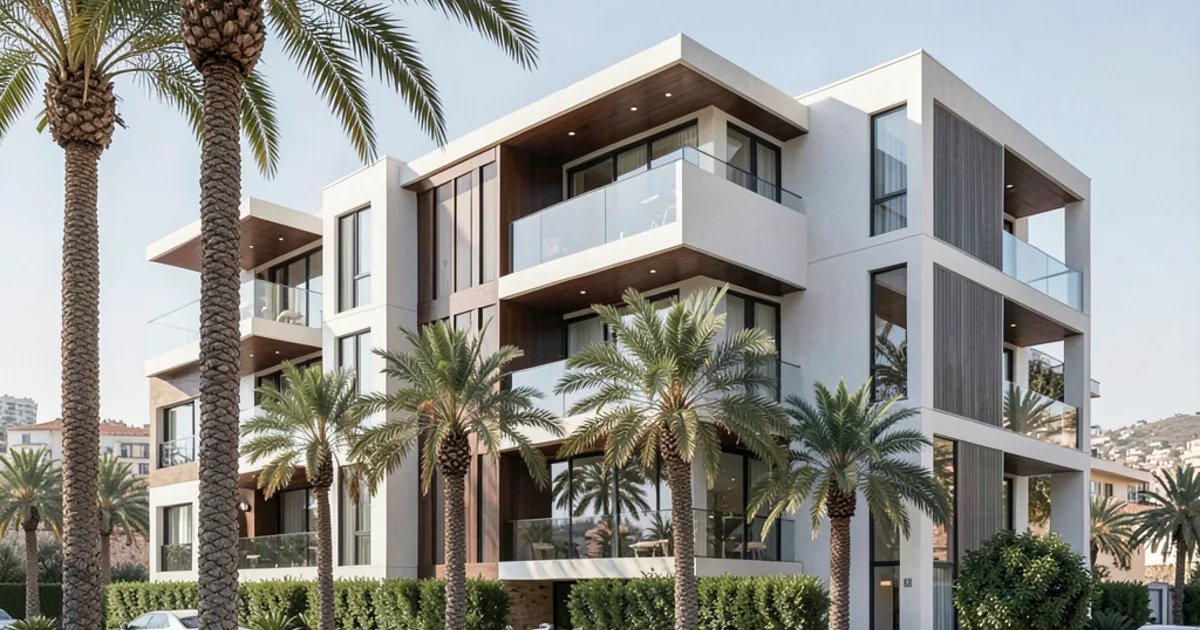
Caesarea, with its stunning Mediterranean coastline, ancient history, and exclusive lifestyle, represents the pinnacle of luxury living in Israel. For discerning foreign buyers, acquiring a high-value property here is not merely a transaction but an investment in a dream. However, the path to ownership, especially for those unfamiliar with the local landscape, is fraught with potential missteps. This comprehensive guide from CaesareaRealEstate aims to illuminate the common errors first-time foreign buyers make, offering actionable insights to ensure a smooth and successful acquisition of your bespoke Caesarea residence.
- Underestimating the Complexity of Israeli Property Law and Due Diligence
- Ignoring the Nuances of Israeli Taxation for Non-Residents
- Misjudging the Local Market Dynamics and Property Valuation
- Overlooking the Importance of a Binding Memorandum of Understanding (Zichron Devarim)
- Failing to Plan for Property Management and Maintenance from Abroad
- Underestimating Cultural and Language Barriers in Negotiations
- Neglecting to Secure Appropriate Financing (Mashkanta) Early On
- Ignoring the Importance of Professional Property Surveys and Inspections
- Failing to Understand Local Community Rules and Regulations
- Ignoring Long-Term Residency and Integration Considerations
Underestimating the Complexity of Israeli Property Law and Due Diligence
One of the most significant pitfalls for foreign buyers is the assumption that Israeli property law operates similarly to their home country's jurisdiction. The legal framework governing real estate in Israel is distinct, intricate, and requires specialized expertise. Failing to engage a highly qualified, independent Israeli real estate attorney early in the process can lead to overlooked title defects, unauthorized building permits, or unresolved liens that could jeopardize the entire investment.
A thorough due diligence process goes far beyond merely reviewing the property's aesthetics. It involves meticulous examination of the 'Tabu' (Land Registry) records to confirm ownership, verify easements, and check for any encumbrances. Furthermore, it's crucial to investigate municipal building permits, ensure all structures comply with local zoning laws, and address potential planning disputes. Neglecting these deep dives can result in significant financial liabilities or even the inability to develop or resell the property in the future.
Foreign buyers often err by relying solely on the seller's representatives or by attempting to navigate these legal complexities with limited Hebrew proficiency. This can lead to misunderstandings of critical contractual clauses, property boundaries, or local regulations. Engaging an attorney who is not only fluent in English but also deeply experienced in foreign property acquisitions in Israel, particularly in high-value markets like Caesarea, is an absolute necessity to safeguard your interests.
Ignoring the Nuances of Israeli Taxation for Non-Residents
The Israeli tax system, particularly concerning real estate, can be a labyrinth for first-time foreign buyers. Many underestimate the significant tax implications, leading to unexpected costs and potential compliance issues. A primary concern is 'Mas Rekhisha' (Purchase Tax), which is levied on property acquisitions and can vary substantially based on the buyer's residency status, property value, and whether it's their sole property in Israel. Foreign buyers often face higher rates than Israeli residents, making it crucial to account for this substantial expense from the outset.
Beyond purchase tax, future considerations like 'Mas Shevah' (Capital Gains Tax) on potential resale and 'Arnona' (Municipal Property Tax) are often overlooked. Capital Gains Tax can be complex, with various exemptions and calculations depending on the holding period, improvements made, and the seller's status. Understanding these future tax liabilities is vital for a realistic assessment of the investment's long-term profitability. Arnona, while typically a recurring operational cost, needs to be factored into the annual budget, especially for larger, high-value properties.
Another common mistake is failing to seek professional tax advice specific to their individual circumstances and home country's tax treaties with Israel. This can result in double taxation or missed opportunities for legitimate tax planning. An Israeli tax advisor specializing in international real estate transactions can help structure the purchase to minimize tax burdens legally, ensuring compliance with both Israeli and international tax laws. Their expertise is indispensable in navigating the intricacies of tax declarations and payments.
Misjudging the Local Market Dynamics and Property Valuation
Caesarea's luxury real estate market operates on its own unique rhythm, distinct from broader Israeli trends or international luxury markets. Foreign buyers sometimes make the mistake of applying valuation methodologies or market expectations from their home countries, which may not align with local realities. This can lead to overpaying for a property or missing out on suitable opportunities due to unrealistic price expectations. Factors like specific neighborhood prestige within Caesarea, proximity to the golf course or the beach, and the quality of finishes significantly impact value.
The demand for high-value properties in Caesarea is often driven by a specific demographic, including affluent Israelis and Diaspora Jews seeking a premium lifestyle. Understanding these demand drivers, current inventory levels, and recent comparable sales is critical for an accurate valuation. Relying solely on advertised prices without independent appraisal or expert market analysis is a common error. Property values in Caesarea are influenced by unique attributes like architectural style, plot size, and the extent of landscaping, which require nuanced interpretation.
Engaging a reputable local real estate agent with extensive experience in Caesarea's luxury segment is paramount. They possess an intimate understanding of micro-market trends, unlisted properties, and the true value of unique features. An experienced agent can provide invaluable insights into fair market value, negotiate effectively on your behalf, and steer you away from overpriced or problematic assets. Their local connections and deep knowledge are an asset that cannot be overstated in this exclusive market.
Overlooking the Importance of a Binding Memorandum of Understanding (Zichron Devarim)
In Israel, particularly in fast-paced markets, it's common for parties to sign a 'Zichron Devarim' (Memorandum of Understanding or MOU) as a preliminary, binding agreement before the full contract is drafted. Foreign buyers, accustomed to non-binding offers, often underestimate the legal weight of this document. A Zichron Devarim, even if brief, can be legally enforceable and commit both parties to the sale, often with significant financial penalties for withdrawal. Signing one without full legal review is a major risk.
The danger lies in the potential for a Zichron Devarim to omit crucial clauses or conditions that would typically be present in a comprehensive purchase agreement. For instance, it might not explicitly detail the payment schedule, conditions for obtaining permits, or specific representations and warranties from the seller. If these are not carefully stipulated, buyers can find themselves bound to an agreement that doesn't adequately protect their interests, making subsequent negotiations for the full contract much harder.
It is absolutely essential to have a qualified Israeli real estate attorney review any Zichron Devarim before signing, even if it's presented as a mere formality. Your attorney can advise on its binding nature, suggest necessary amendments, or recommend against signing it altogether until a more comprehensive draft contract is ready. Rushing into a preliminary agreement without legal counsel is a frequent and costly mistake for foreign buyers.
Failing to Plan for Property Management and Maintenance from Abroad
For foreign buyers who do not intend to reside in Caesarea full-time, neglecting to plan for ongoing property management and maintenance is a common oversight. High-value properties, especially villas with extensive gardens, pools, and advanced systems, require continuous care. Without a robust management plan, these assets can quickly fall into disrepair, diminishing their value and enjoyment. Simply assuming a local contact will handle everything informally is often insufficient.
The challenges include coordinating various service providers, gardeners, pool technicians, security personnel, and cleaners, as well as handling routine repairs and emergency situations. Language barriers, time differences, and a lack of local contacts can exacerbate these difficulties. Furthermore, ensuring that all municipal taxes ('Arnona'), utility bills, and insurance premiums are paid on time requires diligent oversight, as lapses can lead to penalties or service interruptions.
It is highly advisable to engage a professional property management company specializing in luxury homes in Caesarea. These firms offer comprehensive services, from routine maintenance and bill payments to security monitoring and tenant liaison if the property is rented out. Their expertise ensures the property remains in pristine condition, protecting your investment and providing peace of mind from afar. Interviewing several reputable companies and clearly defining their scope of work is a crucial step.
Underestimating Cultural and Language Barriers in Negotiations
Negotiating a high-value property purchase in a foreign country inherently involves navigating cultural and linguistic differences. Foreign buyers often underestimate the impact these barriers can have on the transaction process. Direct communication styles, negotiation tactics, and even the pace of business can differ significantly from what buyers are accustomed to, potentially leading to misunderstandings, frustration, or unfavorable outcomes. A perceived lack of urgency or an overly aggressive approach can alienate sellers.
While many Israelis, especially in professional circles, speak English, critical legal and financial discussions are often conducted in Hebrew. Relying solely on ad-hoc translation or assuming complete understanding can lead to significant errors in interpretation of binding documents or verbal agreements. Nuances in language can carry substantial legal weight, and misinterpretations can have lasting consequences on the terms of the purchase.
To mitigate these challenges, it is essential to have a trusted local team, including a real estate agent and attorney, who are fully bilingual and culturally adept. They can serve as invaluable intermediaries, translating not just words but also cultural contexts and negotiation strategies. Such professionals can bridge communication gaps, ensure all parties are on the same page, and advocate effectively on your behalf, preventing misunderstandings that could derail the deal.
Neglecting to Secure Appropriate Financing (Mashkanta) Early On
Many foreign buyers, especially those with substantial assets, mistakenly assume that securing financing in Israel for a high-value property will be straightforward or that they can rely entirely on their home country's banks. While Israeli banks do offer 'Mashkanta' (mortgages) to non-residents, the process is distinct, often more complex, and requires specific documentation. Failing to explore financing options early can lead to delays or even the inability to meet payment deadlines outlined in the purchase agreement.
Israeli banks typically have stricter lending criteria for non-residents, often requiring a higher down payment compared to resident buyers. The types of documents required, such as proof of income, credit history, and asset verification, may differ significantly from what buyers are used to providing. Furthermore, interest rates and terms for non-resident mortgages can vary, making it crucial to shop around and understand the full cost implications. Exchange rate fluctuations can also impact the effective cost of a mortgage denominated in a foreign currency.
It is highly recommended to engage with an Israeli mortgage broker specializing in foreign buyers well in advance of identifying a specific property. They can pre-qualify you, explain the various 'Mashkanta' options, assist with compiling the necessary documentation, and navigate the application process with local banks. Having pre-approval or a clear understanding of your financing capacity strengthens your negotiating position and prevents last-minute financial surprises.
Ignoring the Importance of Professional Property Surveys and Inspections
While the term 'Caveat Emptor' (buyer beware) generally applies, foreign buyers often overlook the critical importance of conducting independent property surveys and inspections. In the excitement of finding a dream property, structural issues, hidden defects, or non-compliant installations can be easily missed. Assuming that a high-value property is inherently flawless without professional verification is a risky gamble that can lead to significant repair costs post-purchase.
A comprehensive property inspection by a qualified Israeli building engineer ('Mehandes Binyan') can uncover a range of issues, from foundational problems, water damage, and electrical faults to plumbing deficiencies or roofing integrity concerns. For older properties or those that have undergone extensive renovations, a thorough inspection is even more critical. These reports provide an objective assessment of the property's condition and can be used as leverage in price negotiations or to stipulate necessary repairs by the seller.
Similarly, for plots of land intended for building a custom villa, a topographical survey and soil test are indispensable. These surveys reveal crucial information about the land's suitability for construction, potential drainage issues, and the need for specialized foundations. Neglecting these steps can lead to unexpected construction costs, delays, or even limitations on the type of structure that can be built, ultimately impacting the vision for your Caesarea home.
Failing to Understand Local Community Rules and Regulations
Caesarea is not just a collection of luxury homes; it's a meticulously planned and managed community with specific rules and regulations that contribute to its exclusive character. Foreign buyers sometimes overlook the importance of understanding these local community guidelines, which can impact everything from architectural styles and landscaping to noise restrictions and property usage. Assuming that personal preferences will always prevail can lead to conflict or limitations on property enjoyment.
The Caesarea Development Corporation (CDC) plays a significant role in maintaining the high standards of the community, often having specific guidelines for new construction, renovations, and even the appearance of properties. For buyers acquiring a plot to build, understanding these architectural and design covenants is paramount. Ignoring these rules can result in delays in obtaining permits, costly redesigns, or even disputes with the CDC or neighbors.
It is essential to obtain and thoroughly review all relevant community bylaws, homeowner association rules (if applicable), and CDC guidelines before committing to a purchase. Your real estate agent and attorney can assist in obtaining these documents and explaining their implications. Being aware of these regulations ensures that your vision for your Caesarea property aligns with the community's standards, promoting a harmonious living experience and protecting your investment's long-term value.
Ignoring Long-Term Residency and Integration Considerations
While the focus is often on the property acquisition itself, foreign buyers sometimes overlook the broader implications of living in or owning property in Israel, especially concerning long-term residency and integration. Understanding visa requirements, potential pathways to residency (such as Aliyah), and the practicalities of living in Israel are crucial for those planning extended stays. This includes everything from healthcare access to banking and education for families.
For those considering Aliyah (immigration to Israel), the property purchase can be intertwined with the immigration process, potentially offering certain tax benefits or requiring specific documentation. However, navigating the Aliyah process itself is a complex undertaking, and it's a mistake to conflate property ownership with automatic residency. For those not planning Aliyah, understanding the limitations and procedures for extended stays as a non-resident is equally important.
Furthermore, practical integration aspects like opening bank accounts, understanding the local administrative processes, and even learning basic Hebrew (perhaps through an 'Ulpan' program) are often underestimated. While not directly transactional, these considerations significantly impact the overall experience of owning a high-value property in Caesarea. Engaging with an immigration lawyer or Aliyah consultant alongside your real estate team can provide a holistic perspective on the journey to making Caesarea your second home, or even your primary residence.
FAQ
Is a Zichron Devarim always binding in Israel, even for foreign buyers?
Yes, a Zichron Devarim (Memorandum of Understanding) can be legally binding in Israel, even for foreign buyers, if it contains the essential terms of the agreement. It is crucial to have an Israeli attorney review it thoroughly before signing to understand its full implications and ensure your interests are protected.
What is 'Mas Rekhisha' and how does it affect foreign buyers in Caesarea?
'Mas Rekhisha' is Israel's Purchase Tax, levied on property acquisitions. Foreign buyers typically face higher rates than Israeli residents, especially if the property is not their sole residence. The specific percentage depends on the property's value and the buyer's residency status, making it a significant cost to factor into your budget.
Do I need to learn Hebrew to successfully buy property in Caesarea?
While many professionals in Caesarea speak English, critical legal documents and some local interactions will be in Hebrew. Having a bilingual real estate agent and attorney is essential for navigating the process, but learning some basic Hebrew can significantly enhance your overall experience and integration into the community.
What is a 'Mashkanta' and how can a foreign buyer obtain one in Israel?
A 'Mashkanta' is an Israeli mortgage. Foreign buyers can obtain one, but the process is often more complex, requiring higher down payments and specific documentation compared to residents. Engaging an Israeli mortgage broker specializing in non-resident financing is highly recommended to navigate this process effectively.
Should I get a property inspection for a new high-value villa in Caesarea?
Absolutely. Even for new high-value villas, a professional property inspection by a qualified Israeli building engineer is highly recommended. It can uncover potential defects, ensure compliance with building codes, and provide objective information to support negotiations or ensure necessary repairs are made before closing.
Get your personalised shortlist
Listings and up-to-date info, straight to your inbox, free, no obligation.
See Caesarea villas →